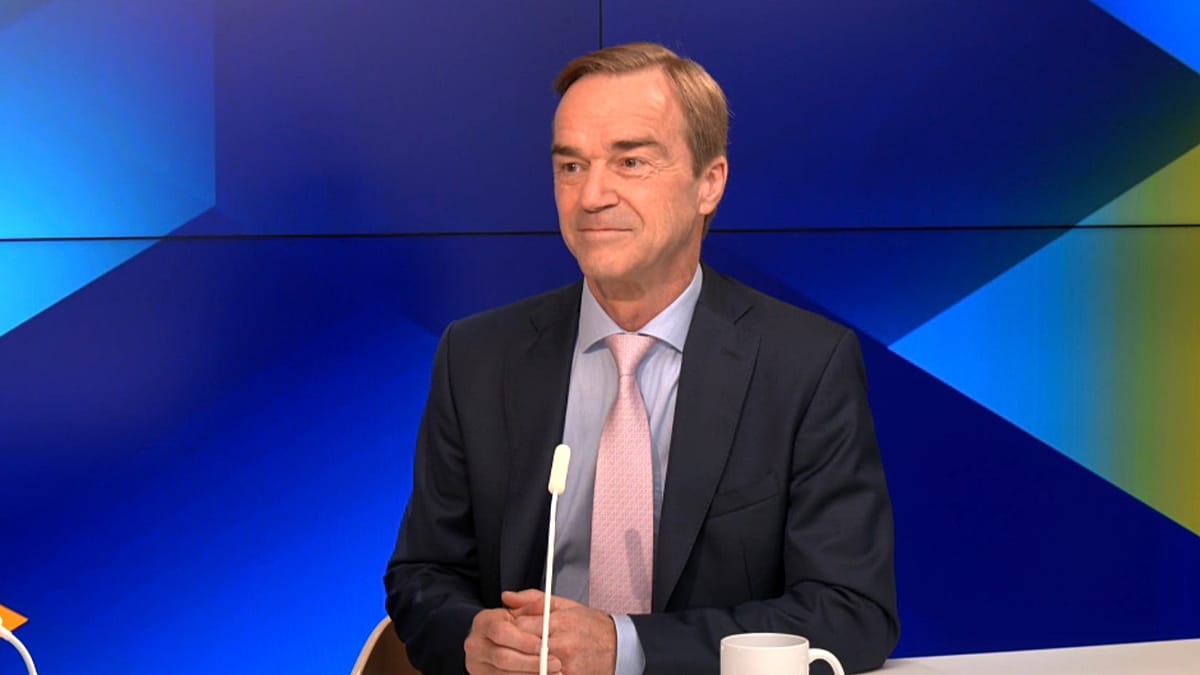
The euro area is navigating a precarious economic landscape as recession risks intensify, according to Rolf R. Strauch, chief economist at the European Stability Mechanism (ESM). In a recent interview, Strauch underscored that governments across the currency union must prioritise growth-enhancing policies to stave off a downturn, even as global instability strains public finances.
Strauch noted that the current environment—marked by geopolitical tensions, supply chain disruptions, and volatile energy markets—places "high demands" on member states. Many governments, however, face limited fiscal space after years of pandemic-related spending and rising debt levels. "They have to create growth," he said, emphasising that structural reforms and targeted investments are essential to bolster resilience.
Fiscal Constraints and Policy Challenges
The warning comes as the European Commission revises its growth forecasts downward for several euro area economies. Germany, the bloc's largest economy, narrowly avoided a technical recession in early 2026, while France and Italy grapple with sluggish industrial output and high public debt. The ESM, which provides financial stability support to euro countries, has urged capitals to avoid premature austerity that could deepen the slowdown.
Strauch's remarks align with broader concerns about the euro area's ability to absorb external shocks. The European Central Bank's tightening cycle, aimed at curbing inflation, has further squeezed borrowing costs for households and businesses. In countries like Spain and Portugal, where tourism-driven recoveries have been robust, rising interest rates are cooling housing markets and consumer spending.
Meanwhile, the EU's fiscal rules—recently reformed to allow more flexibility—still require member states to gradually reduce debt-to-GDP ratios. This creates a delicate balancing act: stimulating growth without triggering market scepticism about sovereign solvency. The ESM itself stands ready to assist if needed, but its resources are not unlimited.
Beyond the euro area, the wider European economy faces headwinds. The United Kingdom, outside the EU, is contending with persistent inflation and labour shortages, while Switzerland and Norway benefit from strong currencies but export sensitivity. In the Balkans, countries like Bosnia and Herzegovina are pursuing EU accession amid punishing reform struggles that risk backfiring if not handled carefully.
Geopolitical factors compound the economic uncertainty. The ongoing war in Ukraine continues to disrupt energy supplies and trade routes, while tensions between the EU and China over trade imbalances have led to unrealistic deadlines for a deal, according to the EU's trade chief. Additionally, NATO's internal strains, highlighted by Donald Trump's mockery of Italian Prime Minister Giorgia Meloni, underscore the fragility of transatlantic alliances that underpin European security and economic confidence.
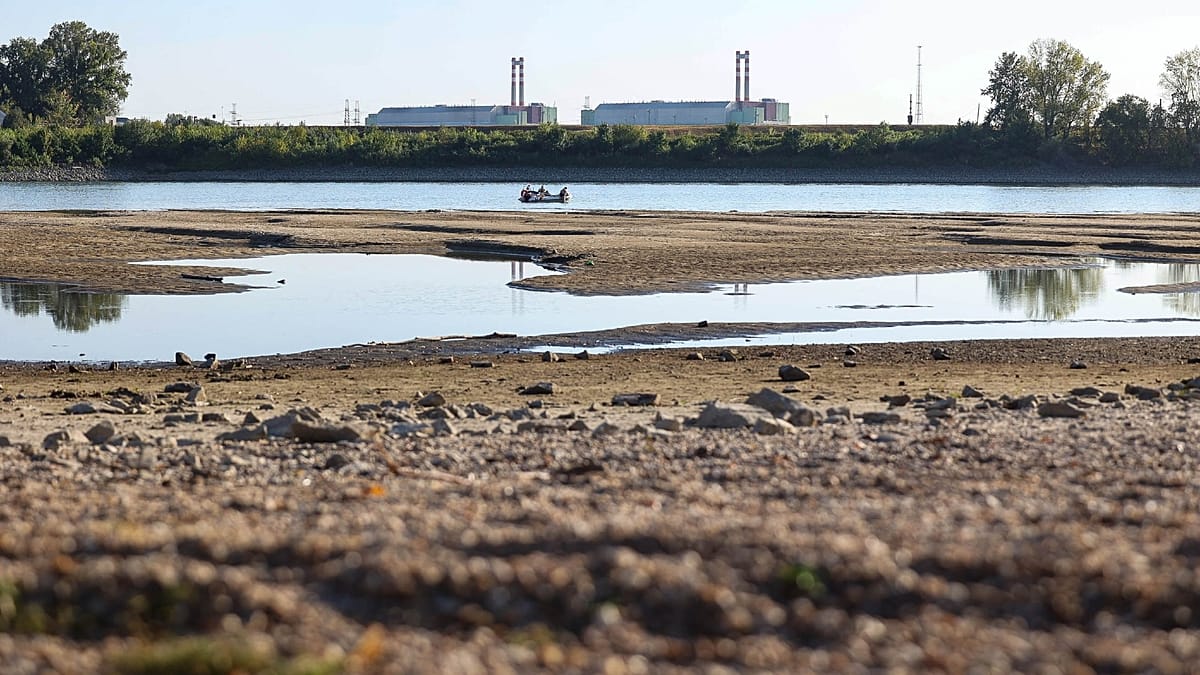
Environmental pressures also loom large. The Alpine water tower, a critical resource for much of Europe, is under threat from climate change, with EU projects modelling future headwater catchments to mitigate risks. Such long-term challenges require sustained investment, further straining budgets.
Strauch's call for growth-oriented policies resonates across the continent. He advocates for investments in digitalisation, green energy, and workforce training—areas where the EU has set ambitious targets but implementation lags. "The fiscal space is limited, but the cost of inaction is higher," he warned.
As the euro area braces for potential turbulence, the ESM's role as a crisis manager may become more prominent. Yet Strauch's message is clear: prevention is better than cure. Governments must act now to foster sustainable growth, or risk a recession that could erode public trust and deepen regional disparities.