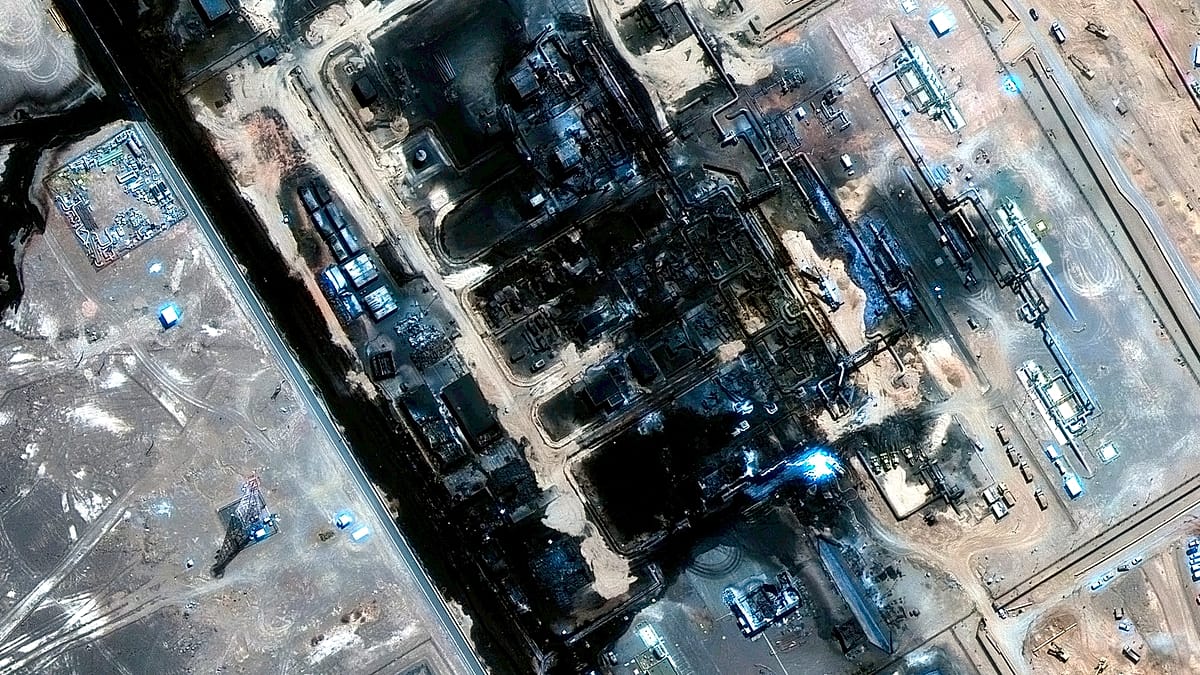
Saudi Arabia is drawing on stored crude to keep exports flowing after a drone strike forced the shutdown of its East-West pipeline, a key artery for shipments to Europe and Asia. The attack, which hit the pipeline in the Riyadh and Medina regions last Thursday, was announced by the kingdom's energy ministry on Friday as a precautionary measure. Emergency and technical teams are securing the line and assessing safety, but no restart date has been given.
Saudi and Iraqi authorities have blamed the drone attack on militants operating from Iraqi territory. The ministry's statement did not detail the extent of the damage or when pumping might resume. Traders and buyers quoted in reports on Sunday estimated that a prolonged closure could put roughly 4 million barrels per day at risk—about 4% of global supply. They also suggested that oil stored at the Red Sea port of Yanbu could sustain exports for five to seven days, though Saudi officials have not confirmed these figures.
Strategic pipeline under strain
The approximately 1,200-kilometre pipeline runs from eastern Saudi Arabia to Yanbu on the west coast, allowing crude to reach the Red Sea without transiting the Strait of Hormuz. Aramco said in May that it had boosted pumping through the line to its maximum capacity of 7 million barrels per day during the first quarter, helping to maintain exports while Hormuz shipping faced disruptions. However, the pipeline also feeds refineries on the kingdom's west coast, so its full capacity is not equivalent to export volumes.
The shutdown does not mean global supplies immediately drop by 7 million barrels a day. Tankers can still load from storage near export terminals, but those inventories will deplete unless fresh crude arrives. The impact on deliveries to Europe and Asia hinges on how quickly pumping resumes and how much stored oil is available.
Routes to Europe and Asia
From Yanbu, tankers bound for Europe can sail north through the Red Sea toward the Suez Canal and the Mediterranean, or use Egypt's SUMED pipeline, which connects the Red Sea and Mediterranean coasts. The direct route to Asia runs south through the Bab el-Mandeb strait, a narrow passage between the Red Sea and the Gulf of Aden, and then into the Indian Ocean.
That southern route faces a separate threat from Yemen's Houthi rebels, who have seized Perim Island and parts of the Yemeni Red Sea coast, effectively controlling the strait. Tankers heading to Asia could instead sail north through Suez and then around Africa, but that would add significant time and cost. Rerouting vessels does not solve the fundamental problem of getting oil to Yanbu in the first place.
The International Energy Agency reported in its September oil market outlook that global stored oil supplies had fallen by 507 million barrels since February, including 95 million barrels in August alone. This drawdown leaves little buffer against further disruptions.
Brent crude futures rose about 3% in early trading on Monday following additional attacks on energy facilities and shipping in the Middle East. The combination of the pipeline closure, Hormuz tensions, and Houthi activity in the Red Sea has heightened concerns about supply security for European and Asian buyers alike.
For European consumers, the stakes are high. The continent relies heavily on imported oil, and any sustained disruption could push prices higher, feeding inflation and straining household budgets. The recent surge in oil prices underscores the fragility of global supply chains.
While Saudi Arabia has not confirmed the extent of the damage, the uncertainty alone is enough to unsettle markets. As the kingdom leans on its strategic reserves, the clock is ticking for a resolution. The longer the pipeline remains offline, the more acute the impact on deliveries to Europe and Asia will become.