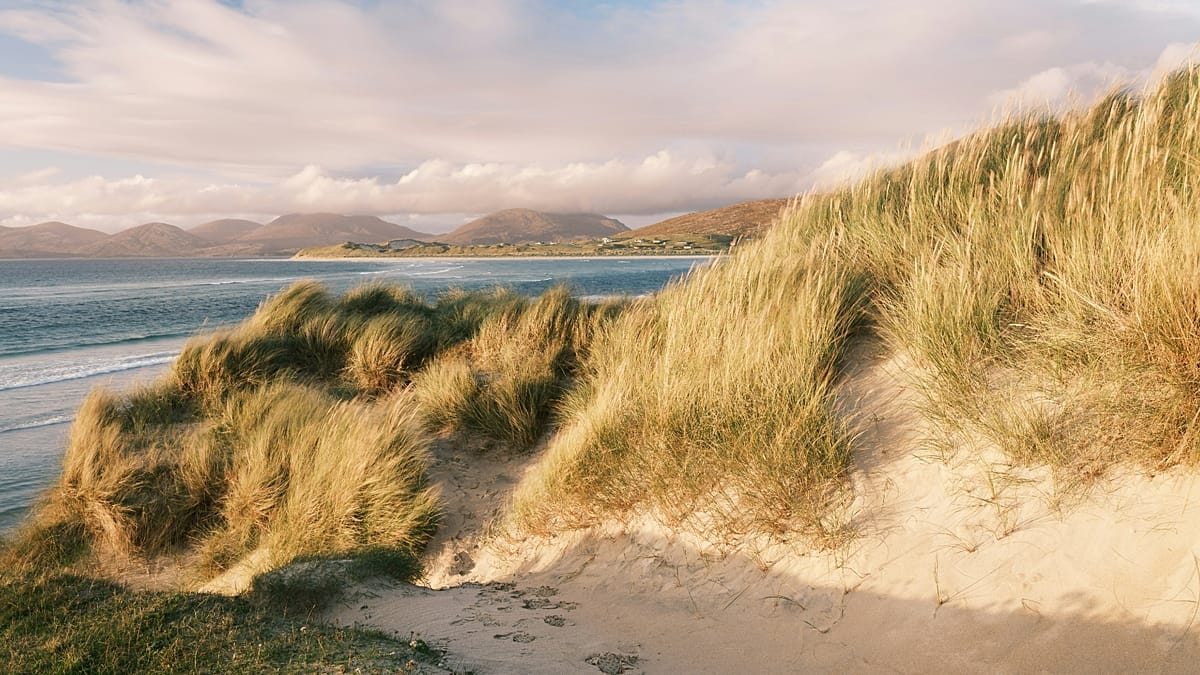
Ulva, a remote island in Scotland's Inner Hebrides, has become an unexpected victim of its own success. After being featured in the BBC property programme Banjo and Ro's Grand Island Hotel, the island—home to just 16 people—has seen an overwhelming influx of holidaymakers that its infrastructure was never designed to handle.
The only public access to Ulva is a five-minute foot passenger ferry from the Isle of Mull. That service will now be suspended on Sundays during the peak summer months of June, July, and August, effectively closing the island to day-trippers one day a week. The ferry operator, which also runs the island's Boathouse restaurant, described the decision as difficult but necessary.
“None of us could have predicted how significant the increase in the numbers of visitors would be,” the operator wrote on social media. “To give ourselves, the Boathouse and fellow islanders the chance to recharge and prepare for the week ahead, we have made the difficult decision not to open Sundays this summer.”
Holidaymakers with pre-booked stays on Ulva who plan to travel on a Sunday will still be assisted across, the company added.
A Community Under Pressure
Ulva has long captured the imagination as an idyllic, off-grid escape. With no paved roads and abundant wildlife—seals, otters, and dolphins frequent its waters—the island offers a rare taste of isolation. But that very appeal has now become a burden. The surge in visitors has strained the local workforce, particularly at the Boathouse restaurant, and placed pressure on the ferry service, which was not built for high-season crowds.
The island has been community-owned since 2018, when the North West Mull Community Woodland Company purchased it. At the time, Ulva had only six residents. The company's goal was to foster long-term social and economic development and boost the population, which has since grown to 16. Yet the sudden tourism spike has tested the limits of that growth.
“Unprecedented interest” from holidaymakers followed the BBC broadcast, according to the ferry operators, who admitted the scale of the response caught them off guard. The decision to close on Sundays is a pragmatic response to protect the community's well-being, rather than a rejection of tourism itself.
For context, similar pressures have emerged across Europe as overtourism strains small communities. In Spain's Balearic Islands, for instance, local authorities have introduced caps on visitor numbers, while in Portugal's Algarve, seasonal restrictions on short-term rentals have been debated. Ulva's solution—a weekly closure—is a quieter but equally telling sign of the challenges faced by fragile, remote destinations.
The island's experience also echoes broader trends in European travel, where social media and television exposure can suddenly transform obscure locations into hotspots. Unlike the off-grid Scottish island with a cabin that recently hit auction at €405,000, Ulva is not for sale; it is a living community trying to balance openness with sustainability.
As Europe's heatwave drives solar surges and grid strain, and as tourism patterns shift post-pandemic, the story of Ulva serves as a microcosm of a continent grappling with the consequences of its own popularity. For now, the island's residents will enjoy their Sundays in peace—a small but significant act of self-preservation.