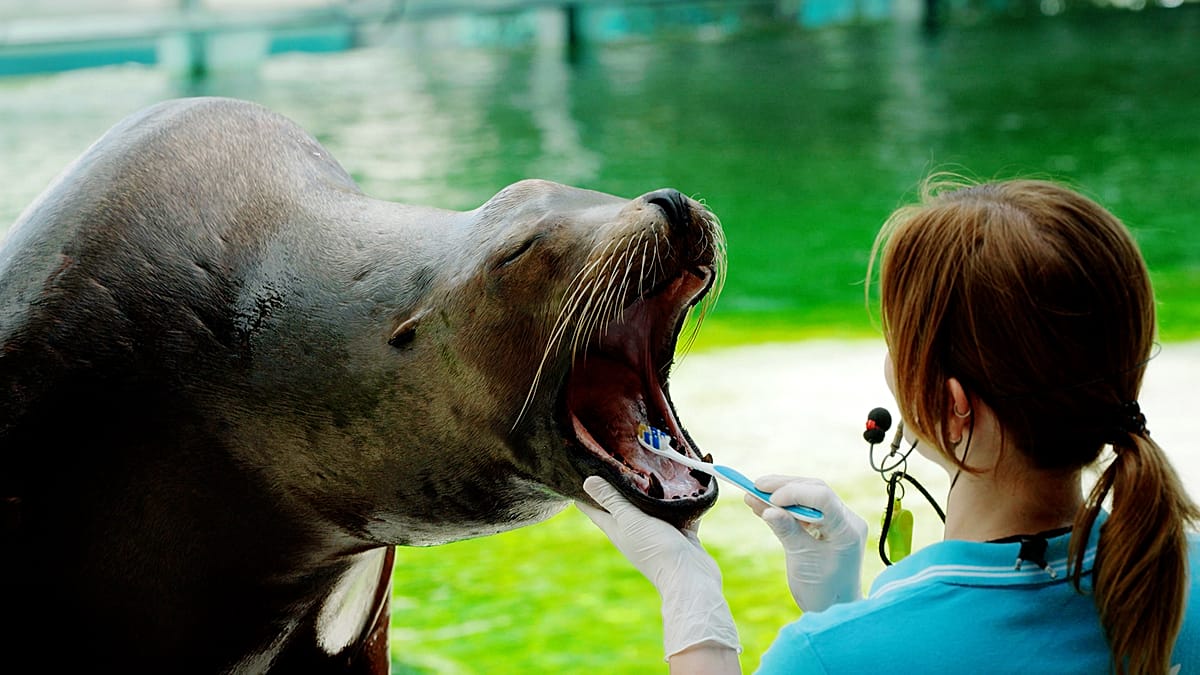
At Nyíregyháza Zoo in northeastern Hungary, a seal has become an unlikely star by demonstrating a daily tooth-brushing routine. The animal, housed in the Arctic Ice World exhibit, participates in this activity as part of the zoo's enrichment programme, which aims to stimulate natural behaviours and maintain physical health.
Enrichment in Practice
Zookeepers at Nyíregyháza have trained the seal to open its mouth and allow staff to brush its teeth using a specialised toothpaste. The process is not merely a spectacle but a carefully designed enrichment exercise. Such activities are common in modern zoos across Europe, where they help reduce stress, encourage problem-solving, and strengthen the bond between animals and their caretakers.
The Arctic Ice World exhibit, which opened in 2019, recreates the cold habitats of polar species. It features a large pool, ice formations, and climate control to mimic Arctic conditions. The seal's tooth-brushing is one of several interactive sessions that also include feeding demonstrations and health checks.
Hungary's zoos have increasingly adopted enrichment practices in recent years, aligning with EU animal welfare standards. The country's network of zoos, including those in Budapest, Debrecen, and Szeged, regularly collaborate with international organisations to improve captive animal care.
This focus on enrichment comes amid broader discussions about the role of zoos in conservation and education. While some critics argue that captivity inherently limits animal welfare, proponents point to successful breeding programmes and public awareness campaigns. Nyíregyháza Zoo, for instance, participates in the European Endangered Species Programme (EEP) for several species, including the Arctic fox and reindeer.
The seal's tooth-brushing has drawn attention on social media, with visitors sharing videos of the routine. The zoo has not disclosed the seal's name but confirmed it is a harbour seal (Phoca vitulina), a species commonly found in northern European waters. Harbour seals are not currently endangered, but their populations face threats from climate change and habitat loss.
For context, Hungary's environmental challenges extend beyond zoo management. The country has experienced severe drought conditions, as seen with Lake Velence shrinking to near-record lows, a situation that underscores the broader impact of climate change on local ecosystems.
Meanwhile, the zoo's enrichment efforts reflect a growing trend across European institutions. From the Arctic to the Antarctic, similar programmes are being implemented to enhance animal welfare. For example, British theatre maker Tom Bailey crossed the Arctic on foot to raise awareness about climate change, highlighting the interconnectedness of polar regions and human activity.
Nyíregyháza Zoo, located in the city of Nyíregyháza in Szabolcs-Szatmár-Bereg county, is one of Hungary's largest zoos, housing over 500 species. It attracts hundreds of thousands of visitors annually and plays a role in regional tourism. The zoo's commitment to enrichment aligns with broader European efforts to modernise animal care, as seen in other countries like Finland, where Octola III, an invitation-only Arctic ultra-luxury retreat, opened in Finnish Lapland, blending tourism with Arctic themes.
As European zoos continue to evolve, the seal at Nyíregyháza serves as a small but telling example of how daily routines can contribute to animal well-being. The tooth-brushing, while seemingly mundane, is a reminder of the careful attention required to maintain the health of captive animals in an era of environmental change.