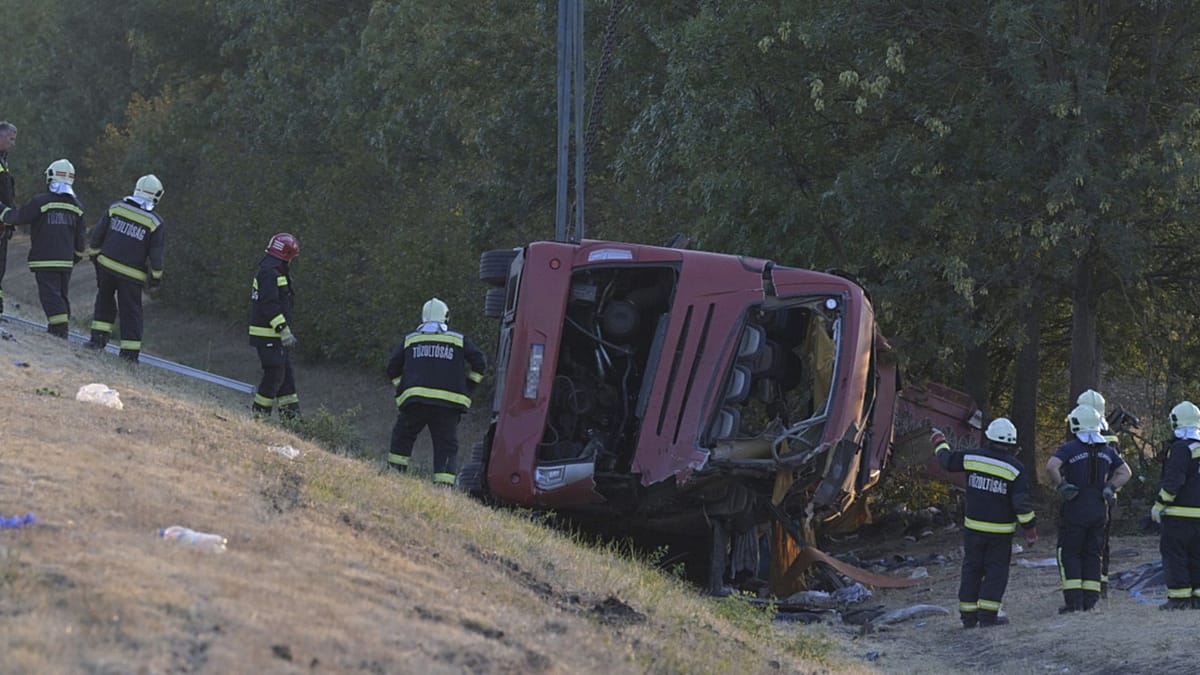
A diplomatic dispute between Rome and Madrid has escalated into a reciprocal tightening of border controls, just as millions of Europeans set off on summer holidays. Spain has announced that from Saturday 8 August, all travellers arriving from Italy by air, sea or land will be subject to identity checks, a direct response to the Italian government's decision to reintroduce controls at its borders with Spain on 1 August.
The Spanish move came after Rome rejected an ultimatum from Madrid to lift the measures, which were introduced in the context of the recent migrant surge in Ceuta, the Spanish enclave on Morocco's coast. The Italian interior ministry reiterated on Friday that its suspension of the Schengen Agreement would remain in force at least until 15 August, prompting Spain to retaliate with its own checks, set to run until 7 September.
What travellers can expect
Spanish authorities have clarified that checks will apply to all arrivals from Italy, regardless of nationality. EU citizens will need to present a valid identity document, while non-EU nationals must also show a visa or residence permit. Italian travellers can use a passport or an electronic identity card (CIE), as paper identity cards have not been valid for international travel since 3 August 2026.
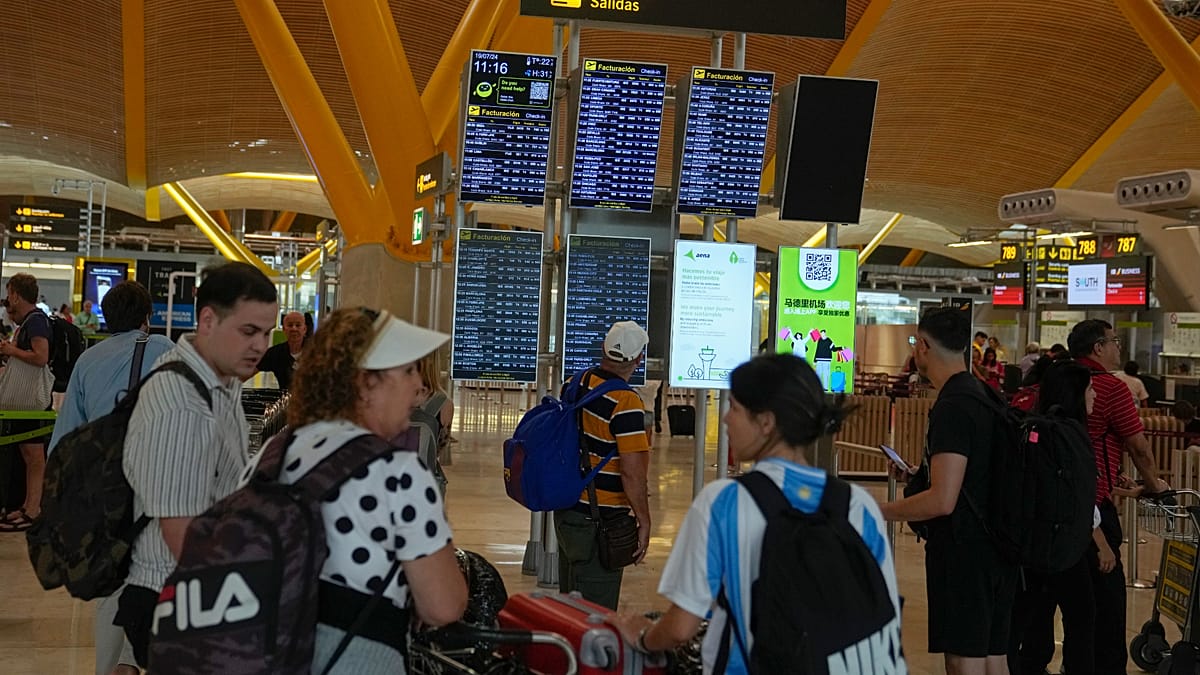
Queues and delays are likely at major hubs such as Madrid-Barajas and Barcelona-El Prat airports, as well as at seaports and the French-Spanish border crossings for those driving through France. Checks may occur at arrival gates, during boarding, or at disembarkation, depending on the mode of transport.
Families travelling with children should ensure that minors have their own valid documents. In Italy, passports for children under three are valid for three years, and for those aged three to 18, for five years. Unaccompanied children under 14 are not permitted to travel alone. For those bringing pets, an EU pet passport issued by a veterinarian, with a microchip and up-to-date rabies vaccination, is required.
The timing could hardly be worse for travellers. With the peak holiday season in full swing, thousands of people have already booked trips between Italy and Spain, and the sudden reintroduction of checks is likely to cause confusion and frustration. Spanish officials have complained that their citizens have already experienced the inconvenience of Italian checks, and that the new measures are a proportionate response.
The dispute has its roots in the Ceuta crisis, when thousands of migrants crossed into the Spanish enclave, prompting Italy to argue that Spain was not doing enough to secure the EU's external border. Italy's decision to impose checks on travellers from Spain was widely seen as a protest against Madrid's handling of the situation. Spain, in turn, has accused Italy of undermining the Schengen principle of free movement.
This is not the first time that Schengen rules have been stretched. Several member states have reintroduced temporary border controls in recent years, citing security or migration concerns. But the current row between two of the bloc's largest economies highlights the fragility of the passport-free zone, especially when national politics intrude.
For now, travellers should prepare for delays and ensure they carry the correct documentation. The situation may evolve, and both governments have left the door open for further talks. But with the checks set to remain in place for several weeks, the summer travel season across the western Mediterranean is set to be more complicated than usual.
Related: Spain's ultimatum to Italy and Ceuta's call for EU action.