In 2027, Macao will mark a decade since being named a UNESCO Creative City of Gastronomy, and the city is rolling out a year-long celebration of its culinary heritage. For travellers with a taste for the unexpected, this special administrative region on China's Pearl River Delta offers a dining landscape unlike any other in Asia.
Macanese cuisine, born from centuries of Portuguese colonial presence and Cantonese cooking traditions, is often cited as one of the world's earliest fusion foods. The local government recognised its cultural weight in 2012, designating it as intangible heritage. Now, with the anniversary approaching, officials are using the milestone to draw attention to both the refined and the rustic ends of the spectrum.
“2027 is a very special year,” said Maria Helena de Senna Fernandes, Director of the Macao Government Tourism Office, speaking at World Travel Market in London. “That will be the 10th anniversary of our designation as a UNESCO Creative City of Gastronomy. So definitely a lot of food events happening next year.”
The city currently boasts 21 dining venues with one to three Michelin stars, plus another 13 holding Bib Gourmand distinctions. But as de Senna Fernandes is quick to point out, the appeal extends far beyond fine dining. “But on the other side, there is also the street food level – a lot of other restaurants [on] offer,” she added.
From red bean cakes to martabak manis
One enduring example of Macao's street-level tradition is Ng Teng Kei, a modest shop that has been making red bean cakes from scratch since 1949. Between October and May, it also serves a regional favourite: martabak manis, a sweet snack with chocolate tucked inside a fluffy sponge. Such treats are part of a broader food economy that, according to de Senna Fernandes, accounts for as much as a quarter of visitor spending.
“Macanese food on one side is very very important to our whole food scene,” she said. “But at the same time we also have Cantonese food.” To safeguard this dual heritage, the Macao government has built a database on Macanese cuisine, working with academics, associations, practitioners, youth groups, and overseas Macanese communities. A similar archive for Cantonese food is in the pipeline.
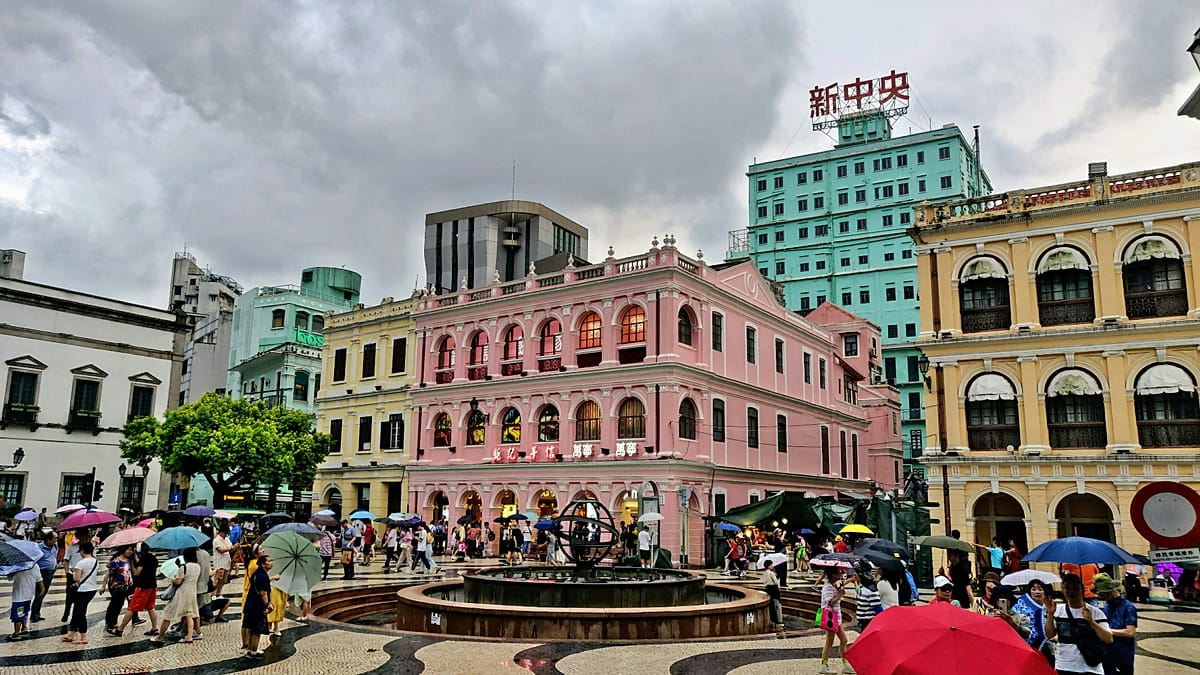
Beyond the plate, Macao is encouraging visitors to venture beyond the well-trodden paths. The bustling Senado Square, with its pastel neo-classical buildings, remains a focal point for events, but the city is also home to museums, flower gardens, fortresses, and historic churches dating back to the Portuguese arrival in the 16th century.
“We are now trying to make the community areas easily accessible by offering free buses, either from the resorts or from the more crowded, or I would say the most central tourism areas, to bring our visitors to a more quiet atmosphere into our community areas,” de Senna Fernandes explained.
The government is also helping small businesses gain visibility. “On one side we're trying to help these small businesses promote themselves better utilising social media,” she said. “On the other side there is another government department working hand in hand with us offering subsidies to help them upgrade their facilities as well.”
Festivities are being planned for these quieter districts, with the aim of making them more appealing to a broader range of visitors. For European travellers accustomed to the continent's own culinary capitals, Macao offers a distinct counterpoint—a place where the legacy of a European empire meets the dynamism of East Asia, and where the next bite might come from a Michelin-starred kitchen or a street stall that has been perfecting its craft for generations.