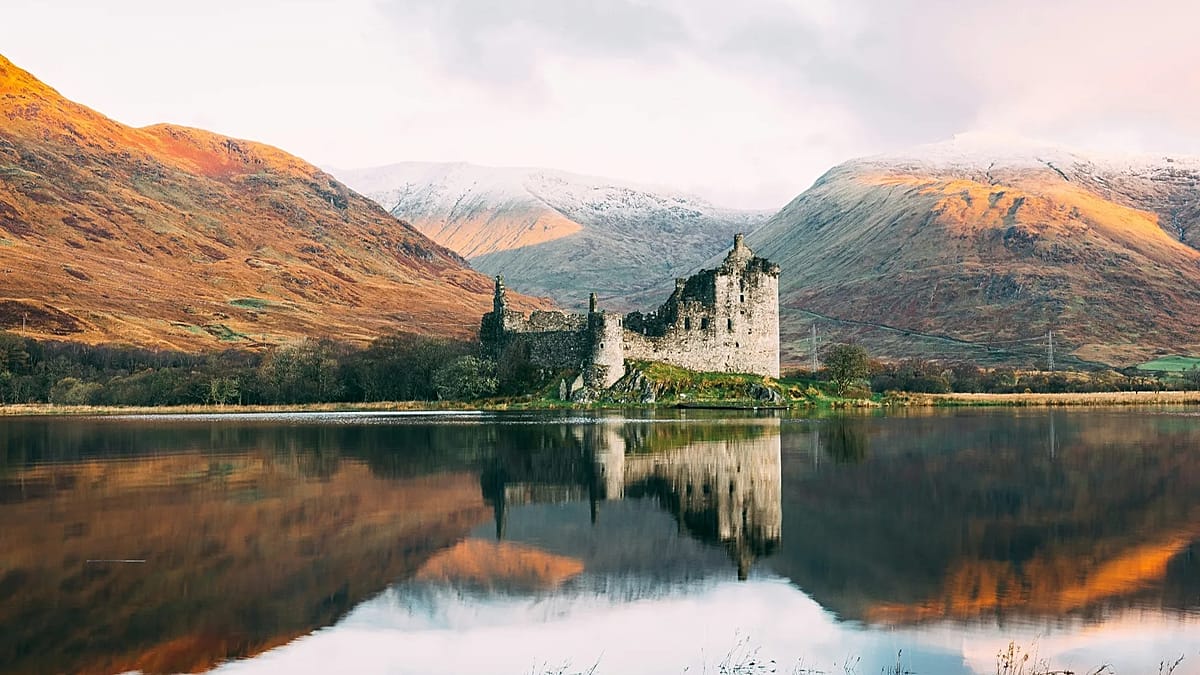
Scotland is positioning tourism as a "force for good," according to Jill Walker, Director of Marketing at VisitScotland. Speaking at World Travel Market in London, Walker stressed that the industry must benefit locals as much as visitors, a principle that will guide the country's promotional efforts in 2027.
The focus is on immersive experiences that reveal the real Scotland. In Wigtown, a market town in Dumfries and Galloway, an Airbnb allows guests to stay inside a working bookstore, play shop, and mingle with locals. It's the kind of hands-on encounter that Walker believes sets Scotland apart.
Unlike many destinations that target a specific demographic, Scotland welcomes everyone. "We don't have anybody that we wouldn't attract," Walker said. "We're a very open and inclusive country and destination, and that will always continue. We've got destinations that are for families, we've got them for young professionals, we've got them for people who are from the older generation – the country is there for everybody."
Her only advice? "We want people to come in the shoulder seasons and experience Scotland in a responsible way and, if they can stay a bit longer, if they could do a bit of slow travel, all the better."
Dumfries and Galloway: a global highlight
Dumfries and Galloway has just been named one of National Geographic's Best of the World 2027 destinations, the only UK entry in the top 25. Walker says the region is perfect for thrill-seekers, offering everything from water sports and gorge scrambling to ziplines across scenic hills.
Scotland will also make history in 2027 when Edinburgh hosts the Grand Départ of the Tour de France, the northernmost start in the race's history. Later that year, Aberdeenshire will stage the inaugural Rally Scotland, marking the UK's first World Rally Championship round since 2019.
For those less inclined to sport, there are new cultural draws. Perth Museum recently opened, and the Inverness Castle Experience, transformed from a former prison and sheriff court into an interactive attraction, welcomed its first visitors in February.
Getting hands-on with Scottish life
VisitScotland's strategy leans heavily on authentic, participatory experiences. Visitors can learn to shear sheep, stay beside Highland "coo" pastures, or cook Cullen Skink, the hearty smoked haddock and potato soup. "We're always innovating in Scotland," Walker said. "There's always lots to do and see, and it's all very interactive, very hands-on, which is obviously important to see Scotland at its best."
Walker believes Scotland naturally enhances wellbeing. "That comes quite naturally to us because we are that hospitable kind of nation; we love hospitality, we're brought up to make sure people enjoy themselves," she said. "We've got that beautiful landscape, we've got that history, integrity and the food, and it's the way we live. It's not put on or contrived for people that are coming to visit. When people come to visit Scotland, they say that very thing. It all feels very grounded, very authentic and quite enriching."
As European destinations grapple with overtourism, Scotland's approach offers a counterpoint: slow travel, local benefit, and genuine connection. For more on how other regions are rethinking hospitality, see a Malta-born pact for hotels and Qatar's shift to return visits.