For decades, Greece has been the default summer escape—a constellation of islands where visitors chase the Aegean sun from June to September. But the country's tourism minister, Olga Kefalogianni, is now pushing a different vision: a Greece that works in every season, from the alpine slopes of Epirus to the vineyards of Macedonia.
Speaking at World Travel Market in London, Kefalogianni told European Pulse that the focus has shifted decisively toward year-round tourism. "It will benefit local communities," she said, "and give the opportunity for travellers to get to know Greece a little bit more." She urged visitors to "experience the authenticity" of the mainland, the "mountainous areas and some lesser-known islands, too."
The timing is no accident. Greece is on track for another record year in 2026, with arrivals and revenue continuing to climb. But Kefalogianni is careful to define success beyond raw numbers. "It's not just the number of arrivals or revenue," she explained, "but the value that it creates for the local economies." That means spreading visitors beyond the crowded Cyclades and into regions that have long been overlooked.
Mountains, vines, and wellness
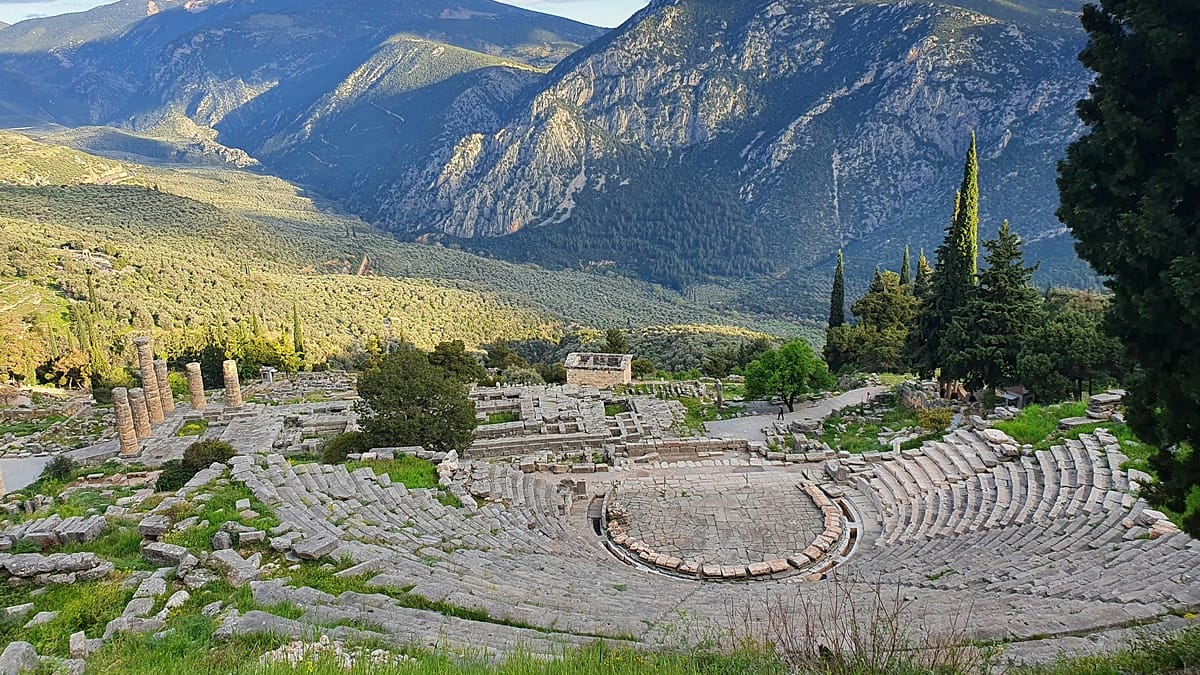
The tourist board is now investing heavily in agrotourism, wellness and spa offerings, and gastronomic and wine tourism. Greece's mountainous interior—home to Mount Olympus and the second-highest peak, Mount Smolikas—is being marketed as a destination in its own right. "Greece is associated with its beautiful islands, the beaches that are really amazing with the crystal waters," Kefalogianni said, "but it's also a very mountainous country… here, in the mountainous areas, you're being welcomed by the locals who really are very hospitable and warm."
Wine tourism is a particular growth area. Hundreds of wineries across the country are open to the public, and the tourist board has launched a dedicated microsite, winetourismgreece.com, to help visitors navigate the best regional vintages. The relaunched VisitGreece.gr now uses AI to generate customised itineraries for travellers who are unsure where to start.
For those planning an off-season trip, Kefalogianni points to Athens as the natural entry point. The capital, she said, "gives travellers a year-round experience." It's especially popular among younger visitors, who see Athens "not just for its cultural offering" but also as a "vibrant, very cosmopolitan and very modern city, with all sorts of events from concerts to sports."
The strategy reflects a broader European trend: destinations that once relied on a single season are diversifying to smooth out visitor flows and reduce pressure on fragile ecosystems. In Greece, the shift also carries an economic logic—extending the season means more stable employment for locals and less strain on infrastructure that is often stretched to breaking point in July and August.
Kefalogianni's message is clear: the country is no longer just a summer fling. "The target for us is of course to have year-round tourism, not just seasonal activity." Whether that means hiking the Vikos Gorge in spring, tasting Assyrtiko on Santorini in autumn, or exploring Thessaloniki's food scene in winter, Greece is betting that its appeal can last all twelve months.