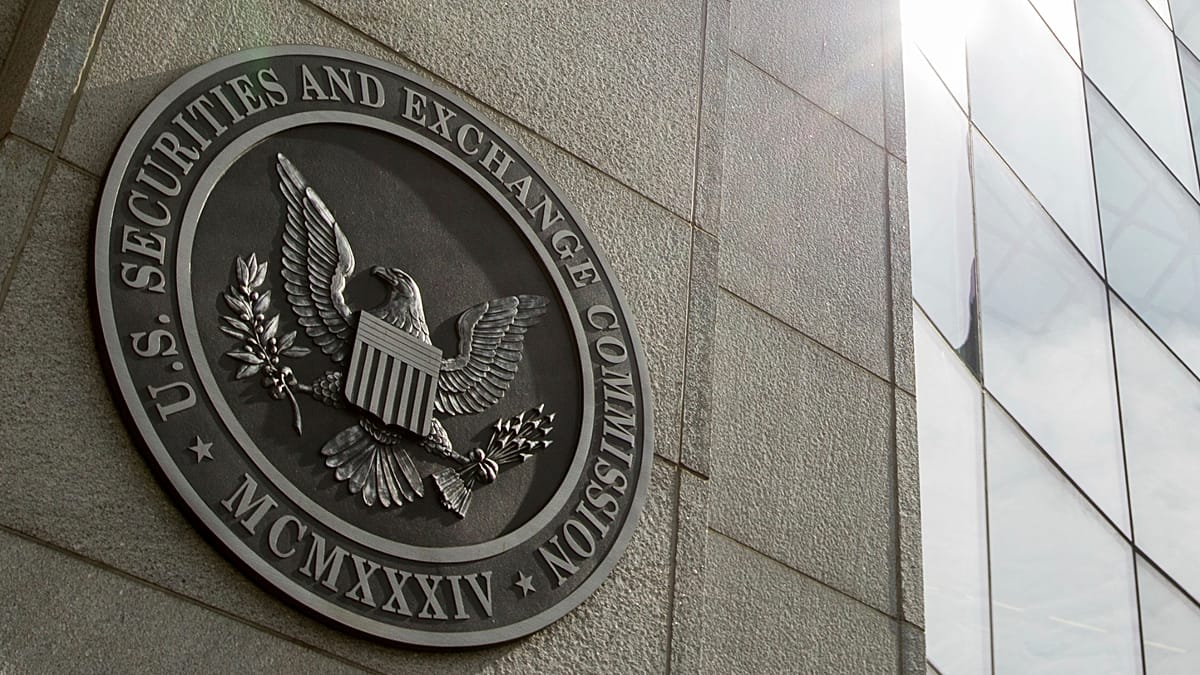
The US Securities and Exchange Commission (SEC) has tabled a long-awaited rulemaking package for crypto assets, proposing a lighter regulatory touch that would let digital-asset firms raise capital without the full burden of a traditional public offering. The plan, unveiled on Tuesday, is the agency's first formal rulemaking dedicated to crypto offerings and builds on interpretive guidance issued in March.
At the heart of the proposal are two new exemptions. The first, a "startup exemption," would allow issuers to raise up to $5 million (€4.3 million) over a four-year period without registering the offering. The second, a "fundraising exemption," would permit raises of up to $75 million (€64.7 million) within any 12-month period, though firms using it would still need to publish financial statements and meet ongoing reporting duties.
Both routes would require companies to provide investors with narrative, principles-based disclosures rather than the dense legal filings typical of public listings. The proposal also includes a conditional safe harbour that could eventually place certain tokens outside the legal definition of a security, once an issuer has completed or permanently abandoned the managerial efforts promised to investors. It would also override conflicting state registration rules for offerings made under the exemptions, sparing issuers from having to comply with separate state securities regimes.
SEC Chairman Paul Atkins described the package as a "minimum effective dose" of oversight, protecting investors while leaving builders maximum room to innovate. Industry reaction has been largely positive. Summer Mersinger, CEO of the Blockchain Association, said the move finally delivers the tailored regulatory clarity the sector has sought for years. Cody Carbone, CEO of the Digital Chamber, also praised the plan, pledging support to help the industry expand within the US rather than abroad.
The proposal is far from final. It will be open for public comment for 60 days once published in the Federal Register, meaning its provisions could still change or be scrapped before any final rule is adopted.
Senate stalls, regulator steps in
The SEC's move comes roughly a week and a half after the US Senate left Washington for its summer recess without advancing the Digital Asset Market CLARITY Act (H.R. 3633), the industry's flagship bill, which would split oversight of digital assets between the SEC and the US Commodity Futures Trading Commission. Senate Majority Leader John Thune filed a cloture motion on the bill on 7 August, but lawmakers departed before a vote was held. That motion is now due to come up again on 15 September, a procedural hurdle rather than a final vote, once senators return.
SEC Chairman Atkins has argued on more than one occasion that only Congress can deliver a lasting, "future-proofed" framework able to survive changes in political leadership, and the Commission says it still backs the bill's passage.
For European observers, the SEC's move is a reminder of the transatlantic divergence in crypto regulation. While the EU has moved forward with its Markets in Crypto-Assets (MiCA) regulation, the US has been slower to provide clarity. The SEC's proposal, if adopted, could influence how European firms view the US market, especially as Brussels continues to push for payment autonomy and reduce reliance on US financial infrastructure. The EU's own efforts, such as the digital euro, are part of a broader strategy to strengthen Europe's financial independence, a topic that resonates in the context of global crypto regulation.
While the SEC's proposal is a US domestic matter, its implications are global. European crypto firms looking to raise capital in the US may find the new exemptions attractive, but they will also need to navigate the EU's MiCA framework, which imposes its own requirements. The coming months will show whether the SEC's lighter-touch approach becomes a model for other jurisdictions, or whether it remains an outlier in an increasingly regulated global market.