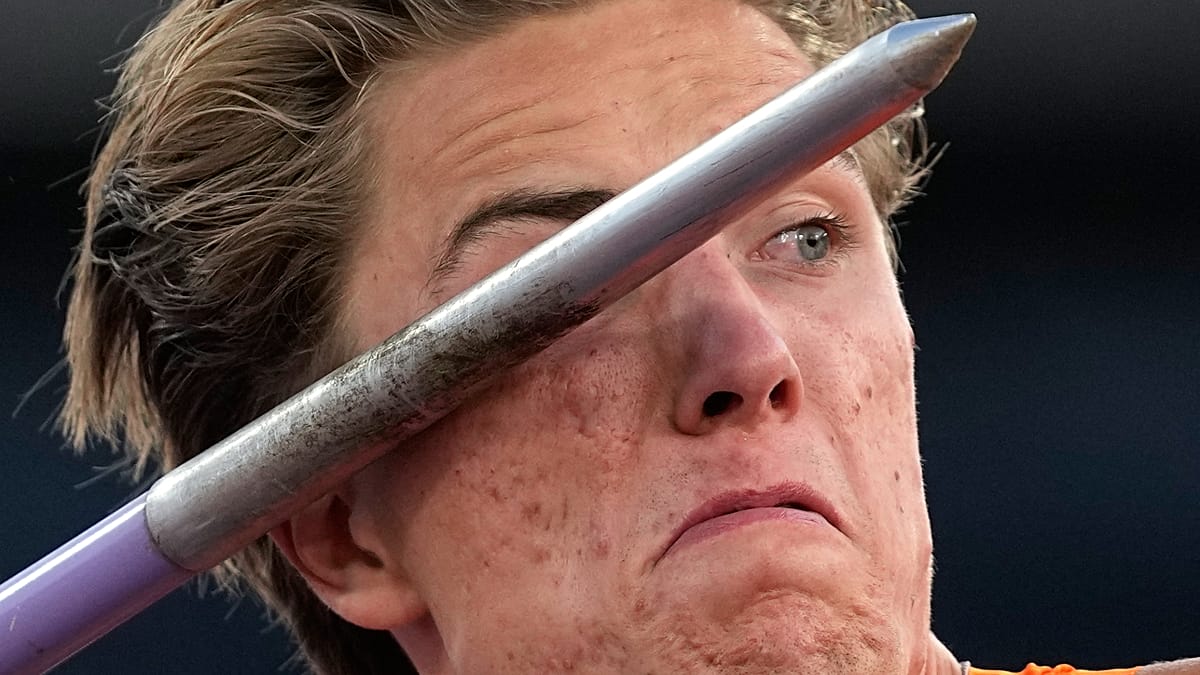
At the World Athletics Ultimate Championship in Budapest this September, the javelin will do more than fly: it will talk. TDK Corporation, the Japanese electronics giant with deep roots in European manufacturing, is fitting the implements with sensors that record the physics of every throw and translate it into live visualisations for the stadium crowd.
The demonstration, scheduled for the morning of 11 September at the Gyula Zsivotzky National Athletics Centre, is part of TDK's long-standing partnership with World Athletics. The company has been an official supporter of the sport's governing body since 1983, but in recent years the collaboration has moved into data-driven projects aimed at revealing what a simple distance measurement cannot show.
Traditional javelin results reduce a complex athletic feat to a single number. TDK's sensors change that. They track the release angle, rotation, speed, height, and the full flight path of the spear, feeding the data into software that generates real-time graphics. For athletes, the goal is a sharper understanding of their technique; for spectators, a window into the mechanics that separate a good throw from a world record.
From invisible data to instant insight
The initiative builds on work first tested at the World Athletics Championships in Tokyo in 2025. Since then, TDK says it has upgraded both the sensor unit and the analysis software, enabling instant processing and visualisation of the javelin's movement. The company sees this as a step toward broader applications in training, performance analysis, and the fan experience.
The Budapest event will feature several international-level athletes. Among them are Rumesh Tharanga Pathirage of Sri Lanka, the current world No. 1 in the men's javelin; Keshorn Walcott of Trinidad and Tobago, the 2025 world champion and a two-time Olympic medallist; and Haruka Kitaguchi of Japan, the 2024 Olympic gold medallist and 2023 world champion, who will join a discussion on sensor technology but will not throw. Hungarian champions Máté Horváth, Fanni Kövér, and Máté Járvás are also expected to take part.
The project is part of TDK's broader "TDK Transformation" vision and its "In Everything, Better." philosophy. Through its "TDK Sensing Within" initiative, the company aims to embed sensor technology across products and sectors, often working with external partners. The javelin demonstration is a vivid example of how that approach can extend into sport.
The World Athletics Ultimate Championship is a new biennial competition that brings together world and Olympic champions, Wanda Diamond League winners, and the top-ranked athletes in each discipline. The inaugural edition, held in Budapest from 11 to 13 September, offers a prize fund of $10 million (about €8.6 million).
For European audiences, the event is a chance to see how data is reshaping athletics. The technology on display in Budapest could soon influence how coaches prepare athletes and how broadcasters explain the sport. As other recent athletics events have shown, innovation is becoming as important as raw performance.
TDK's move also reflects a wider trend of sensor technology entering everyday life, from smart glasses to consumer electronics. The company's European operations, including manufacturing and R&D sites in Germany, Hungary, and other countries, are central to its global strategy.
Whether the smart javelin will become a standard tool in athletics remains to be seen. But for now, it offers a compelling preview of how data can deepen our appreciation of sport—and perhaps help the next generation of throwers push the limits of what is possible.