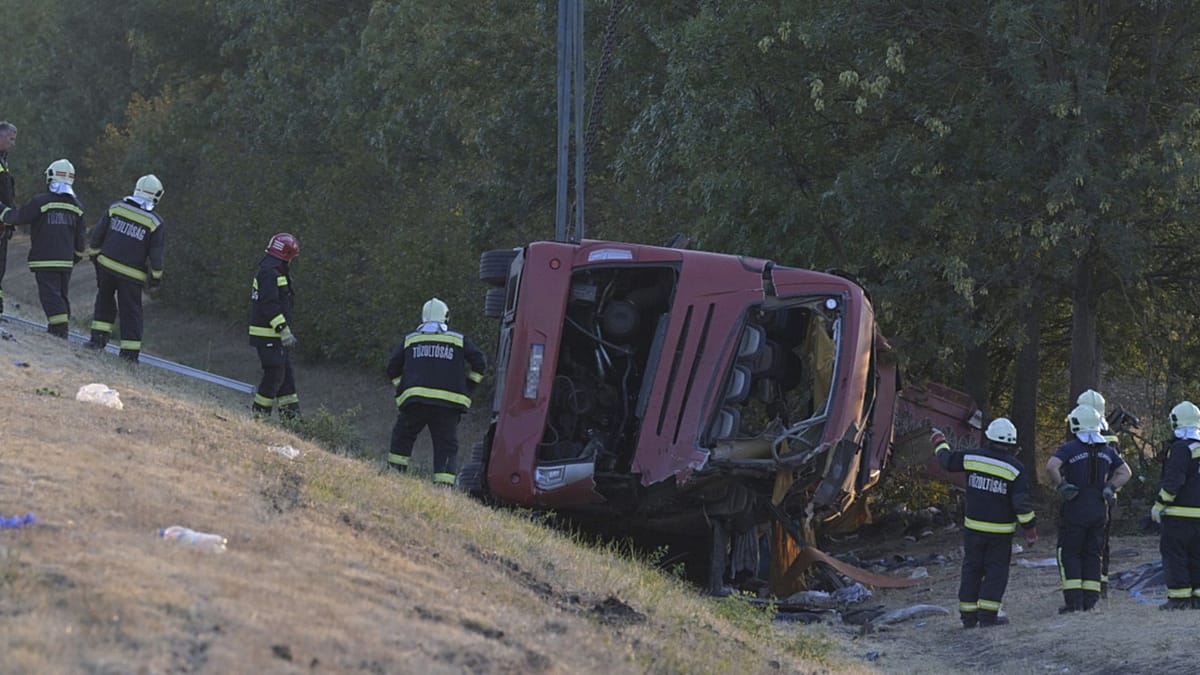
As millions of Europeans prepare for summer road trips, a new study highlights stark disparities in road safety across the continent. Serbia, Bulgaria, and Romania rank as the deadliest countries for driving, while Nordic nations continue to set the benchmark for safety.
The research, conducted by Vignette Switzerland, a company that sells digital road toll passes, analyzed road fatality data per million inhabitants. Serbia leads with 74 deaths per million, a rate 72% above the EU average. This marks the second consecutive year Serbia has topped the list, though its latest figures show a slight decline from the previous year.
Bulgaria follows closely with 71 deaths per million, and Romania ranks third with 68. These three Eastern European countries have long struggled with road safety, reflecting challenges in infrastructure, enforcement, and vehicle standards.
Tourist hotspots among the most dangerous
Several popular holiday destinations also appear in the top ten deadliest countries. Portugal, Greece, Italy, and France all feature prominently, raising concerns for the millions of tourists who drive through these nations each summer. Portugal, in particular, has seen minimal improvement, with road deaths falling by just 1% since 2015. France has also shown sluggish progress, reducing fatalities by only 6% over the same period.
In contrast, Nordic countries dominate the safety rankings. Norway and Sweden are tied at just 19 deaths per million inhabitants, making them nearly four times safer than Serbia. These nations benefit from rigorous traffic laws, advanced vehicle safety standards, and well-maintained road networks.
Lithuania has achieved the most dramatic improvement, cutting road deaths by 43% over the past decade. Latvia, Bulgaria, Greece, and Hungary also posted significant reductions: 37%, 36%, 35%, and 30% respectively. These gains suggest that targeted policy interventions and infrastructure investments can yield substantial results.
However, progress has stalled in some regions. Beyond Portugal and France, other southern European countries have seen mixed results. The findings underscore the need for a coordinated European approach to road safety, particularly as cross-border travel increases during the summer months.
For travelers, the data serves as a reminder to exercise caution, especially in countries with higher fatality rates. Simple measures like wearing seat belts, avoiding speeding, and staying alert can significantly reduce risks. As the EU continues to debate security measures, including broader security debates, road safety remains a critical component of public welfare.
The study also highlights the importance of emergency response systems. In Portugal, for instance, the INEM helicopter network has achieved a three-minute emergency response time, a model that could be replicated elsewhere to save lives. Meanwhile, the ongoing threat of wildfires, such as those recently devastating Crete, adds another layer of risk for drivers in southern Europe.
As Europe's roads become busier with holiday traffic, the contrast between the safest and deadliest countries remains stark. While Nordic nations offer a template for success, Eastern and Southern Europe still have significant work to do to protect their citizens and visitors alike.