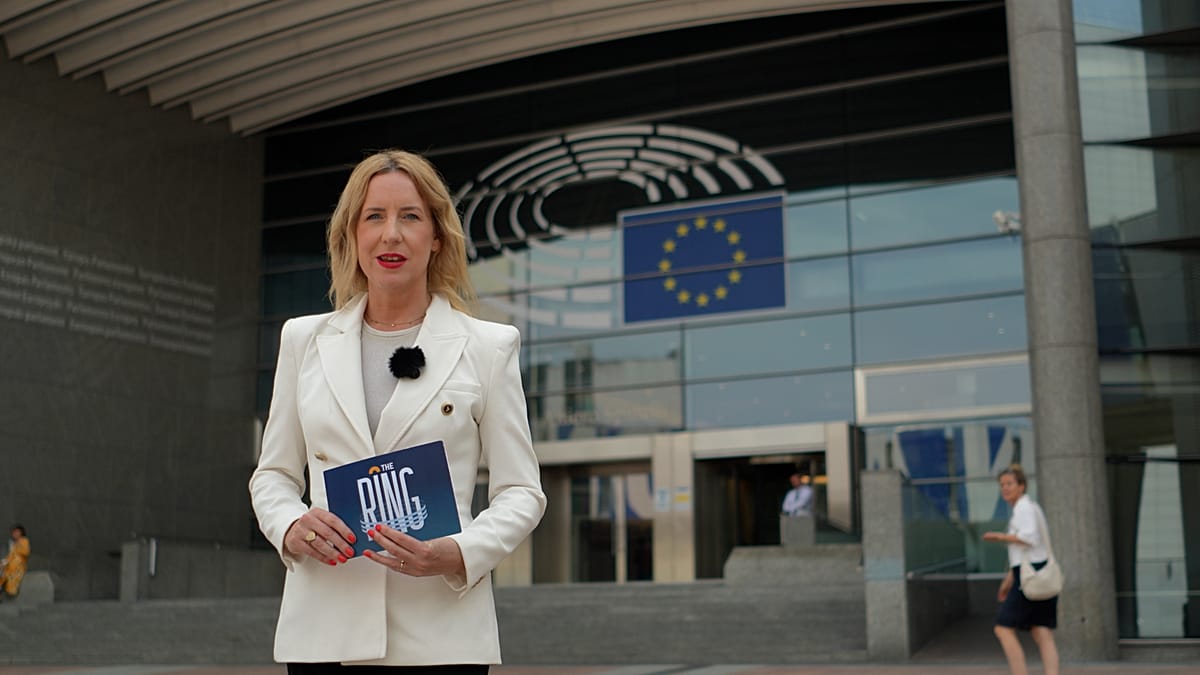
As the European Parliament enters its summer recess, a special edition of The Ring has brought together some of the season's most contentious exchanges on the continent's security future. With Russia's full-scale invasion of Ukraine continuing to reshape Europe's strategic landscape, MEPs have been locked in fierce debates over how the Union should defend itself—and at what cost.
Defence spending: who pays the bill?
In one of the most heated confrontations, Estonian MEP Riho Terras, a former general and member of the centre-right European People's Party (EPP), faced off against German MEP Martin Schirdewan of The Left group. Terras argued that Europe must continue increasing military investment to meet the threats posed by an aggressive Russia. Schirdewan countered that the burden should not fall disproportionately on ordinary citizens, questioning the wisdom of endless defence budget hikes without clear accountability.
The debate over financing extended to a second clash between Austrian MEP Lukas Mandl (EPP) and Belgian MEP Marc Botenga (The Left). Mandl advocated for a robust, integrated European defence capability, while Botenga warned against what he described as a militarisation of EU policy that could undermine social spending and diplomatic efforts.
Middle East policy divides the chamber
Spanish Socialist MEP Hana Jalloul and Austrian EPP MEP Reinhold Lopatka offered sharply contrasting visions of the EU's role in an increasingly volatile Middle East. Jalloul stressed the need for a balanced approach that prioritises humanitarian aid and diplomatic engagement, while Lopatka argued that Europe must project military strength to protect its interests and allies in the region.
The discussion also featured a separate exchange between Riho Terras and German MEP Özlem Demirel, who debated how Europe should respond to escalating regional tensions. Terras emphasised the importance of deterrence and rapid reaction capabilities, while Demirel called for a renewed focus on conflict prevention and multilateral diplomacy.
These debates come as the EU grapples with broader questions about its strategic autonomy. The bloc has already committed billions in military aid to Ukraine and is exploring joint procurement of defence equipment, but divisions remain over how far to go. Some member states, particularly those in the east, push for a more aggressive posture, while others, including Germany and France, urge caution and a continued emphasis on dialogue.
As the summer break begins, the exchanges captured in The Ring highlight the difficult choices Europe faces in an increasingly uncertain geopolitical environment. The question of security—and its price—will likely dominate the agenda when MEPs return in the autumn.