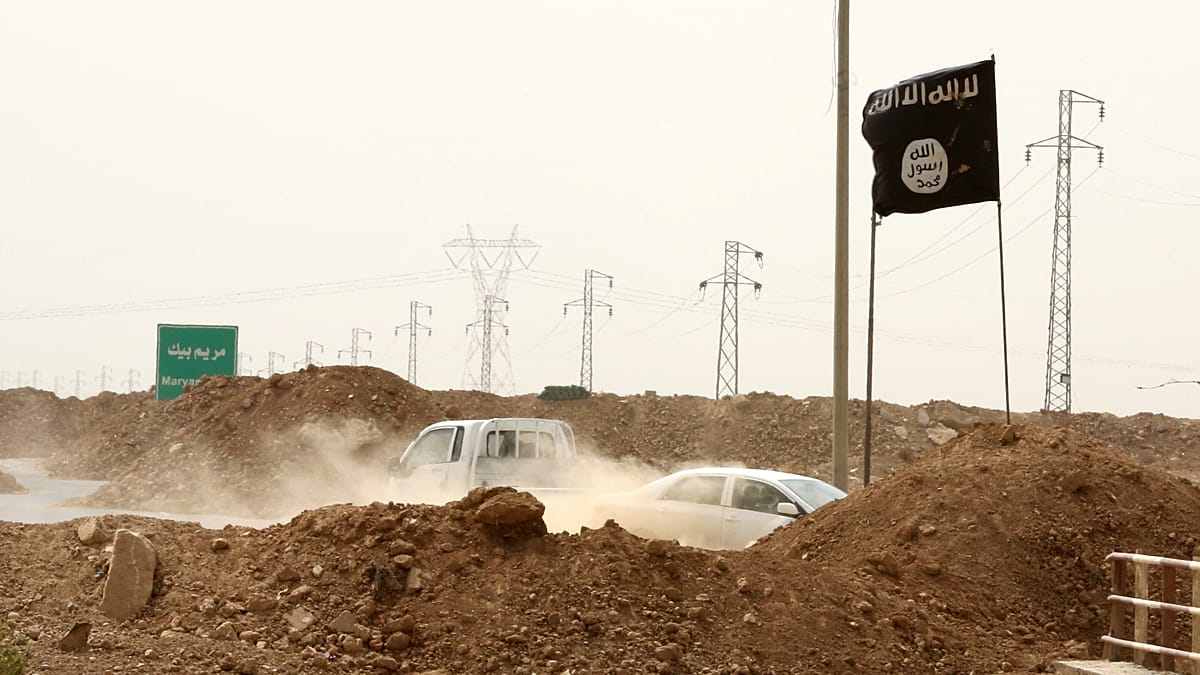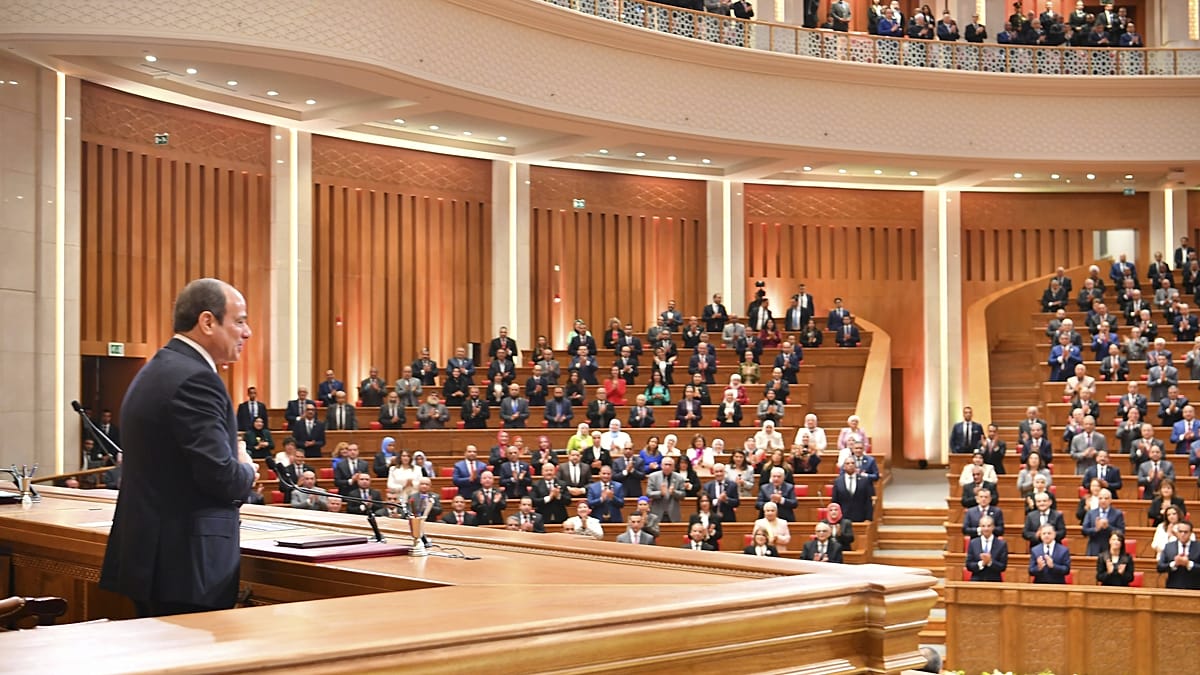
Cairo's House of Representatives voted on Monday to authorise President Abdel Fattah el-Sisi to provide military assistance to Saudi Arabia should Riyadh ask for help, after a series of attacks by Yemen's Iran-aligned Houthi movement. The decision, which required a two-thirds majority, passed after three closed sessions, according to a statement from the chamber.
The measure permits el-Sisi, in coordination with Saudi authorities, to take steps to protect the kingdom's territory, sovereignty and holy sites against external aggression. The statement did not specify what form the assistance might take, nor did it announce any troop deployment.
The vote came as Saudi Defence Minister Prince Khalid bin Salman joined Pakistani and Turkish officials in Tehran for talks with Iranian leaders, part of broader regional efforts to prevent further escalation. The Saudi foreign ministry described the visit as an attempt to open channels for negotiation.
Parliamentary debate and reservations
El-Sisi first sought parliamentary approval on 17 October. Lawmakers met behind closed doors on 18 and 19 October before postponing the decision until Monday. Deputy Speaker Assem El-Gazzar said nearly 500 MPs had requested to speak during the discussions, reflecting the gravity of the issue.
While most parties backed the request, some lawmakers questioned the terms of a possible military mission. The Egyptian Social Democratic Party instructed its MPs to abstain, arguing that parliament had not received enough information about what troops would be asked to do, how long they might stay, the costs involved, or the risks they would face. The party expressed support for Saudi Arabia's security but warned against an open-ended military commitment and urged Cairo to leave room for diplomacy.
The National Defence Council, chaired by el-Sisi, had endorsed the move on 18 October. Under Egypt's constitution, the armed forces cannot be sent on combat missions abroad without the approval of two-thirds of MPs.
Attacks continue as diplomats meet
Fighting between the Houthis and the Saudi-led coalition backing Yemen's internationally recognised government shows no sign of abating. The Houthis claimed on Monday to have attacked pumping stations on Saudi Arabia's East-West oil pipeline and King Khalid International Airport in Riyadh, though there was no immediate Saudi confirmation. The coalition separately said it had intercepted a missile heading towards Riyadh and destroyed Houthi missile launchers and storage facilities in Yemen.
The conflict threatens shipping through the Bab el-Mandeb Strait, the southern entrance to the Red Sea and a vital artery for vessels heading to Egypt's Suez Canal. The European Parliament has recently urged the EU to blacklist the Houthis as terrorists, reflecting growing concern in Brussels about the impact on maritime trade and regional stability.
Egypt's main stock index closed 1.7% lower on Monday ahead of the vote, after trading was halted for 30 minutes on Sunday when the broader EGX100 index fell 10%. Saudi Arabia remains a major political ally and financial supporter of Egypt, providing aid, energy supplies and deposits at Egypt's central bank.
The approval comes amid a broader diplomatic push, including Mecca pact members opening a dialogue in Tehran to ease tensions. Egypt's role, if activated, would likely be limited to defending Saudi territory and borders, as el-Sisi stated last week, ruling out attacks on Yemeni soil.