Senior military and security officials from Saudi Arabia, Pakistan and Turkey met Iranian officials in Tehran on Monday, signalling a dual-track approach of deterrence and dialogue in a region increasingly defined by overlapping crises. The delegation included Saudi Defence Minister Prince Khalid bin Salman, Pakistani army chief Field Marshal Asim Munir, and Turkish intelligence chief Ibrahim Kalin, according to Saudi and Iranian sources.
The meeting, hosted by Mohsen Rezaei, secretary of Iran's Supreme National Security Council, comes as the three countries—members of the Mecca Defence Alliance—seek to manage tensions with Tehran even while preparing for potential military escalation. Iranian Foreign Ministry spokesperson Esmaeil Baghaei described the talks as a possible step toward establishing cooperative regional security mechanisms, reiterating Tehran's long-standing call for what it terms "endogenous security," a framework that would rely primarily on the capabilities and interests of regional states.
The Mecca pact: collective defence against regional threats
Saudi Arabia, Pakistan and Turkey signed the Mecca Joint Defence Agreement in August 2026, committing to treat an armed attack on one member as an attack on all. The pact combines Saudi financial clout and energy-market influence, Pakistan's nuclear deterrent, and Turkey's defence-industrial base and NATO membership. Although the agreement was concluded amid concerns over Iran and its allied groups, Turkish officials have insisted it is not directed at any specific country. Foreign Minister Hakan Fidan told Anadolu in August that the pact did not identify a common threat, adding that countries would not be considered targets unless they attacked a signatory.
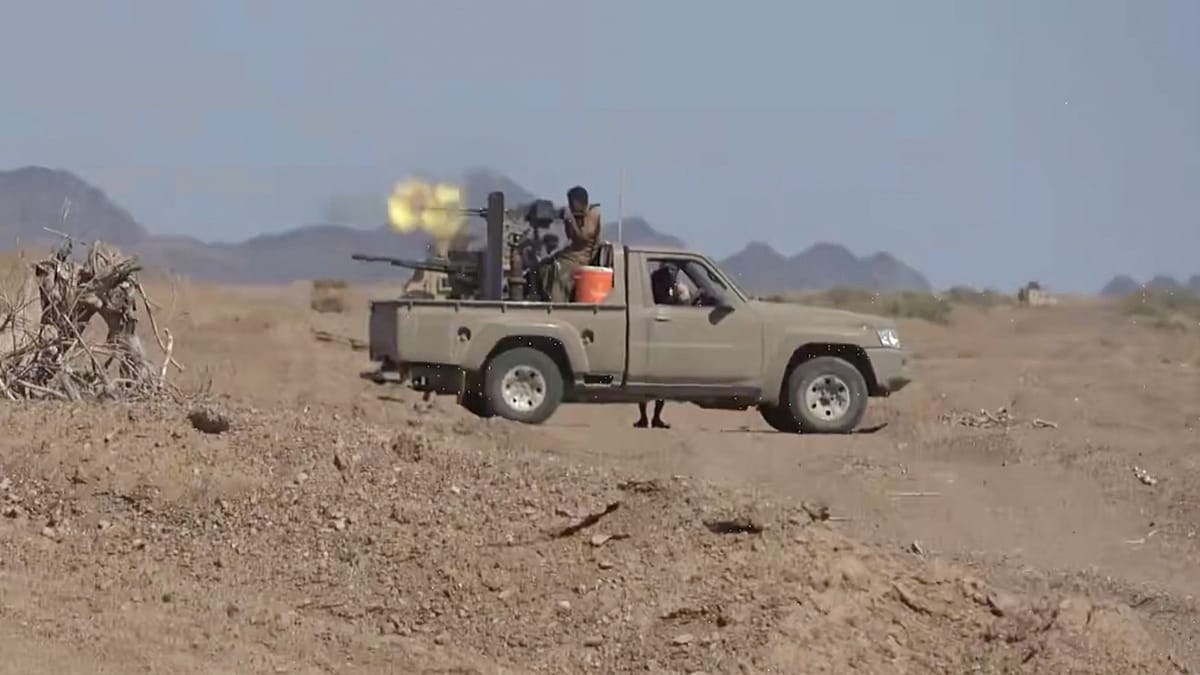
The agreement has been ratified in Pakistan, while Turkey has submitted it to parliament but has not yet completed ratification. The alliance's first major test has come from Yemen's Houthi rebels, who have escalated missile and drone attacks against Saudi territory. At an emergency meeting in Riyadh on 5 October, the three countries agreed to implement their collective defence commitments, including measures for the rapid deployment of military forces and capabilities to Saudi Arabia. A joint statement published by Turkey's Foreign Ministry outlined these steps.
Ankara, however, has drawn a clear line between defensive support and offensive operations. At a press conference on 8 October, Fidan said the agreement was defensive and ruled out sending Turkish troops to carry out attacks in Yemen. Turkey has instead been assessing contributions in areas such as air defence, electronic warfare and technical assistance.
Why engage with Tehran?
The Tehran visit reflects a pragmatic calculation by the three capitals. Pakistan has been mediating between Tehran and Washington in recent months, while Saudi Arabia seeks to contain the threat posed by Houthi attacks on its infrastructure. Turkey, for its part, has aimed to prevent further regional escalation. Saudi Deputy Minister for Public Diplomacy Rayed Krimly said on X that the talks were part of continued efforts by the Mecca pact countries to reduce tensions and encourage diplomatic solutions, and that they were intended to support mediation efforts by Qatar and Pakistan.
The Saudi statement suggests that engagement with Iran is being pursued alongside the alliance's defence commitments, rather than representing a fundamental shift in its purpose. Tehran's emphasis on locally driven security arrangements appears, at least in principle, to share some common ground with the Mecca pact's stated objective of strengthening security cooperation among regional states. Yet significant differences remain. Saudi Arabia maintains extensive security ties with Washington, Turkey is a NATO member, and Pakistan continues to pursue defence partnerships with several major powers. No agreement on a new joint regional security mechanism has been announced.
The Tehran meeting nonetheless highlights a notable development: three countries that established a mutual defence alliance in response to mounting regional threats are now also pursuing direct dialogue with Iran. Whether this dual track can ease tensions remains to be seen, but it reflects a broader trend in the Middle East, where even adversaries are exploring channels of communication. The outcome of these talks could have implications not only for the Gulf but also for European security, as NATO allies like Turkey balance their commitments and as European powers watch for signs of a more stable or more volatile region. For now, the Mecca pact's members are keeping their options open—both on the battlefield and at the negotiating table.