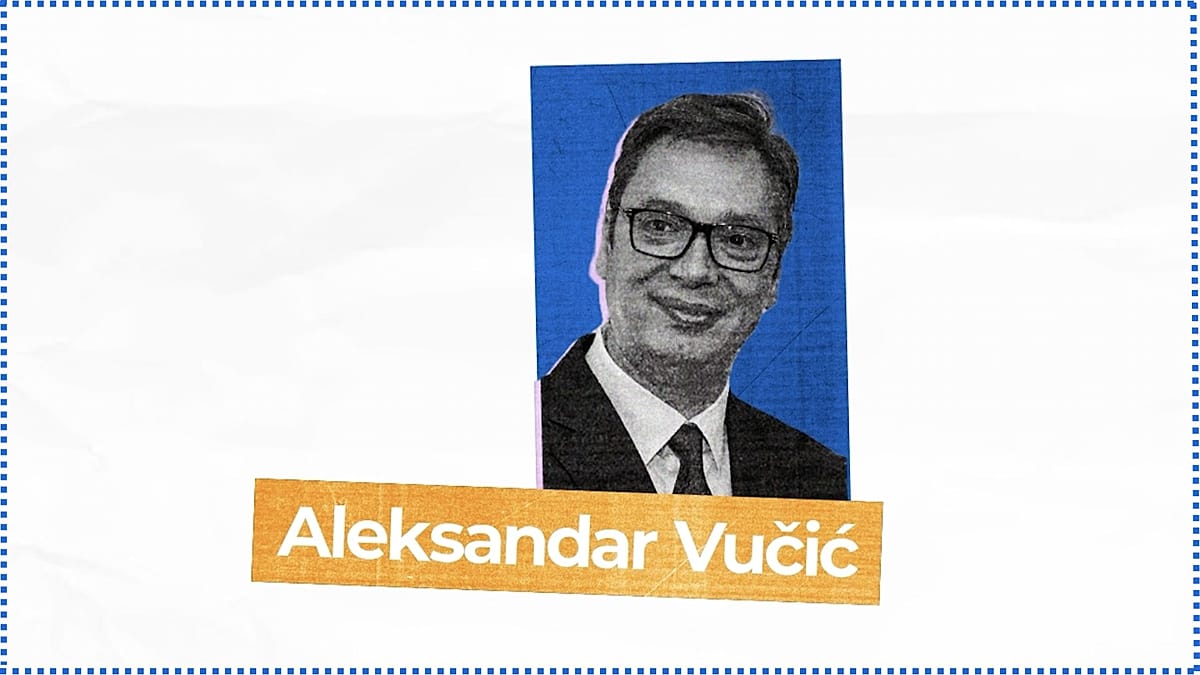
Last weekend, Serbian President Aleksandar Vučić stunned the nation by announcing he will step down within weeks and call early presidential and parliamentary elections. Yet this is no surrender. For a leader who has dominated Serbian politics since 2012, the move looks more like a calculated gambit to consolidate power.
For over eighteen months, student-led demonstrations have shaken Belgrade. The protests erupted after a tragic railway station canopy collapse in Novi Sad killed sixteen people, exposing—according to students and opposition parties—systemic state corruption. The movement has become a potent force, demanding accountability and reform.
A Constitutional Workaround
Barred constitutionally from seeking another presidential term in 2027, Vučić is launching a tactical pivot. Experts expect him to return to power by running for prime minister instead. Snap elections, he gambles, will consolidate his rule. According to the agency Faktor Plus, local polls place his party at 47% voter support, while the student movement trails at just under 31%.
Vučić routinely brands the student activists as manipulated foreign agents out to destabilise the country. Simultaneously, he pledges to accelerate European Union membership goals while fiercely protecting traditional alliances with Moscow and Beijing. This geopolitical tightrope, however, is becoming increasingly expensive.
The EU is currently weighing a critical decision to slash up to 1.5 billion euros in development funds. Brussels is alarmed by laws that strip judges of their independence, violent police crackdowns on student rallies, and constant state interference in independent newsrooms. As the biggest financial backer of the country, the EU provided over half a billion euros in non-repayable grants between 2021 and 2024. Official figures from Belgrade reveal that total EU funding and investments have surpassed 7 billion euros since 2000.
For a long time, Vučić has aimed to appease Brussels just enough to safeguard that cash without sacrificing his eastern allies. The EU's push to advance Serbia's accession talks has been complicated by these tensions. Now, the presidency will change hands, but the main force of Serbian politics has no plans to retire from the political stage.
The student movement, however, shows no signs of waning. Their demands for justice and transparency have resonated across the country, and they view Vučić's resignation as a partial victory but not the end. The coming weeks will test whether snap elections can truly reset the political landscape or merely entrench the status quo.
As Brussels debates its next move, the clash between the EU Commission and member states over Serbia's accession underscores the stakes. For Vučić, the calculation is clear: maintain enough reform momentum to keep EU funds flowing, while preserving the authoritarian tools that have kept him in power. Whether this balancing act can survive the current crisis remains uncertain.