In the heart of South Africa's Greater Kruger region, a former hunting reserve has been transformed into a high-end safari destination after a five-year rehabilitation and rewilding effort. Sandringham Private Game Reserve, bordering the Timbavati and Thornybush reserves, opened its doors this month, marking a shift from blood sport to conservation-led tourism.
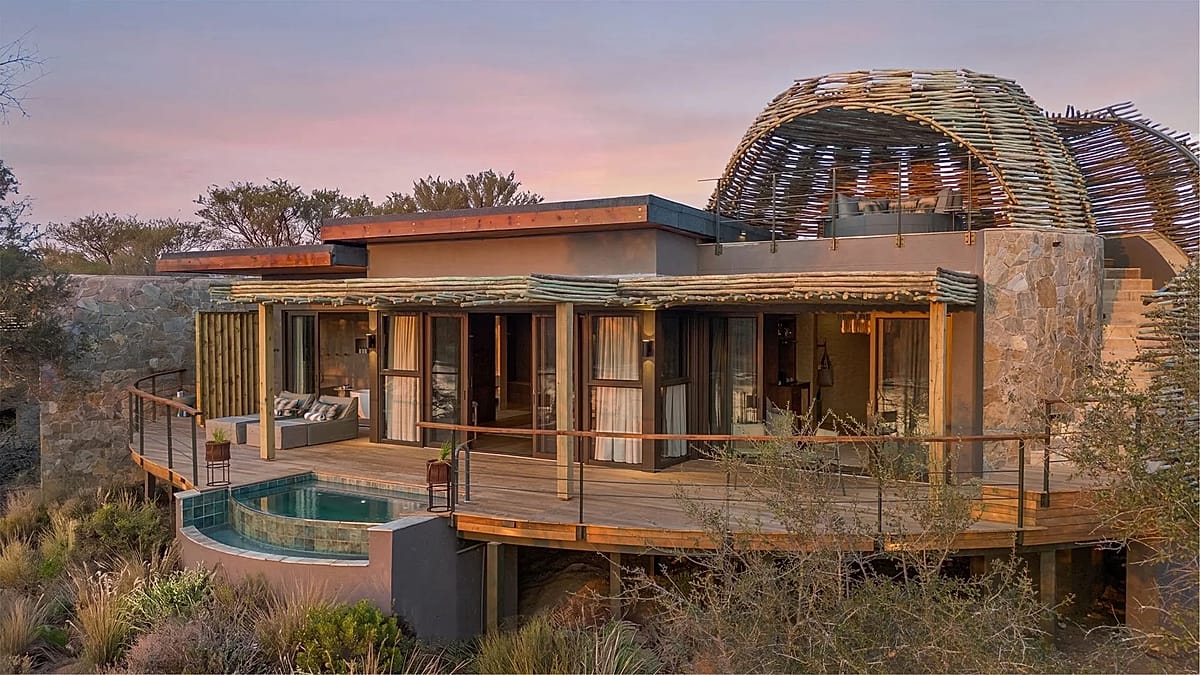
The reserve comprises two intimate camps—N’weti, named after the silhouette of the Drakensberg Mountains, and Shisaka—each with six suites. For those seeking more privacy, Shisaka offers two standalone villas, while the four-bedroom Sandringham House can be booked exclusively for families or groups.
The project is the work of Sabi Sabi Collection, a well-known name in South African eco-tourism. The company says its goal is to offer an “intimate safari experience shaped by conservation, community engagement and luxury.” Beyond restoring habitats and supporting wildlife recovery, Sabi Sabi has partnered with the Tracker Training Academy to help young people from neighbouring communities build careers as professional wildlife trackers.
“What inspired us most was the opportunity to restore and protect an extraordinary landscape while creating a safari experience that delivers lasting value for wildlife, local communities and future generations of travellers,” said Jacques Smit, marketing director at Sabi Sabi Collection. “Watching the land recover and wildlife return has been one of the most rewarding journeys in our history.”
Luxury with a conservation conscience
Each suite comes with its own private infinity pool, indoor-outdoor bathrooms, and nest-like relaxation spaces inspired by Tsonga heritage. From these vantage points, guests can watch wildlife along the Timbavati River without leaving the comfort of their accommodation.
The central lodge houses a spa, a gym, an education centre for younger visitors, and a boma dining area featuring a wine tower stocked with South African estates. The reserve spans nearly 5,000 hectares and is accessible via a private airstrip, making it a convenient yet secluded escape.
Game drives and walking safaris are included in the stay, and with four rivers crossing the property, birdwatchers will find plenty to keep their binoculars busy. The reopening is part of a broader trend in southern Africa where former hunting areas are being converted into conservation-focused tourism ventures, a model that aims to balance ecological restoration with economic viability.
For European travellers, this shift offers an opportunity to experience the African bush in a way that aligns with growing concerns about sustainability and ethical wildlife tourism. As the continent's travel industry rebounds, such projects may serve as a blueprint for how tourism can contribute to conservation rather than detract from it.