Spain is bracing for a record 100 million international visitors this year, but the country is shifting its focus from sheer numbers to sustainable management. In a presentation at the Arabian Travel Market in Dubai, Carlos Ruiz González, director of the Spanish Tourist Office for the Gulf region at Turespaña, outlined the government's Tourism 2030 strategy, which places residents and sustainability at its core.
The plan, developed with input from over 200 tourism experts, businesses, and government bodies, acknowledges that Spain's destinations face vastly different challenges. From the crowded streets of Barcelona to the depopulated rural interior, the strategy aims to balance growth with quality of life.
Spain, the world's second-most visited country, welcomed 96.8 million international tourists in 2025. Tourism accounts for 12.6% of the country's GDP and supports around three million jobs. While visitor numbers continue to climb in 2026, the government is looking beyond arrivals to manage pressure on hotspots.
“For the last few years, our government has been thinking about what we should do to manage this success,” Ruiz González said. “We have some destinations that are dying of success, I would say. Well, we have a big country, a diverse country. So, the government of Spain decided this has to be a full government policy, a country policy, and not just tourism. All the ministries, all the sectors in Spain are aligned.”
Residents as a core audience
Spain Tourism 2030 is a government-wide policy covering economic, social, and environmental sustainability, delivered through two-year action plans. Key challenges include climate change, employment, housing pressures, overcrowding, and regional depopulation.
Residents are recognized as a “core audience,” not a side effect of tourism. They are one of five central groups, alongside destinations, businesses, tourism workers, and visitors. “We want the residents also to be part of the system,” Ruiz González said. “Tourists go where people live, so people need to keep living and be able to afford to buy a house or buy an apartment or just walk in and out without problems.”
The strategy also aims to spread visitors more widely across Spain, encouraging slower travel and longer stays. While popular destinations like Barcelona and Madrid will continue to attract crowds, Turespaña is promoting rural and lesser-known areas.
“Some destinations don't need much promotion – they are very well known,” Ruiz González said. “Basically, we want people to go more inland in Spain. We also want people to travel slow, to stay as long as possible.”
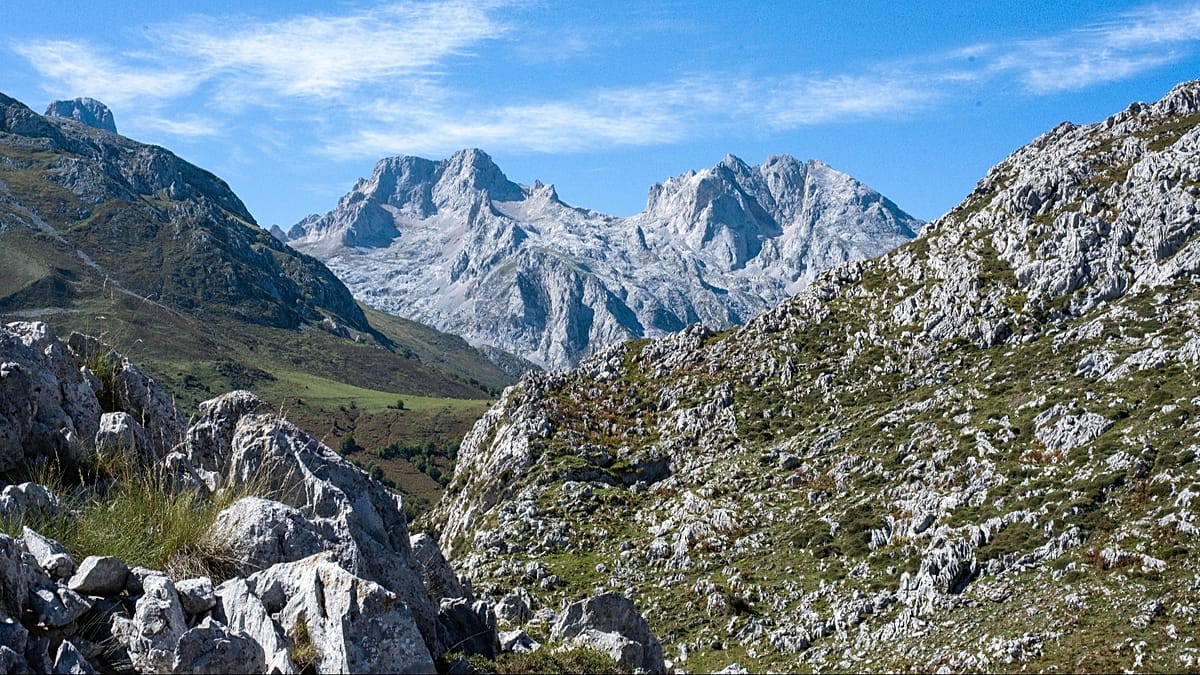
Highlights include the Pyrenees, the Picos de Europa, and the Sierra de Guadarrama national park near Madrid. Historic cities and small towns in Castilla are also being showcased, with Spain's high-speed rail network making these areas more accessible.
“We want all our destinations to be part of the solution,” he added.
The move comes as other European destinations grapple with overtourism. In a related development, Netherlands and Spain urge EU-wide social media age limit, reflecting broader concerns about social and environmental pressures. Spain's approach, however, is distinct in its emphasis on residents' well-being as a measure of success.
As Spain continues to break tourism records, the 2030 strategy signals a deliberate shift toward quality over quantity. Whether it can ease the strain on its most visited cities while revitalizing the interior remains to be seen, but the framework is now in place.