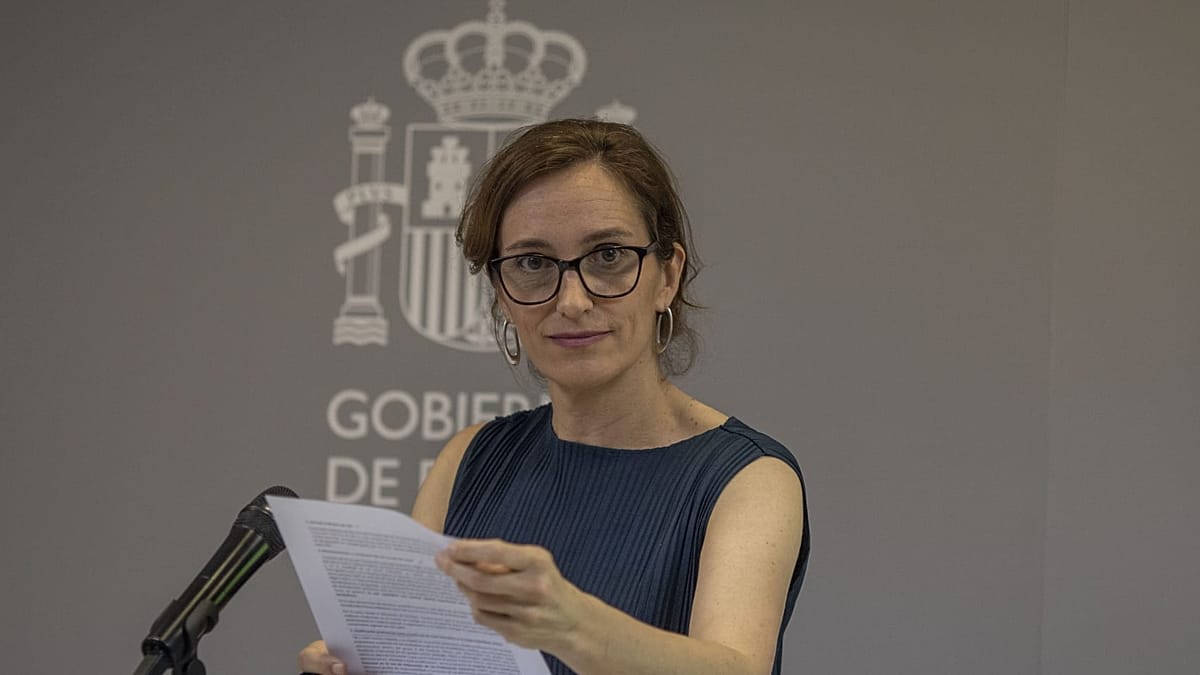
Spain's Council of Ministers has approved a long-awaited update to the Framework Statute for health and social care staff, the first revision in two decades. Health Minister Mónica García, an anaesthetist and member of the left-wing Sumar coalition, did not appear at the press conference announcing the decision. Instead, government spokesperson Elma Saíz defended the measure, arguing it has the backing of the main trade unions: SATSE-FSES, CC.OO., UGT, and CSIF.
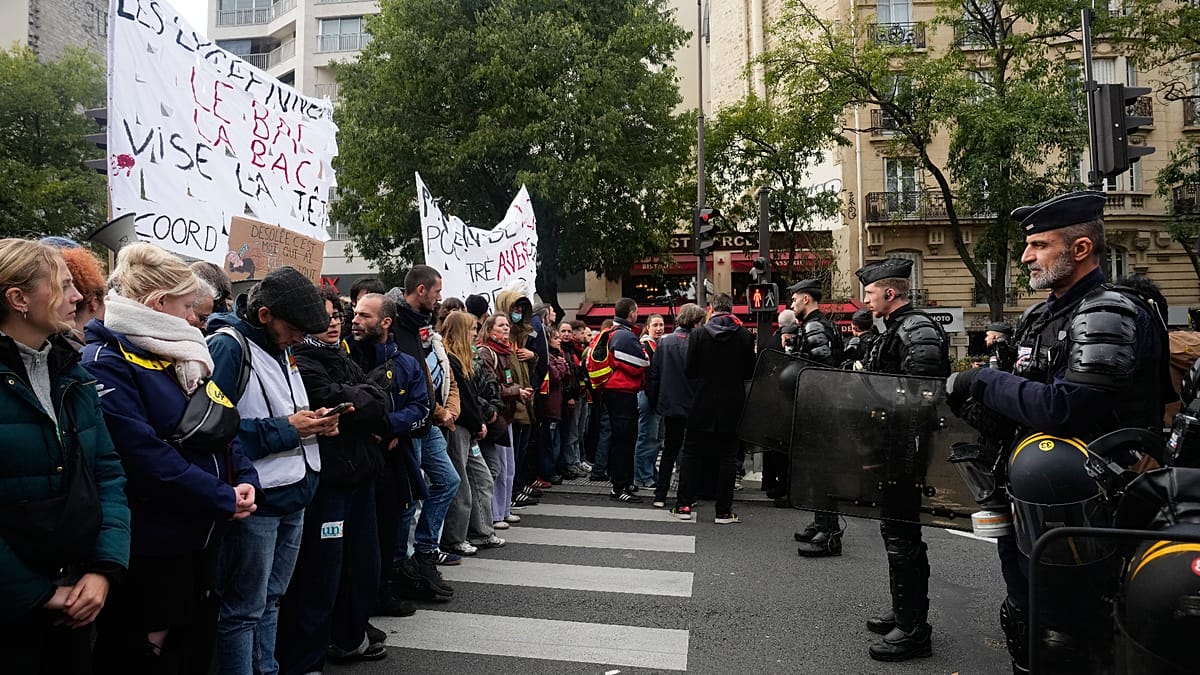
The reform comes after months of demonstrations that united doctors and health workers across the political spectrum. Critics, including unions such as CESM, SMA, Metges de Catalunya, AMYTS, SME, and O’MEGA, have called a new nationwide rally for 15 June at 12:00 in front of the Health Ministry in Madrid. They accuse the ministry of pursuing a strategy of 'delay, paralysis and a total lack of proposals'.
Key Provisions and Controversies
The new statute reduces the maximum weekly working time to 45 hours, below the European average for the sector. Labour Minister Yolanda Díaz had previously attempted to introduce a general cap of 37.5 hours per week for all workers, but that bill was rejected by right-wing parties in September. For on-call shifts, the maximum effective work time is set at 17 hours, down from the current 24. However, Article 97 of the draft bill includes a caveat: if adequate continuity of care cannot be guaranteed, and 'where there are organisational or care-related reasons that justify it, the maximum length of the working day may be exceeded'.
Health professionals are demanding several measures they say are missing from the reform. These include counting overtime from on-call shifts toward Social Security contributions, a night-work allowance, and guaranteed rest days after consecutive shifts—similar to provisions in agreements covering the National Police or prison staff. They also want a specific A1 professional category for doctors, a maximum 35-hour working week for morning shifts, voluntary and paid overtime, a voluntary early retirement scheme, and a ban on compulsory mobility.
Saíz argued that many of these demands now fall outside the ministry's remit. 'It is the autonomous communities that have powers over pay, staffing levels, the organisation of services and much of health professionals' working conditions,' she said. This decentralisation of healthcare responsibilities in Spain means that regional governments—such as those in Catalonia, Andalusia, or the Basque Country—will ultimately determine many of the conditions that workers are protesting about.
The statute also introduces provisions for statutory research staff and measures to support work-life balance, but these have done little to appease the protesters. The critical unions have scheduled a new nationwide strike for 15 June, escalating the conflict. The bill now requires approval from the Congress of Deputies, where the government's minority coalition faces an uncertain path.
This dispute highlights broader tensions across Europe over healthcare working conditions. In countries like Germany and France, similar debates have emerged about staffing shortages and burnout. The outcome in Spain could set a precedent for how other EU member states balance fiscal constraints with the demands of essential workers.