For many, the image of a pregnant woman lifting weights still raises eyebrows. Yet a growing number of gym-goers across Europe are doing exactly that, and new research from Spain suggests the practice may offer more than just muscle tone.
A randomized clinical trial published in Acta Obstetricia et Gynecologica Scandinavica found that structured strength training during pregnancy could reduce the likelihood of gestational diabetes and improve overall well-being. The study, led by Teresa E. Santa Cruz, MD, at Hospital Universitario Donostia in San Sebastián, followed 209 pregnant women who were overweight or had obesity.
How the study worked
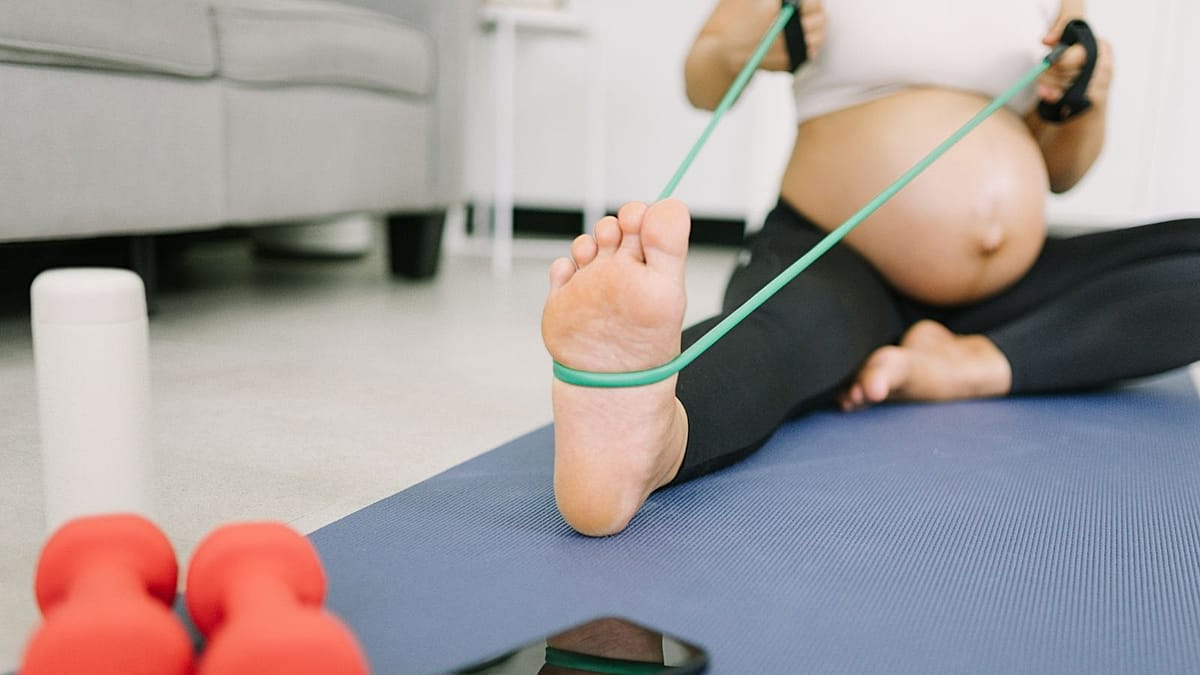
Participants were randomly assigned to either a supervised strength training program or standard prenatal care. The training began between weeks 12 and 14 of pregnancy and continued until week 36 or delivery. Women were encouraged to exercise three times a week, using light weights or resistance bands, with one session supervised and the rest done at home.
The results showed that 2% of women in the exercise group developed gestational diabetes, compared with 7.3% in the control group. Although this difference was not statistically significant, the researchers noted that among women who adhered to the program—training at least twice a week—none developed the condition. However, the authors caution that this was a small, exploratory subgroup, so the finding does not prove that exercise alone prevented diabetes.
Quality of life improvements
More striking were the effects on quality of life. Women in the strength training group reported significantly fewer pregnancy-related symptoms, including less anxiety, fatigue, and back or pelvic pain. These improvements were consistent and statistically robust.
Importantly, the exercise did not appear to increase the risk of complications. Rates of preterm birth and miscarriage were similar between the two groups, offering reassurance that strength training is safe for most pregnancies.
“Our findings suggest that adherence to a structured strength training program during pregnancy may help reduce the risk of gestational diabetes while also improving maternal well-being,” said Santa Cruz. She emphasized that further research is needed to confirm the results and to determine “how strength training can best be incorporated into routine prenatal care.”
The study adds to a growing body of evidence that physical activity during pregnancy is beneficial, yet many European health systems still offer limited guidance on resistance training. As more women seek to maintain fitness during pregnancy, the findings could influence prenatal care recommendations across the continent.
For expectant mothers in Spain, where the study was conducted, and elsewhere in Europe, the message is clear: with proper supervision, lifting light weights may be a safe and effective way to support both maternal health and the baby's development.