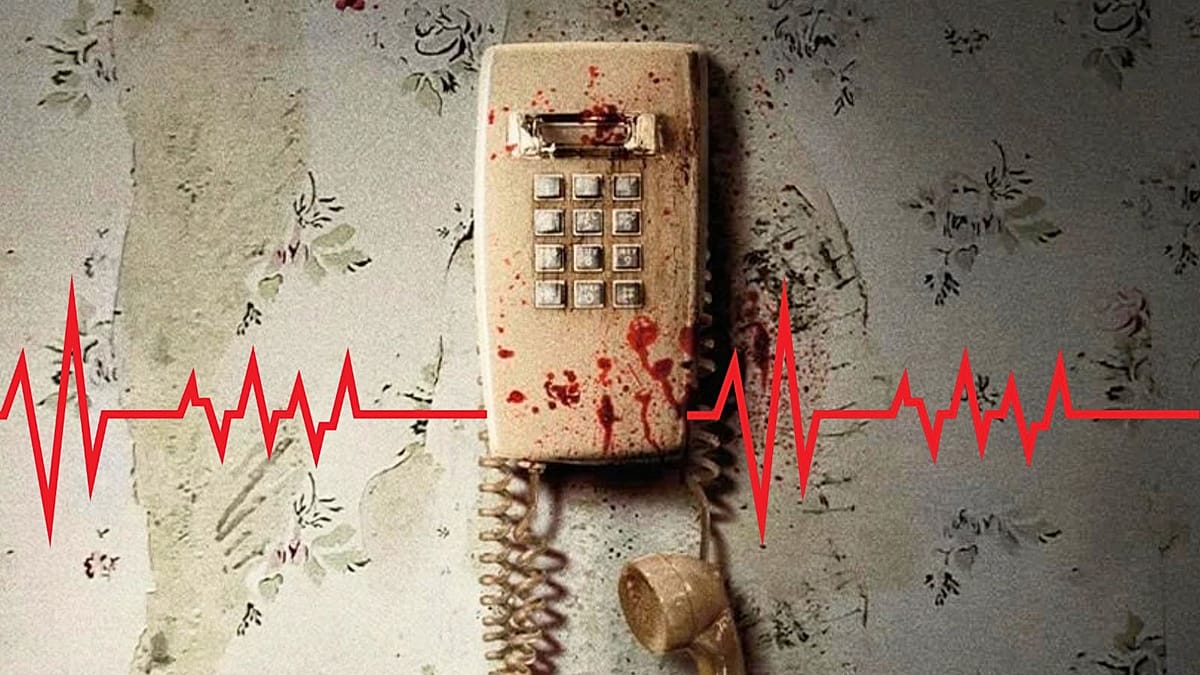
As Halloween approaches, many Europeans are deciding which horror films to watch for the spooky season. For those who prefer a data-driven approach, the Science of Scare Project—now in its seventh year—has released its annual ranking of the scariest movies, based on the physiological responses of hundreds of volunteers.
The project monitors heart rates (in beats per minute, BPM) and heart rate variability (HRV, measured in milliseconds) of participants as they watch English-language horror films. The resulting Scare Score combines these metrics, with peak heart rate playing a significant role in the final ranking.
This year, 15 new contenders, including the breakout hits Obsession and Backrooms, challenged established favorites but failed to crack the top 20. A24's paranormal podcast horror Undertone was named the scariest film of 2026, landing at position 33 overall.
Notably, the 2026 release Resident Evil broke a jump-scare record previously held by the film that had topped the chart for four consecutive years. Directed by Zach Cregger, it recorded a peak heart rate of 134 BPM—well above the normal resting range of 60 to 100 BPM for adults.
Sinister retains its crown
Despite the new record, the top spot remains with Scott Derrickson's 2012 supernatural horror Sinister. The film raised viewers' average heart rate by 34%, from 64 to 86 BPM, with its most terrifying moment reaching 131 BPM. Its blend of sudden shocks and lingering dread earned it a Scare Score of 96 out of 100.
The top 20 list is dominated by modern horror films that rely heavily on jump scares—a tactic that some critics dismiss as cheap and overused. As the study's methodology centers on heartbeats, it naturally favors films that deliver quick adrenaline spikes. However, many horror enthusiasts argue that a startle is not the same as a genuine scare, and that the most unsettling films work on a deeper, more psychological level.
The full rankings and methodology are available on the Science of Scare Project's website. For those interested in the broader science of fear, recent research has explored how speech patterns may signal early brain ageing, a reminder that our physiological responses can reveal much about our mental state.
While heart-rate data offers a valuable metric, it may not capture the long-term dread that defines the scariest films. As the debate continues, one thing is certain: Sinister remains a benchmark for measurable fright, and the 2026 Resident Evil has set a new standard for jump scares.
For those planning a horror marathon this Halloween, the list provides a scientifically grounded starting point—though personal tolerance for jump scares will ultimately determine what truly terrifies.