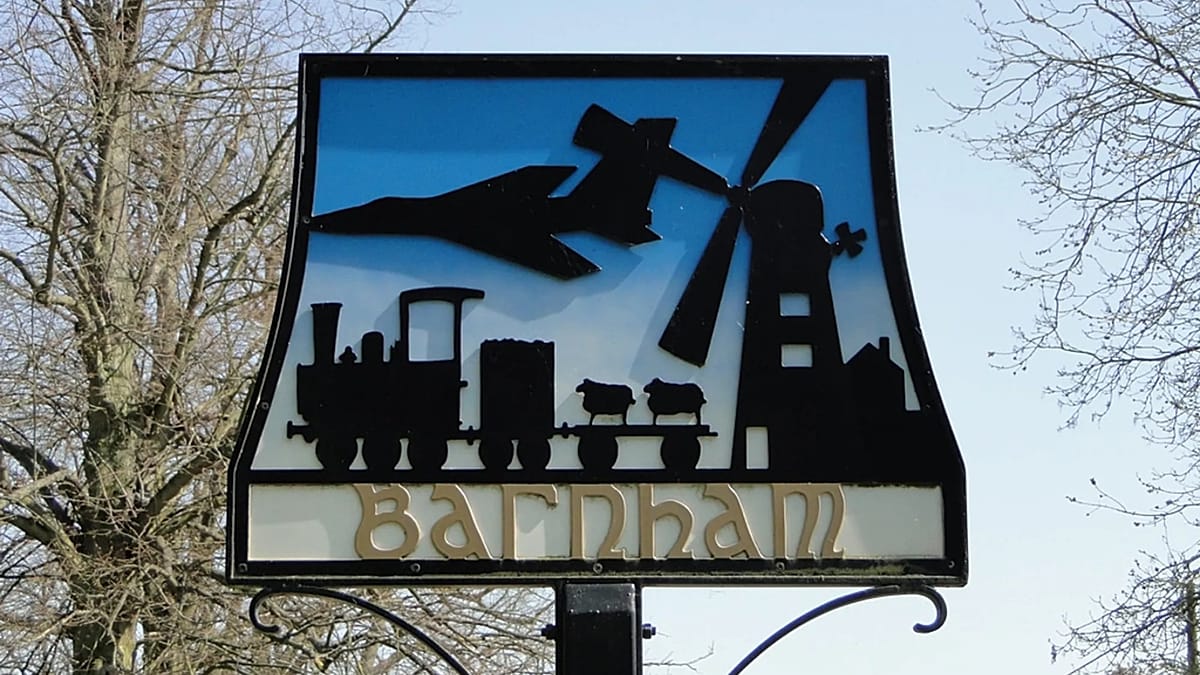
In a striking display of local discontent, the village of Barnham in Suffolk has voted overwhelmingly in favour of a symbolic bid to leave the United Kingdom, in protest at government proposals to house hundreds of asylum seekers at a nearby former military site. The non-binding referendum, held on Saturday, saw 257 votes in favour of seeking a special status akin to that of the Crown Dependencies of Jersey, Guernsey and the Isle of Man, with just 16 against and one spoiled ballot. Around 500 residents were eligible to take part.
While the vote carries no legal weight and does not mean Barnham can secede from the UK or acquire Crown Dependency status, it underscores the depth of feeling in the community. Any such change would require formal agreement and constitutional action by the UK authorities, making the outcome purely symbolic.
Background to the protest
The former Royal Air Force base at Barnham has been identified as a potential site to accommodate approximately 930 asylum seekers while their claims are processed. The UK government has been seeking to move away from using hotels and towards former military sites as part of its asylum accommodation strategy. However, no final decision has been made on the use of RAF Barnham, according to officials.
The Home Office has stressed that, should the plans proceed, it would work closely with local authorities and Suffolk Police to ensure the safety and security of the community. It also pointed to the example of Wethersfield in Essex, where male asylum seekers have been accommodated since July 2023, saying there was “no evidence of rising crime in the area”.
A Home Office spokesperson said the government was pursuing a fairer distribution of asylum accommodation across the country and had saved more than £1bn (approximately €1.19bn) in costs since the general election. The plans include closing all asylum hotels and relocating people to alternative accommodation, including former military sites. The proposed facilities would be self-contained and equipped with round-the-clock security and CCTV to minimise the impact on surrounding communities.
Residents, however, argue they were not adequately consulted about a development that could have a significant impact on their small community. The protest in Barnham echoes a similar vote in Piddington, Oxfordshire, in September, where residents also backed a symbolic move to leave the UK over plans to house more than 1,000 asylum seekers at a nearby former military base.
These localised protests reflect a broader European debate about migration and asylum policy. Across the continent, governments are grappling with how to manage asylum seekers and refugees, with some turning to return hubs and external processing as a pragmatic, if controversial, solution. The UK's approach of using former military sites is part of this wider trend, though it has sparked resistance in rural communities that feel their concerns are being ignored.
The symbolic nature of the Barnham vote may not change government policy, but it sends a clear message about the challenges of implementing asylum accommodation plans in areas with limited infrastructure and strong local identities. As the UK continues to develop its asylum strategy, such community pushback is likely to remain a recurring theme.