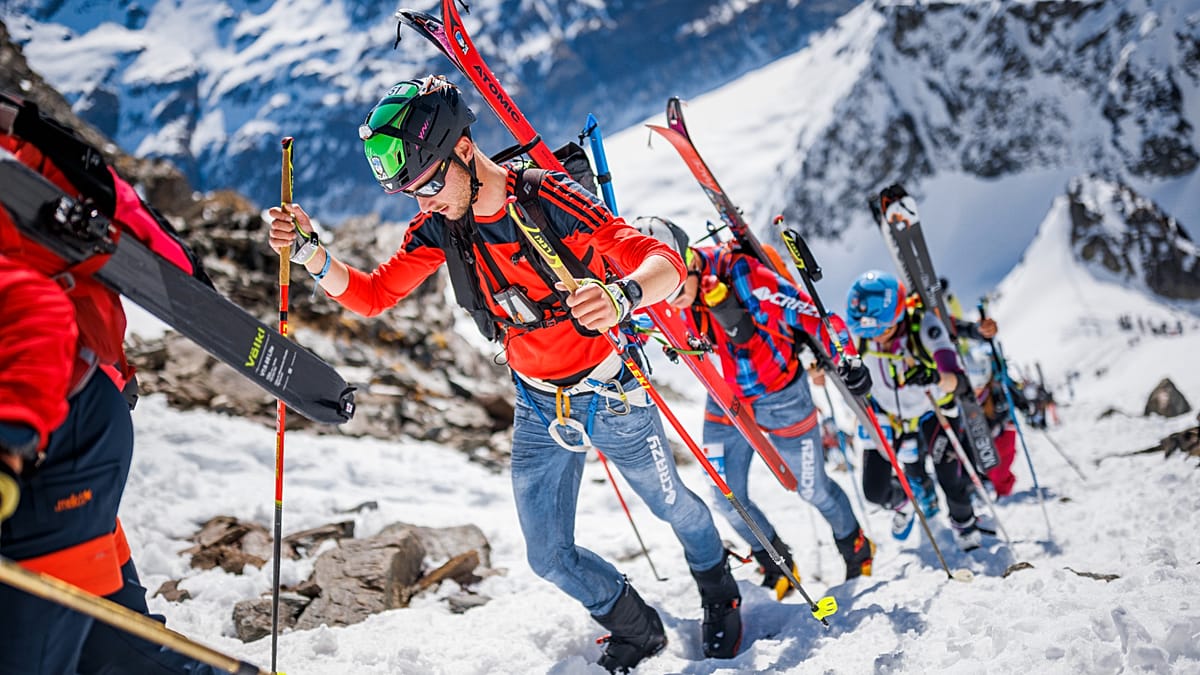
As a severe heatwave sweeps across France, hundreds of skiers have flocked to the Grande Motte glacier in Tignes, seeking respite from the scorching temperatures on the slopes. The glacier, one of the few remaining summer skiing destinations in the Alps, is experiencing accelerated melting, underscoring the broader impact of climate change on European mountain ecosystems.
Glacier Skiing in a Warming Climate
The Grande Motte glacier, located in the Savoie region of the French Alps, typically offers skiing from June to August. However, this year's heatwave, which has pushed temperatures above 40°C in parts of the country, has led to a surge in visitors eager to enjoy the snow while it lasts. The glacier has seen a 30% increase in skier numbers compared to the same period last year, according to local tourism officials.
“We’ve never seen anything like this,” said Jean-Pierre Lefèvre, a ski instructor in Tignes. “People are coming from all over Europe—Paris, Lyon, even Milan—to escape the heat. But the glacier is shrinking fast. We’re losing about 10 centimeters of ice per day.”
The heatwave has also forced the closure of several ski lifts and runs on the glacier due to safety concerns, as crevasses become more exposed. The situation mirrors broader challenges across the Alps, where glaciers have lost an average of 30% of their volume since 2000, according to the European Environment Agency.
Heatwave Strains Infrastructure
The heatwave has not only affected tourism but also critical infrastructure. France has shut down three nuclear reactors as cooling regulations are strained by the high temperatures, raising concerns about energy supply. Meanwhile, June heatwaves have been linked to over 10,000 excess deaths across Europe, highlighting the public health risks.
In Paris, landmarks have closed early as the city grapples with its third heatwave of the summer. The Eiffel Tower and the Louvre have both adjusted their hours to protect visitors and staff from the heat.
The heatwave has also sparked wildfires, including a major blaze in the Fontainebleau forest south of Paris, which has burned over 500 hectares of woodland.
Economic and Environmental Implications
The influx of skiers to Tignes has provided a temporary boost to the local economy, but experts warn that the long-term viability of summer skiing in the Alps is under threat. “Glacier skiing is a niche but important part of Alpine tourism,” said Dr. Anna Müller, a glaciologist at the University of Innsbruck. “But as temperatures rise, these glaciers will continue to retreat. We’re seeing the end of an era.”
The French government has announced a €50 million fund to support mountain communities in adapting to climate change, including investments in artificial snowmaking and diversification of tourism offerings. However, critics argue that such measures are insufficient to address the scale of the challenge.
“We need to rethink our relationship with the mountains,” said Sophie Durand, a spokesperson for the environmental group Alpine Action. “Instead of trying to preserve skiing at all costs, we should be promoting sustainable tourism that respects the natural environment.”
For now, skiers continue to flock to the Grande Motte glacier, enjoying a fleeting taste of winter in the midst of a sweltering summer. But the melting ice serves as a stark reminder of the changes underway across Europe’s alpine regions.