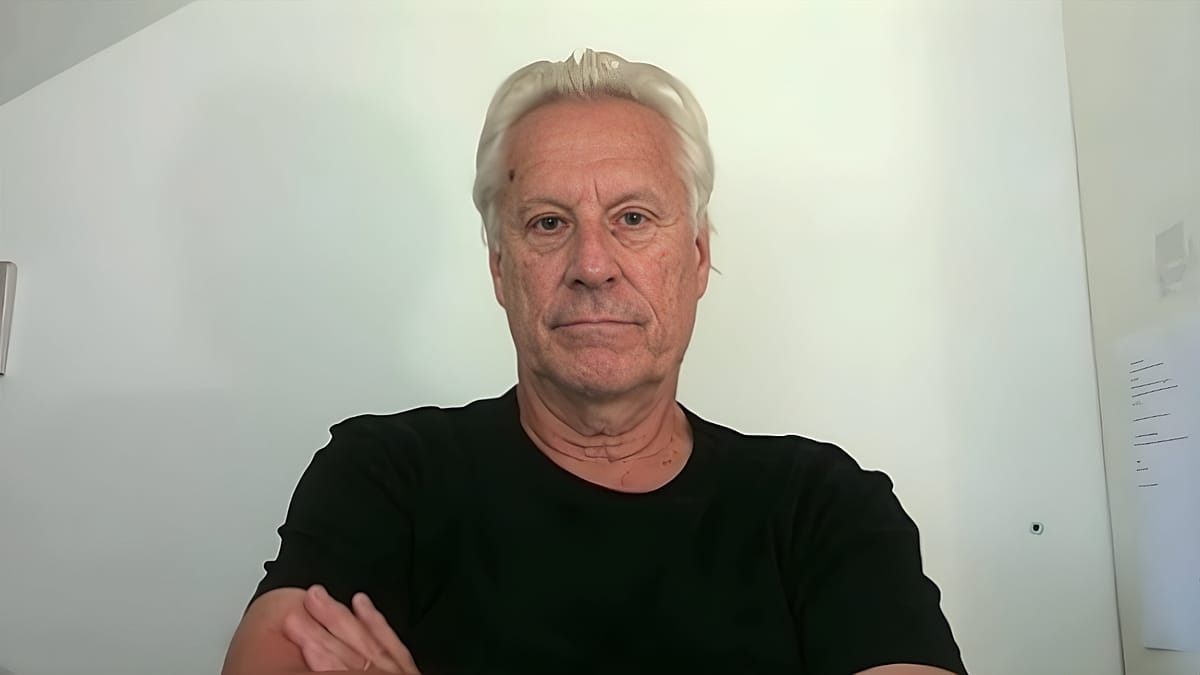
Sweden's political landscape is set for a period of turbulence after the Social Democrats emerged victorious in the recent election, according to Lars Trägårdh, Professor of History at Ersta Sköndal University College in Stockholm. He cautioned that the party will need to assemble a "very unwieldy coalition" to govern effectively, describing the situation as "very messy".
The election result, which saw the centre-left edge ahead by a single seat, has left the country in a delicate position. The Social Democrats, led by Magdalena Andersson, must now navigate a fragmented parliament where no bloc holds a clear majority. Trägårdh's assessment underscores the challenges ahead, as the party seeks to balance its traditional base with the need to appeal to centrist voters.
A government undone by its own success
Trägårdh argued that the outgoing right-wing administration, headed by Prime Minister Ulf Kristersson, has been "a victim of its own success". Despite its reliance on the far-right, anti-immigration Sweden Democrats, the government managed to push through significant reforms that have resonated with the electorate. "Swedes now appear to be seeking to give the country a 'kinder face'," he noted, suggesting a shift in public sentiment.
Voters, he explained, want to "keep in place" the reforms carried out under Kristersson, particularly in areas like crime and integration, while also restoring Sweden's image as a "moral superpower that they have been in the past". This dual desire creates a complex mandate for the incoming government, which must reconcile these seemingly contradictory expectations.
The election campaign was marked by intense debates over healthcare, with promises colliding with the reality of workforce shortages. As our analysis of healthcare promises showed, the next government will have to address systemic issues that have long been deferred.
Coalition arithmetic and the far right
The Social Democrats' path to a majority is fraught with difficulty. They will likely need the support of the Left Party and the Centre Party, each with its own red lines. The Sweden Democrats, who have eyed a historic role in government, remain a potent force on the right, and their influence is unlikely to wane. As our election coverage highlighted, the far right's ambitions are far from over.
Trägårdh's warning of a "very messy" situation reflects the broader uncertainty. The previous government's dependence on the Sweden Democrats has already tested the country's political norms, and the new coalition will face similar pressures from the opposite side of the spectrum.
Sweden's international standing
Beyond domestic politics, the outcome has implications for Sweden's role in Europe and the world. The country has long positioned itself as a moral leader, championing human rights and international solidarity. Trägårdh suggests that voters are keen to reclaim that mantle, even as they endorse the pragmatic reforms of the right.
This tension is not unique to Sweden, but it is particularly acute here given the country's history of progressive internationalism. The new government will need to balance these aspirations with the realities of a fragmented parliament and a demanding electorate.
As the coalition talks begin, all eyes will be on Stockholm. The coming weeks will reveal whether the Social Democrats can forge a stable government or whether Sweden is in for a period of political paralysis. For now, Trägårdh's cautionary words serve as a reminder that elections are often the beginning, not the end, of the story.