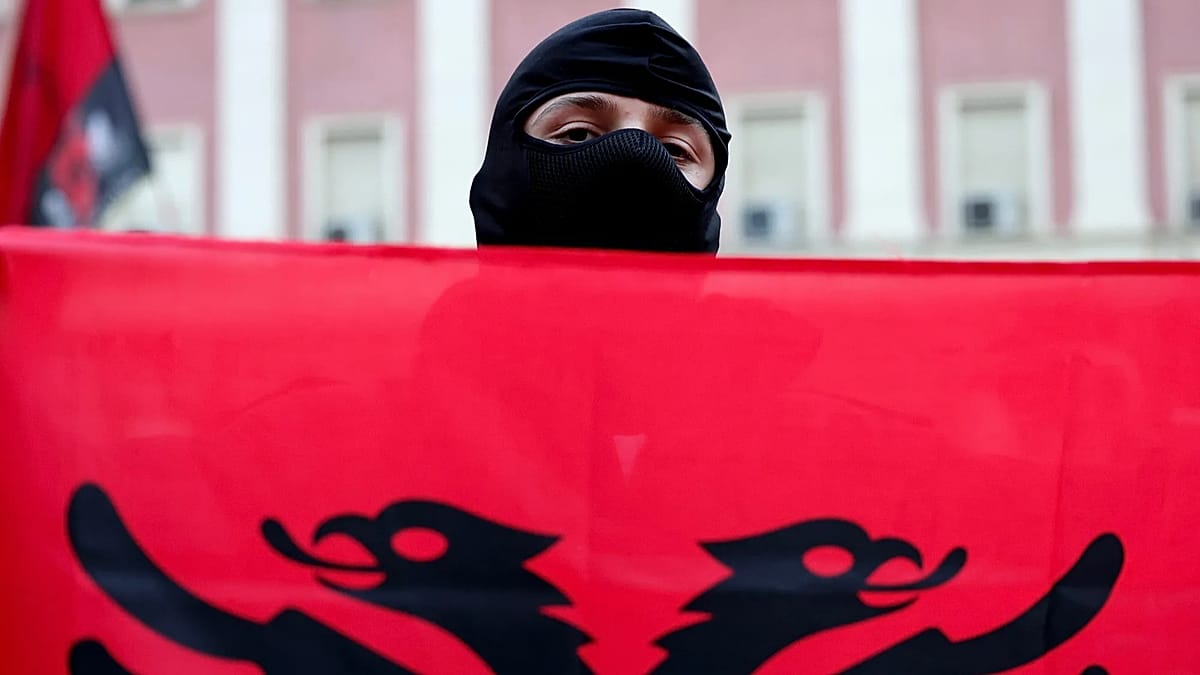
TIRANA — Albania's government has introduced steep fines for anyone present at demonstrations that escalate into violence, a move aimed at curbing months of anti-government protests that have rocked the capital. The new rules, announced on Wednesday, impose penalties of up to 500,000 leks (€5,500) — more than five times the average monthly salary — on individuals who remain in a crowd engaged in violent acts, looting, or concealing their identity.
The measures take effect immediately but must be approved by parliament within 45 days to remain in force. Prime Minister Edi Rama's government argues they are necessary to prevent property damage and protect public order, but critics say they could deter peaceful protest and penalize innocent bystanders.
Protests rooted in corruption and inequality
The unrest began in May as a peaceful movement against a luxury hotel project in a protected nature reserve, linked to the family of US President Donald Trump. By mid-October, the protests had broadened to include grievances over alleged corruption, a struggling healthcare system, and limited opportunities for young people in this nation of 2.3 million.
Official estimates put the cost of damage from protests since mid-October at over €2 million. More than 350 people have been injured in clashes between demonstrators and police, who have used tear gas and water cannons to disperse crowds.
The leaderless movement has drawn thousands to the streets of Tirana, with daily rallies demanding Rama's resignation. On Sunday, Rama said he had drawn inspiration from a French bill that would hold protesters financially responsible for damage — a proposal that has itself sparked controversy in France.
European context and comparisons
Albania's move echoes a broader European trend of tightening protest regulations. In France, a bill passed by the Senate would require protesters to pay up to €10,000 for damages. In Italy, a new security decree introduces prison sentences of four to twelve years for organizing groups involved in violent demonstrations.
These measures come as protests erupt across Europe over pensions, housing, and corruption, from Lisbon to Rome. In Italy, nationwide protests over living costs have turned tense in several cities, while Lisbon housing protests have reached parliament, drawing scrutiny of police tactics.
Critics in Albania argue that the new fines are disproportionate and could be used to silence dissent. "This is an attempt to criminalize peaceful assembly," said Arta Marku, a Tirana-based lawyer. "The law targets not just those who commit violence, but anyone who happens to be in the wrong place at the wrong time."
The government defends the measures as a necessary tool to prevent the destruction of public and private property. Interior Minister Taulant Balla said in a statement that "the state has a duty to protect citizens and businesses from a minority that uses protests as a cover for vandalism."
The new rules also allow police to temporarily restrict gatherings near schools, healthcare facilities, and government buildings if they deem there is a risk of violence. Penalties for inciting violence online are also introduced, along with a compensation mechanism for small businesses damaged during protests.
As the protests continue, the balance between public order and the right to protest remains a contentious issue — not just in Albania, but across the continent. The coming weeks will test whether these measures calm the streets or further inflame them.