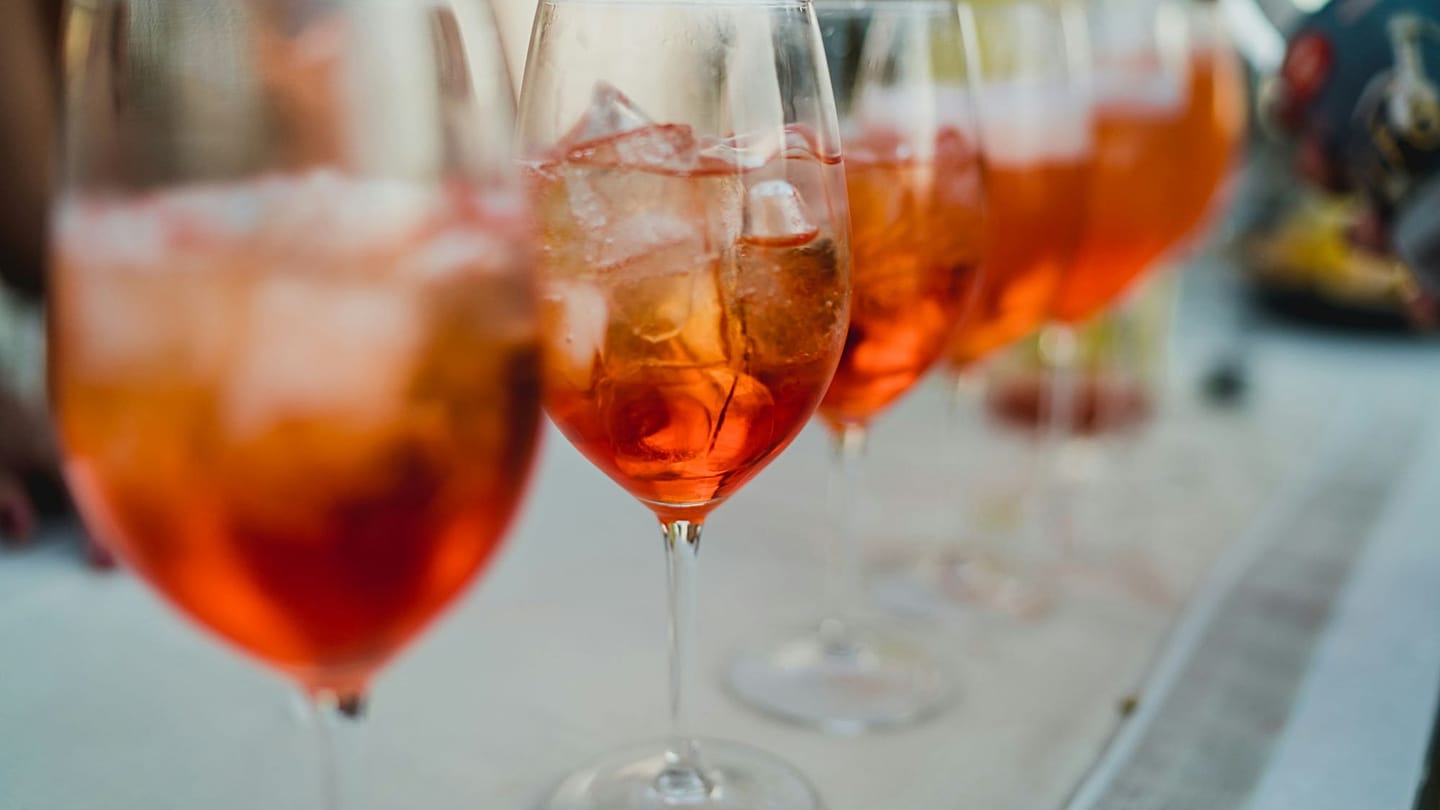
For many visitors to Europe, the Aperol Spritz is more than just a drink—it's a ritual. The bright orange blend of Aperol, Prosecco, and soda water, served over ice with a slice of orange, has become synonymous with leisurely afternoons in piazzas and along canals. But the price of this simple pleasure varies dramatically across the continent. A new informal index, dubbed the 'Aperol Spritz Index,' offers a practical guide for travelers seeking an affordable aperitivo without sacrificing the experience.
How the Index Works
The index, compiled by travel analysts and local price trackers, measures the average cost of a standard Aperol Spritz (typically 200 ml) in popular bars and cafes across major European cities. The data, collected in early 2025, reveals a clear north-south and east-west divide. Unsurprisingly, cities in Southern and Central Europe offer the best value, while Nordic and Western capitals command premium prices.
At the top of the affordability list is Zagreb, where a Spritz costs around €4.50. The Croatian capital's vibrant cafe culture and relatively low cost of living make it a prime destination for budget-conscious travelers. Close behind are Lisbon (€5.00) and Porto (€5.20), where the drink is often served with a local twist, sometimes using vinho verde instead of Prosecco. Budapest and Prague also rank well, with prices hovering around €5.50, reflecting their status as affordable city-break favorites.
In Italy, the birthplace of the Spritz, prices vary. Milan and Rome average €7.00 to €8.00, while smaller towns like Bologna or Padua can be cheaper. Venice, where the drink was popularized, is surprisingly moderate at around €8.50, though tourist-trap bars near St. Mark's Square can charge double that.
The Pricey End of the Spectrum
At the other end, Paris leads the expensive list, with an average Spritz costing €12.00. The French capital's high rents and tourism demand drive up prices, especially in the Marais and Saint-Germain-des-Prés. London follows closely at €11.50, though the weak pound against the euro offers some relief for visitors from the eurozone. Zurich and Geneva are also costly, at €10.00 and €11.00 respectively, reflecting Switzerland's general high cost of living.
Scandinavian cities like Stockholm, Copenhagen, and Oslo fall in the mid-to-high range, typically €9.00 to €10.50, due to high alcohol taxes and labor costs. However, the quality of ingredients and service often justifies the price for many visitors.
Practical Tips for Travelers
The index is not just about cost—it's about value. A cheap Spritz in a tourist-heavy square may be watery or poorly mixed. The best experiences often come from local enotecas or bacari (wine bars) in less central neighborhoods. In Berlin, for example, a Spritz costs around €6.50 in Kreuzberg, but can be €9.00 in Mitte. Similarly, in Barcelona, avoid the Ramblas and head to Gràcia or El Born for a better deal.
For those planning a European trip, the index serves as a useful proxy for overall city costs. As one travel analyst noted, "The Aperol Spritz is a great equalizer—it's a simple, widely available drink that reflects local economic realities."
Beyond the drink itself, the index highlights broader trends in European tourism. Cities like Zagreb and Lisbon are increasingly popular for their affordability and authentic experiences, while traditional hubs like Paris and London remain aspirational but expensive. For travelers seeking a balance, Madrid (€6.00) and Vienna (€6.50) offer excellent value in culturally rich settings.
Ultimately, the Aperol Spritz Index is a reminder that Europe's diversity extends to its prices. Whether you're sipping a €4.50 Spritz in a Zagreb cafe or splurging on a €12 version in a Parisian bistro, the ritual remains the same: a moment of relaxation, a taste of the local scene, and a toast to the continent's enduring appeal.