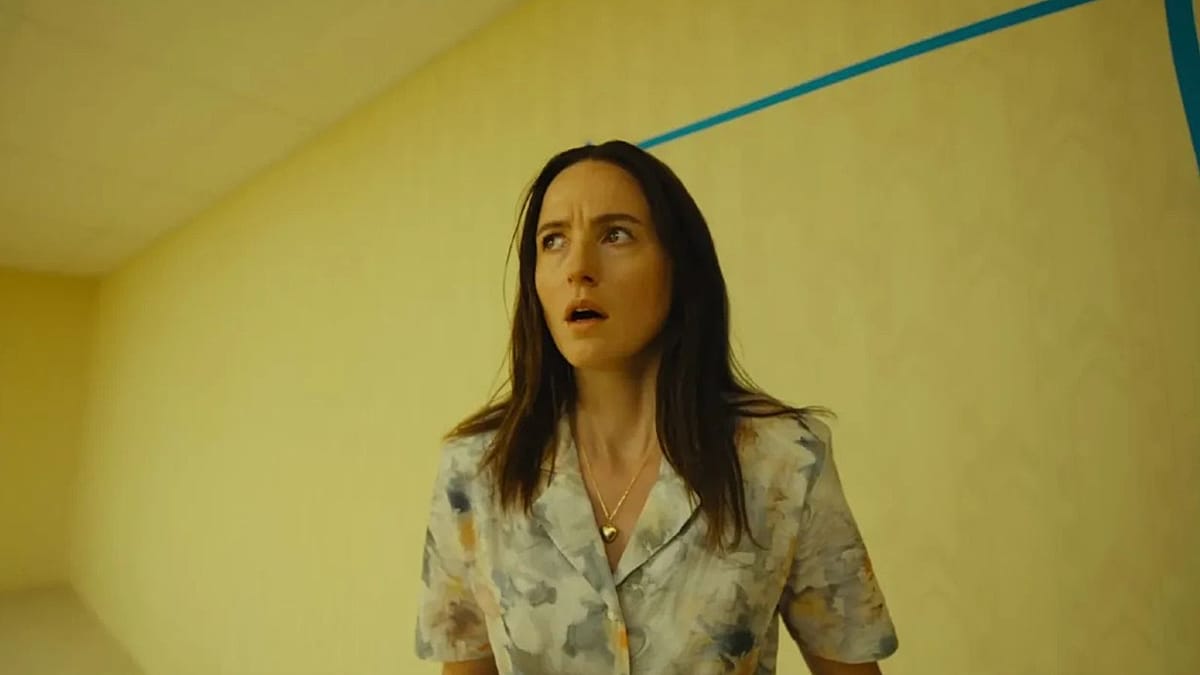
In 2019, an anonymous user on 4chan posted a single image: a windowless room with sickly yellow walls, worn carpet, and the hum of fluorescent lights. The caption warned of 'noclipping out of reality' into a dimension of endless, empty chambers. That image became the Backrooms, a cornerstone of internet horror. Now, seven years later, A24—the studio behind Moonlight and Everything Everywhere All At Once—is bringing it to the big screen, directed by 20-year-old YouTuber and VFX artist Kane Parsons, known as Kane Pixels.
What Are the Backrooms?
The Backrooms are a liminal hellscape: a seemingly infinite network of monotonous, yellow-tinted rooms and corridors. The original 4chan post described 'the stink of old moist carpet, the madness of mono-yellow, the endless background noise of fluorescent lights at maximum hum-buzz.' It's a space that feels both familiar and deeply wrong—a concept that has resonated with millions. Parsons' YouTube shorts on the Backrooms went viral, amassing hundreds of millions of views, and now his feature-length debut is one of the most anticipated horror films of 2026.
The film follows therapist Dr. Mary Kline, played by Renate Reinsve (recently seen in Sentimental Value and the Palme d'Or winner Fjord), as she searches for her missing patient, failed architect Clark (Chiwetel Ejiofor). In the teaser trailer, Ejiofor's character says, 'I found a place. It's massive in there. It just goes on, and on, and on... All these rooms. It builds them. Actually, more like it remembers them.'
Liminal Spaces: The Psychology Behind the Horror
The term 'liminality' comes from the Latin limen, meaning 'threshold.' In architecture, psychology, and anthropology, it describes transitional states or spaces—like hotel hallways, airport gates, or empty shopping malls. These environments are neither fully familiar nor alien, creating a sense of unease. The Backrooms tap into this by presenting spaces that are mundane yet off-kilter, evoking a nostalgia that is unsettled by emptiness and the implied threat of a lurking presence.
This genre of liminal horror has gained traction in recent years. The 2024 film I Saw The TV Glow and the Japanese psychological horror Exit 8 (based on a 2023 video game) both explore similar themes. Exit 8, directed by Genki Kawamura, follows a protagonist navigating a looping, near-deserted metro station, avoiding anomalies to survive. These films prove that liminal horror relies on subtlety and atmosphere rather than cheap jump scares.
Parsons' approach could elevate the genre further. By toying with the uncanny nature of contemporary architecture, he aims to tap into modern anxieties: loneliness, the labyrinthine patterns of one's own mind, and existential dread. The result may be a film that, like The Blair Witch Project or the series Severance, disorients viewers and leaves them questioning reality.
For European audiences, the Backrooms phenomenon also resonates with a broader cultural fascination with liminality. From the eerie corridors of Paris's Métro to the abandoned shopping centres of Eastern Europe, the continent is rich with spaces that feel suspended in time. The film's success could further spotlight this aesthetic, which has already inspired artists and filmmakers across Europe.
As A24's youngest director, Parsons has a promising path ahead. The studio's backing, combined with a strong cast and a built-in internet fanbase, positions Backrooms as a potential breakout hit. Whether it will redefine horror remains to be seen, but the odds are in its favour.