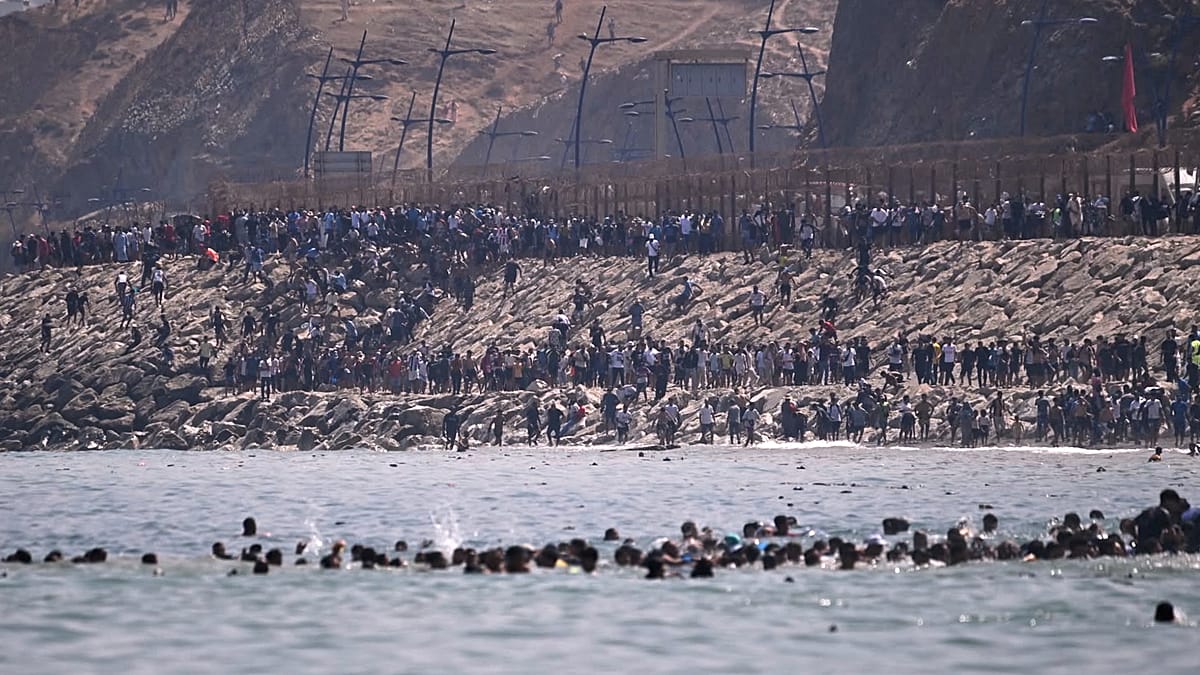
In a dramatic surge along Europe's southern border, thousands of migrants entered the Spanish enclave of Ceuta from Morocco on [date], prompting local officials to declare a state of emergency and request military support from Madrid. The influx, which unfolded over a matter of hours, has stretched the enclave's reception capacities to breaking point and reignited debates about migration management across the European Union.
Ceuta's plea for national help
Ceuta's regional government, led by the Popular Party's Juan Jesús Vivas, issued an urgent appeal to the Spanish central government, describing the situation as "critical" and calling for the activation of a national emergency protocol. The request includes the deployment of military personnel to assist with border control and the management of the arriving migrants, many of whom are reported to be in need of medical attention.
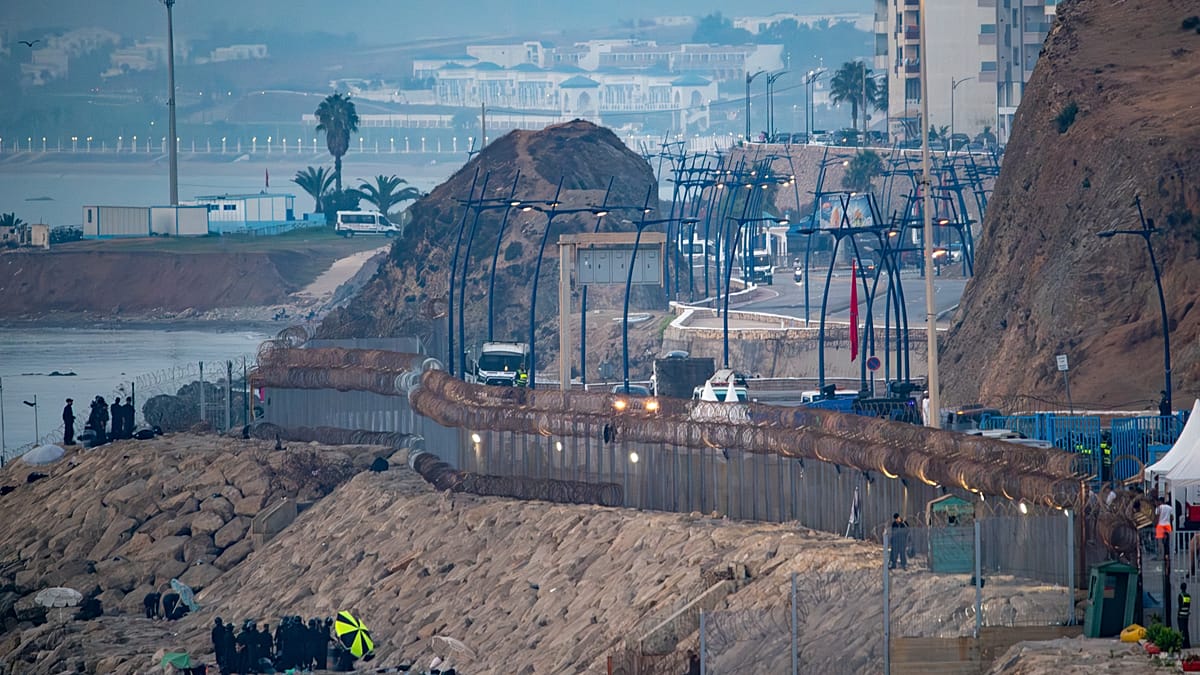
Videos circulating on social media show large groups of people, including families with young children, wading through shallow waters along the coastline or climbing over the border fence. The Spanish government has confirmed that the Guardia Civil and National Police have been reinforced, but local authorities argue that additional resources are essential to prevent a humanitarian crisis.
The Spanish interior ministry has not yet declared a formal state of emergency, but Prime Minister Pedro Sánchez's office stated that the government is "closely monitoring" the situation and coordinating with local authorities. The ministry also confirmed that talks with Moroccan officials are underway to address the root causes of the sudden movement.
A recurring pressure point
Ceuta and its sister enclave Melilla have long been flashpoints in Europe's migration landscape. Their geographical position on the African continent, just a short swim from Moroccan shores, makes them vulnerable to sudden mass crossings. This is not the first time the enclave has been overwhelmed; in May 2021, around 8,000 people entered Ceuta in a single day, leading to a diplomatic crisis between Spain and Morocco.
That earlier episode ended with Spain and Morocco agreeing to the urgent return of most of the migrants, but the underlying pressures remain. Human rights organisations have repeatedly criticised the use of pushbacks and the lack of legal pathways for asylum seekers, while Moroccan authorities have sometimes been accused of using migration as a political lever in bilateral disputes.
The current surge comes at a delicate moment for EU-Morocco relations, which have improved since the 2022 rapprochement that saw Spain endorse Morocco's autonomy plan for Western Sahara. Analysts suggest that the timing of the crossings may be linked to internal Moroccan politics or to a desire to pressure Spain on other issues, though no official statement has been made by Rabat.
European dimension
The crisis in Ceuta is not merely a Spanish affair; it resonates across the European Union, which has been grappling with how to manage its external borders while upholding humanitarian obligations. The European Commission has offered technical and financial assistance to Spain, and EU leaders have expressed solidarity with the Spanish government.
However, the episode also highlights the limitations of the EU's migration policies. The bloc's proposed New Pact on Migration and Asylum, still under negotiation, aims to create a more predictable and fair system, but critics argue that it relies too heavily on externalising border control to countries like Morocco. The situation in Ceuta underscores the urgent need for a comprehensive approach that addresses both security and human rights.
For the migrants themselves, many of whom are from sub-Saharan Africa, the journey to Ceuta is fraught with danger. They often endure months of hardship, including exploitation and violence, before reaching the border. Once in the enclave, they face an uncertain future, with many hoping to be transferred to mainland Spain or other EU countries.
Local NGOs in Ceuta have reported that the reception centre, designed for a few hundred people, is now housing several thousand. Volunteers have been distributing food, water, and clothing, but resources are scarce. "We are doing what we can, but this is beyond our capacity," said a spokesperson for one aid group, speaking on condition of anonymity.
The Spanish government has announced that it will set up temporary accommodation facilities and is working with the Red Cross and other organisations to provide basic services. Meanwhile, the military's involvement, if approved, would mark a significant escalation in the response, echoing similar deployments during the 2021 crisis.
As the situation develops, the eyes of Europe are on Ceuta. The enclave's fate will test the EU's commitment to solidarity and its ability to manage migration in a humane and orderly manner. For now, the immediate priority is to ensure the safety and dignity of those who have arrived, while preventing further loss of life at the border.