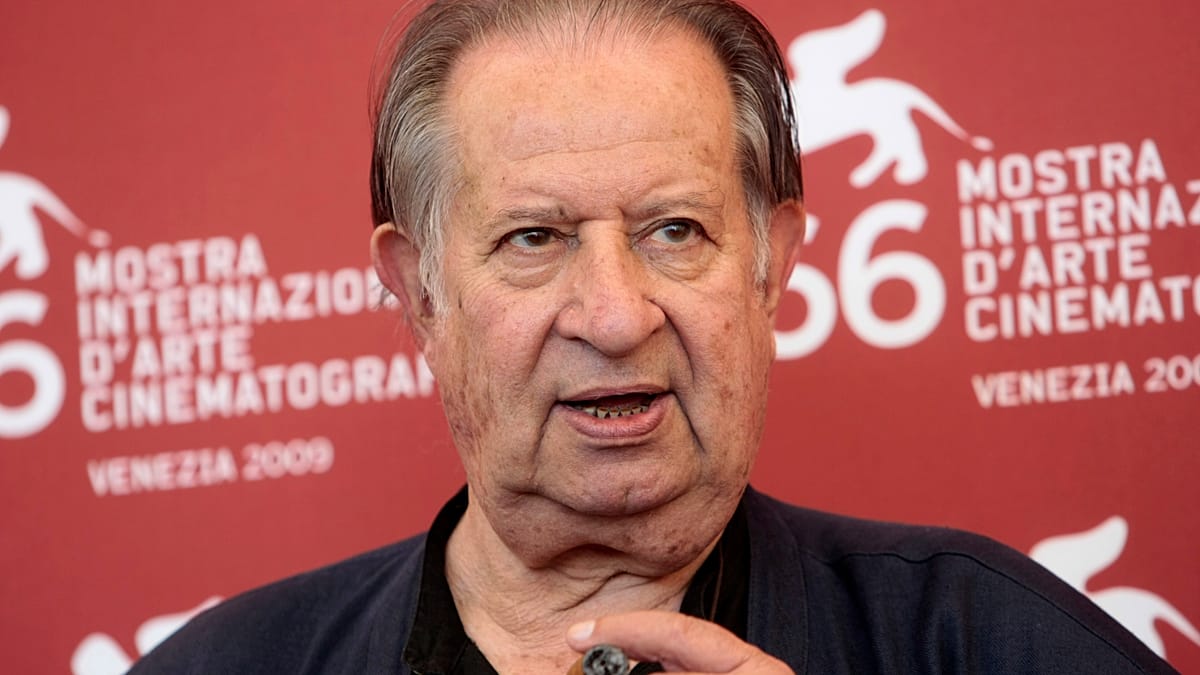
Tinto Brass, the Italian director who turned erotic cinema into a provocative art form, has died in Rome at the age of 93. His wife, Caterina Varzi, confirmed the news, describing a moment of “deep sadness and regret.” Brass, who lived in the Isola Farnese district on the city's outskirts, leaves behind a legacy that spanned more than half a century and reshaped how European cinema approached desire on screen.
Born in Milan on 26 March 1933, Brass initially trained in law before moving to Paris, where he discovered cinema through editing at the Cinémathèque. Returning to Italy, he worked with Roberto Rossellini as an editor on L'India vista da Rossellini and as assistant director on Il Generale della Rovere. His own directorial debut came in 1963 with In capo al mondo, a film about youth unrest that ran into censorship. He retitled it Chi lavora è perduto, but continued to explore experimental narratives and uncomfortable themes in works like Col cuore in gola, L'urlo, Nerosubianco, and La vacanza.
From Rossellini to eroticism
The shift to erotic cinema took shape in the 1970s. In 1975, Brass directed Salon Kitty, a film that examined the intersections of sex, power, and money. Four years later came Caligola, a production plagued by legal battles and obscenity seizures, yet it became a cult touchstone. The 1980s brought his most famous works: La chiave with Stefania Sandrelli, Miranda with Serena Grandi, and Capriccio with Francesca Dellera. After a brief detour with Snack Bar Budapest, he returned to the genre with Paprika, Così fan tutte, L'uomo che guarda (based on Alberto Moravia's novel), Fermo posta Tinto Brass, Monella, Senso '45, Fallo!, and Monamour.
Beyond directing, Brass acted, collaborated with Penthouse, and published a booklet titled Elogio del culo. His work often sparked debate, but he consistently defended it as a celebration of Eros and a liberation from inhibition. In a 1991 photo, he appeared with porn star Moana Pozzi, a symbol of his crossover appeal.
Final farewell in Venice
Last September, Brass had hoped to attend the Venice Film Festival for the 4K restoration of Col cuore in gola, but a fever and declining health prevented the trip. His wife read a message he had written: “There is no starting point and no end point, there is only the point where I am.” He thanked the Biennale and the Centro Sperimentale di Cinematografia for their restoration work. On that occasion, he received the Pietro Bianchi Award from the National Union of Italian Film Journalists, saying, “I, who have always given little weight to official recognition, will hold on tight to this one, there will be no other opportunity.”
Brass had expressed one last wish on his 90th birthday: to have his ashes scattered in the Venice lagoon. That wish may now accompany his final journey. His death marks the end of an era for Italian cinema, one that challenged conventions and celebrated the human body with unapologetic flair. As Europe reflects on his legacy, his films remain a testament to a director who never shied from controversy.