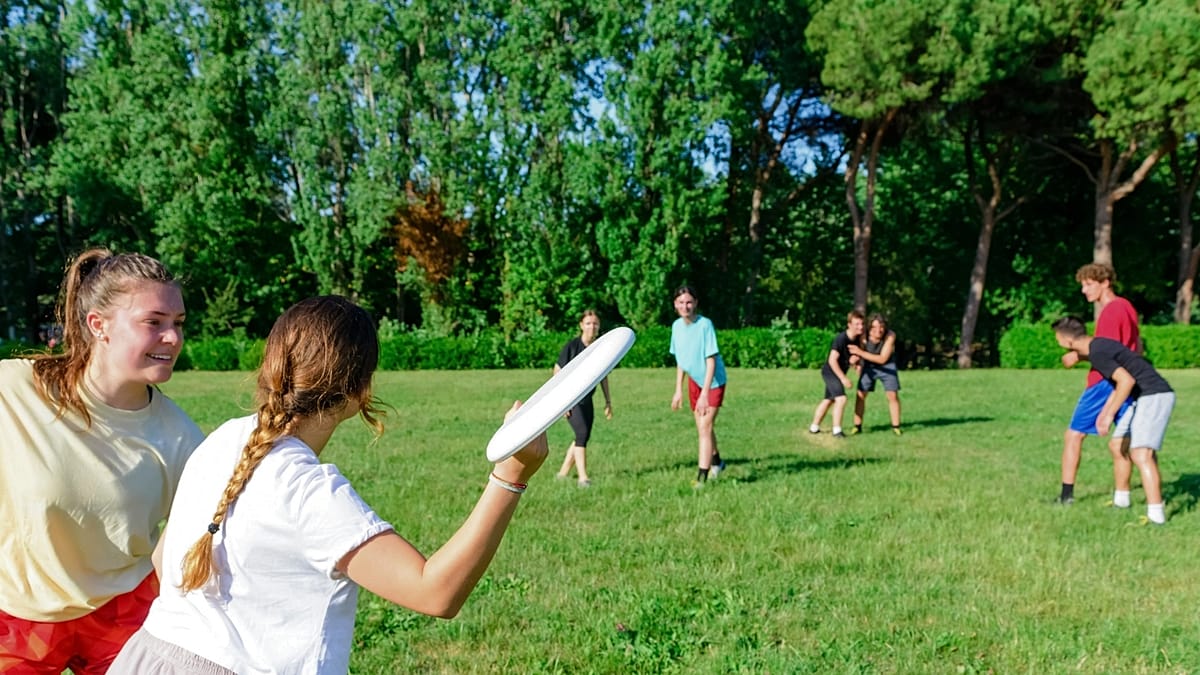
Adolescent physical activity levels have barely budged in 15 years, according to a major new study published in The Lancet Global Health. Analysing data from 389 surveys covering 3.2 million young people aged 11 to 17 in 140 countries, the research finds that one in four adolescents – roughly 240 million individuals – reported no physical activity on any day of the week in 2025. The global average was just 2.7 active days per week, unchanged since 2010.
Only 14% of adolescents – one in seven – were active every day, meeting the World Health Organization's recommendation of at least 60 minutes of moderate-to-vigorous exercise daily, whether at school, during commutes, or in leisure time. The WHO had aimed to reduce the share of adolescents failing to meet this benchmark by 15% between 2010 and 2030, but the report concludes that no country or region is on track to achieve that goal.
Gender gap widens with age
The study highlights a persistent and widening gender divide. Globally, boys averaged three active days per week in 2025, compared with 2.4 for girls. Girls' activity levels decline as they grow older, further widening the gap. The authors note that this pattern reflects not only biological differences but also social and cultural factors that often limit girls' access to sport and safe public spaces.
Regional disparities are stark. Adolescents in wealthier regions – Central and Eastern Europe, Central Asia, East Asia and the Pacific, and high-income Western nations – averaged four active days per week, with only 6.9% to 7.7% reporting no activity at all. In contrast, in lower- and middle-income regions such as Latin America and the Caribbean, the Middle East and North Africa, Oceania, South and Southeast Asia, and Sub-Saharan Africa, the average fell to around two active days, with 22.7% to 33.1% of adolescents completely inactive.
The most active adolescents were found in Finland, Canada, and Serbia, averaging 4.5 to 4.8 active days per week. At the other end of the scale, Cambodia, Jordan, and Madagascar recorded the lowest levels, with just 1.7 to 1.9 active days.
The authors attribute these geographic and income-based differences primarily to structural factors. Wealthier countries generally have greater capacity to fund physical activity policies and build supportive infrastructure, such as public parks, safe walking routes, and cycling networks. In many parts of Europe, for instance, investment in active mobility and school sports programmes has helped maintain relatively high activity levels, but even there, progress has stalled.
The high prevalence of inactive young people suggests that existing interventions are failing to reach a substantial portion of the population. As Europe's exercise boom masks deep inequalities in access, the problem is not simply a lack of awareness but a lack of opportunity.
Adolescence is a crucial period for shaping lifelong health. Regular physical activity in these years supports both physical and mental well-being, with benefits that extend into adulthood. The study's authors urge governments to act faster, implementing policies tailored to local contexts that reach the entire population and prioritise the least active adolescents. They suggest making schools and neighbourhoods more conducive to activity, for example by improving playgrounds, ensuring safe routes to school, and integrating physical activity into daily routines.
For Europe, the findings serve as a reminder that even relatively active countries cannot afford complacency. The continent's northern nations, such as Finland and Serbia, offer models of success, but the overall stagnation suggests that current approaches are not enough. As exercise matches painkillers for many pain types, the health case for action is clear. The challenge now is translating evidence into effective, equitable policy.