Pixar's Toy Story franchise has long been a benchmark for animated storytelling, but with the fifth instalment, the studio faces a familiar question: can a sequel that feels both timely and necessary recapture the magic of its predecessors? Toy Story 5 attempts to answer that by placing its beloved characters in a new existential crisis—technology.
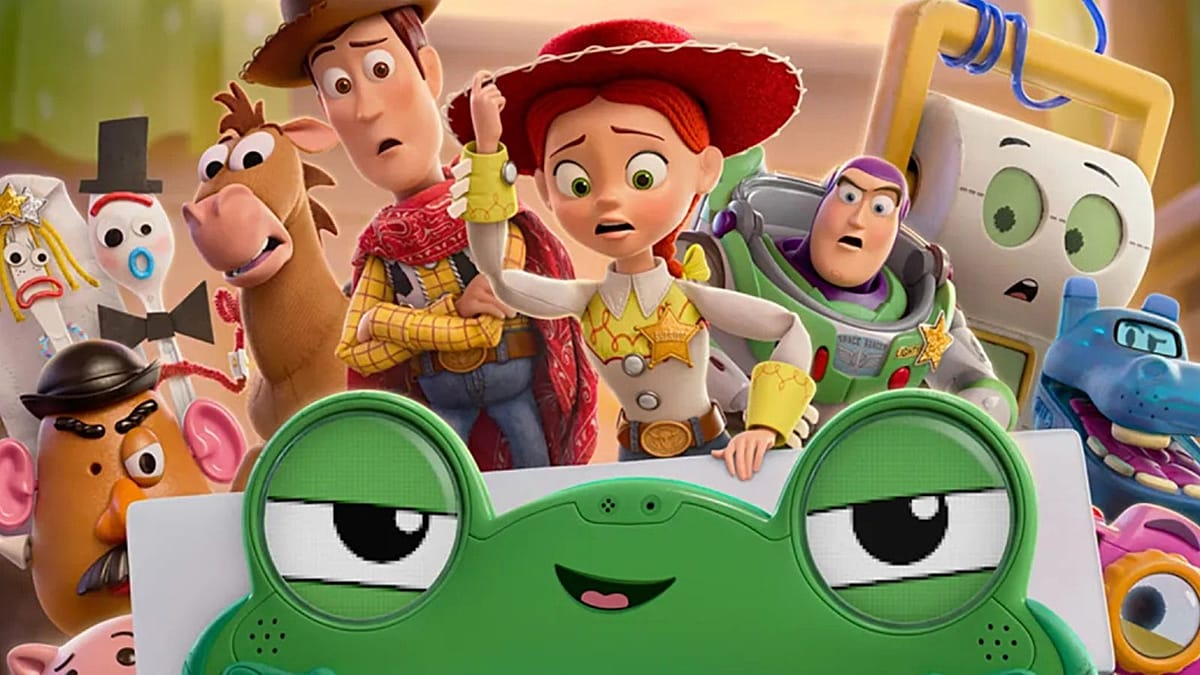
The film returns to Bonnie's house, where Jessie the cowgirl (voiced by Joan Cusack) has taken over as sheriff. The toys are anxious because Bonnie, now a lonely child, has become addicted to a tablet named Lilypad (voiced by Greta Lee) after her parents give in to her demands. The narrative follows Jessie's plan to save Bonnie from screen addiction, leading to her separation from the group and a confrontation with her own abandonment trauma. Woody (Tom Hanks), Buzz (Tim Allen), and the rest of the gang must rescue her.
A Timely but Tepid Take on Tech
Co-written by Kenna Harris and directed by Andrew Stanton, Toy Story 5 benefits from its topicality. It addresses screen addiction, social isolation, and the superficial bonds of the digital age—themes that resonate as countries like the UK consider social media bans for under-16s. The script avoids a simplistic "tech = bad" binary, instead offering nuance about the evolution of human connection. However, the narrative ultimately settles for a disappointingly mild conclusion, as if the filmmakers lost their nerve and opted for a mildly advisory tone rather than a meaningfully cautionary one.
This timeliness is a strength, but the film's emotional payoff feels rehashed. The exploration of Jessie's lingering abandonment pains harks back to the heartbreaking 'When She Loved Me' montage in Toy Story 2, yet the resolution doesn't hit as hard as it should. The first half is noticeably weaker, featuring a multitude of Lightyears that feel like filler.
Despite these flaws, Toy Story 5 is not a bad film. It is better than Toy Story 4, which felt like a pseudo-epilogue with a suicidal toy and horror-coded moments. The fifth instalment retains some of the series' signature charms, particularly in its warm-hearted climax. Joan Cusack's performance as Jessie is a highlight, and the decision to give her front billing is a welcome shift from the Woody-Buzz double-act.
Yet, as one forlorn toy puts it, "the age of toys is over." The enchantment that once defined Pixar's adventures no longer goes to infinity and beyond. The film feels like a 'Best Of' compilation for a new generation, failing to answer the question: did we really need a new Toy Story? For those seeking the studio's greatest work, Ratatouille remains the gold standard.
In the broader context of European cinema, Toy Story 5 arrives at a time when the continent is grappling with its own digital challenges. The EU's recent adoption of a comprehensive drug strategy to combat trafficking and overdose crisis highlights the need for nuanced approaches to societal issues, much like the film's attempt to address screen addiction without demonizing technology. Similarly, the UK's consideration of social media bans for under-16s underscores the relevance of the film's themes.
Ultimately, Toy Story 5 is a competent but unremarkable addition to the franchise. It proves the rule that no film series has ever had a great fifth instalment—from Die Hard to Indiana Jones, the pattern holds. Pixar's trilogy remains perfect, and this sequel, while not a disaster, feels like a studio-mandated emotional ambush. For fans, it may be time to put the toys back in the box and revisit the classics.