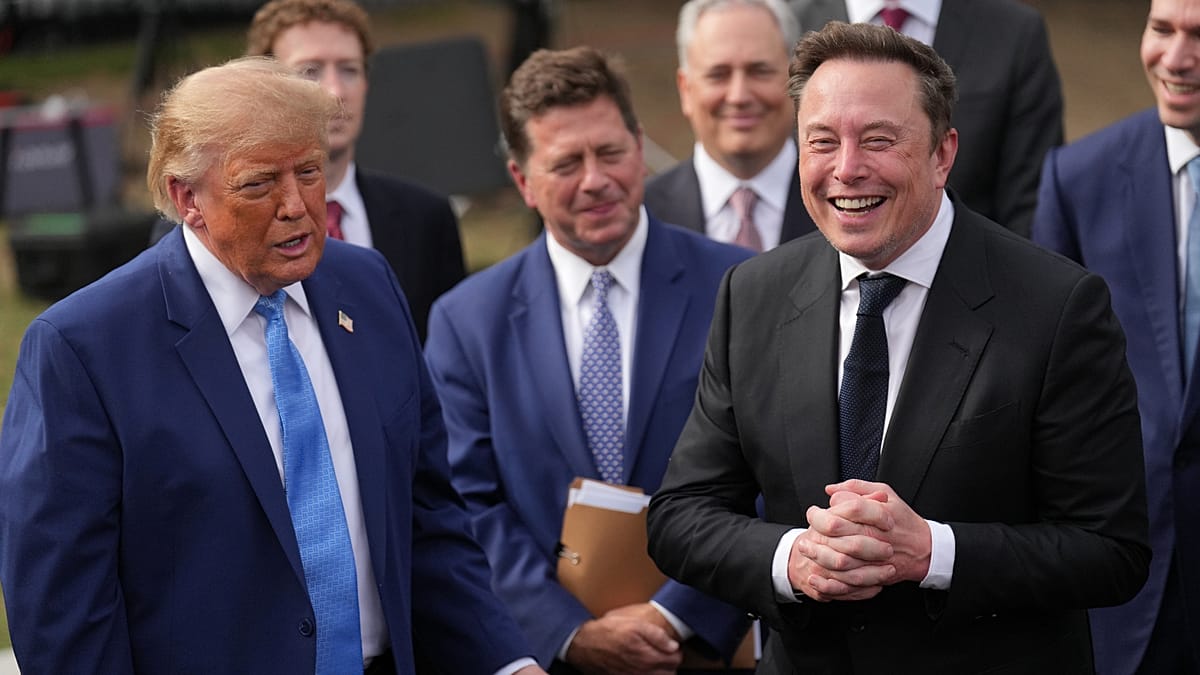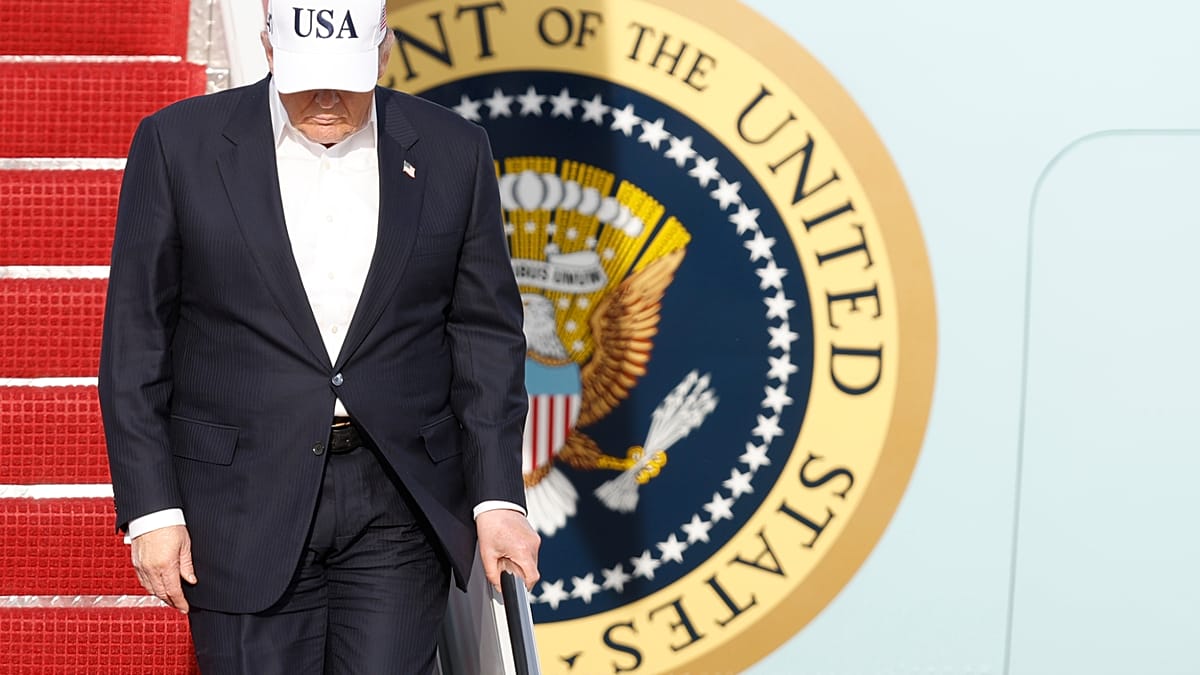
United States President Donald Trump stated on Monday that he had postponed a military strike against Iran that was planned for the following day, citing appeals from the leaders of Qatar, Saudi Arabia, and the United Arab Emirates. In a post on his Truth Social platform, Trump said he would “hold off on our planned Military attack of the Islamic Republic of Iran, which was scheduled for tomorrow,” adding that “serious negotiations are now taking place.”
The Gulf allies, according to Trump, believe “a Deal will be made” that includes “NO NUCLEAR WEAPONS FOR IRAN!” He also confirmed that he had informed the US military that the scheduled attack would not proceed, but instructed them “to be prepared to go forward with a full, large scale assault of Iran, on a moment's notice, in the event that an acceptable Deal is not reached.”
Escalating Tensions and Nuclear Demands
The announcement comes after a series of increasingly dire warnings from Trump, who had earlier threatened that “there won't be anything left” of Iran if no peace deal is reached. The United States and Israel have been engaged in a conflict with Iran since late February, when US and Israeli forces launched strikes. The war has shaken the Middle East and driven up global energy prices, with the Strait of Hormuz—a critical chokepoint for oil shipments—largely closed by Iranian forces since the conflict began.
Tehran has insisted on retaining management of the Strait of Hormuz as part of any agreement. According to Iran's Fars news agency, Washington presented a five-point proposal that included demands for Iran to operate only one nuclear site and transfer its stockpile of highly enriched uranium to the United States. Iran's counter-proposal emphasized its continued control over the strategic waterway.
Only a single round of talks has been held between the two sides, in Pakistan, following a fragile ceasefire in April. Trump has repeatedly set deadlines for Tehran and then backed off, a pattern that has drawn criticism from some European diplomats who view the US approach as erratic. The European Union has maintained its own diplomatic channels with Iran, though these have been largely overshadowed by the US-led negotiations.
The conflict has also had direct repercussions for Europe. The closure of the Strait of Hormuz has disrupted oil supplies to European refineries, contributing to higher fuel costs across the continent. Meanwhile, the EU has been working to mediate a broader regional ceasefire, with French and German officials holding separate talks with Iranian representatives in recent weeks. The EU-US trade deal negotiations in Strasbourg have also been affected by the heightened geopolitical uncertainty.
In a related development, the UAE has been investigating a drone attack on its Barakah nuclear plant, though it has avoided directly accusing Iran. The incident underscores the fragility of the region's security architecture. For European capitals, the prospect of a full-scale US assault on Iran raises concerns about a wider war that could trigger a refugee crisis and further destabilize the Middle East, with potential spillover effects into the Balkans and the Eastern Mediterranean.
As the clock ticks toward an undefined deadline, the international community watches closely. Trump's latest move—calling off an attack while keeping forces on standby—reflects the high-stakes brinkmanship that has characterized his approach to Iran. Whether the Gulf mediation can yield a lasting deal remains uncertain, but for now, the immediate threat of a military strike has been deferred.