A Tripoli appeals court has acquitted 31 former officials of Muammar Gaddafi's regime on charges of suppressing protesters during the 2011 revolution, effectively closing a case that began in 2014 and had previously resulted in multiple death sentences. The verdict, delivered on Monday, covers charges of ordering and carrying out the violent crackdown on demonstrators that ultimately ended Gaddafi's 42-year rule.
The defendants collectively faced 37 criminal charges, including killing unarmed protesters, inciting civil war, looting, destruction, and genocide. Among those acquitted are former intelligence chief Abdullah al-Senussi, former Prime Minister Baghdadi al-Mahmoudi, Mansour Daw, Mohamed Abu al-Qasim al-Zawi, and Mohamed Ahmed al-Sharif. The court separately dropped proceedings against several defendants who died before the verdict, including former External Security Agency chief Abu Zeid Dorda and former Deputy Prime Minister Abdelhafiz al-Zlitani. Charges against Saif al-Islam Gaddafi, Muammar Gaddafi's son and one of the original defendants sentenced to death in 2015, were also dropped following his reported killing in February of this year.
Background of the Case
On 28 July 2015, a Tripoli court convicted nine defendants, including al-Senussi, Saif al-Islam, al-Mahmoudi, and Dorda, and sentenced them to death by firing squad. A further 23 defendants received prison sentences while four were acquitted. The trial drew swift condemnation from human rights organizations. Human Rights Watch and the International Federation for Human Rights said the proceedings were riddled with due process violations, conducted amid armed conflict and institutional collapse.
The International Criminal Court (ICC), which had issued arrest warrants for both Saif al-Islam and al-Senussi in 2011 and wanted to try them in The Hague, was denied access to the defendants after Tripoli successfully argued before the court that its national proceedings should take precedence. The death sentences were appealed to the Libyan Supreme Court, which accepted the appeal, overturned the convictions, and referred the case back to the Tripoli Court of Appeals. Deliberations continued for more than four years before reaching the acquittal verdict on Monday.
Despite the acquittal, some of those named in the verdict face separate prosecutions. Al-Senussi, who was extradited from Mauritania to Libya in 2012, continues to face trial in the Abu Salim prison massacre case — a separate proceeding related to the killing of an estimated 1,200 inmates at the Tripoli jail in June 1996. Human rights organizations have long argued that the Abu Salim massacre, in which prisoners were shot en masse following a riot, is one of the most serious unaddressed crimes of the Gaddafi era.
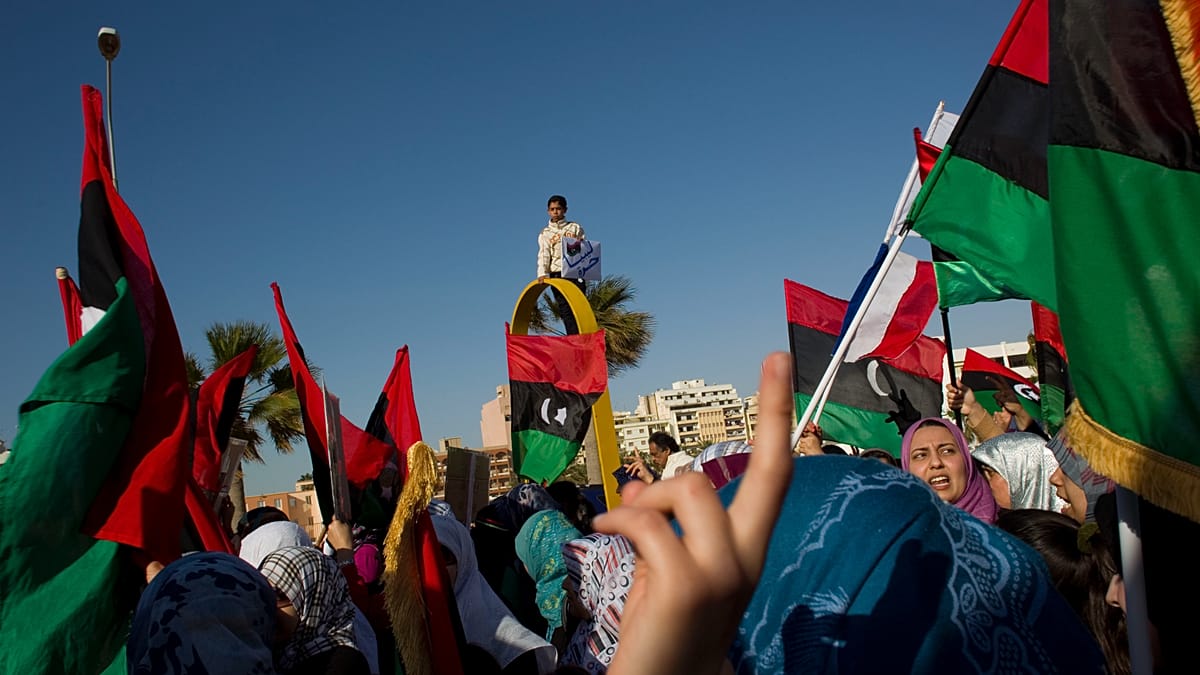
The acquittal has provoked sharp reactions inside Libya, where many victims and their families have spent 15 years waiting for accountability. Human rights groups warned that the verdict, coming in the context of a fragile and divided judicial system, risks entrenching impunity for crimes committed during the 2011 uprising. Libya's February 2011 revolution began as peaceful protests and rapidly escalated into armed conflict. Gaddafi was captured and killed by rebel fighters on 20 October 2011.
For European observers, the case underscores the ongoing instability in Libya, a key energy supplier to the continent and a major transit point for migration across the Mediterranean. The European Union has long supported efforts to strengthen the rule of law in Libya, but the acquittal of senior Gaddafi-era officials may complicate those efforts. The verdict also raises questions about the ICC's ability to prosecute crimes in Libya, given the country's refusal to hand over suspects. As Libya remains divided between rival governments in Tripoli and the east, the judicial system's capacity to deliver impartial justice remains in doubt.