Fresh violence flared in the Strait of Hormuz on Tuesday as a ship reported being hit by an unidentified projectile, while Iran's top negotiator insisted the vital waterway would stay shut until the United States meets a list of conditions.
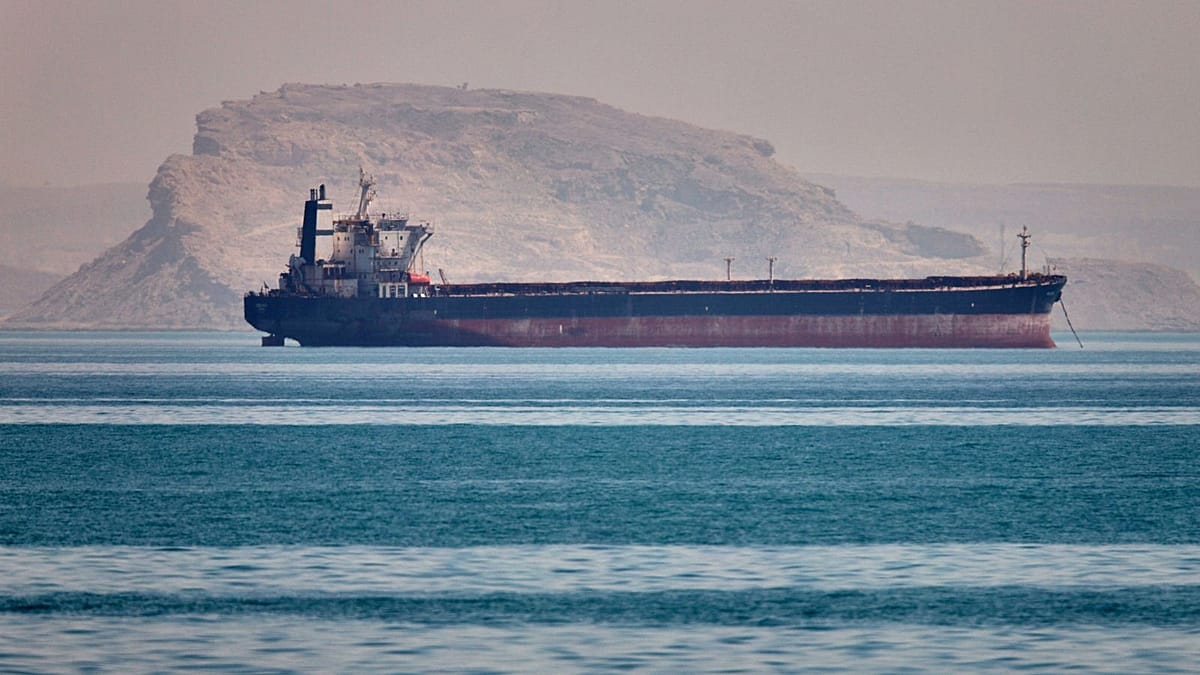
The United Kingdom Maritime Trade Operations (UKMTO) said the attack damaged the vessel's engine room and resulted in a crew casualty. The agency, which monitors shipping in the region, did not identify the ship or its cargo, and it was unclear whether the crew member was killed or wounded. The Omani Coast Guard was assisting the crew, and an investigation was under way.
No environmental damage has been reported from the latest incident, though there are growing concerns about oil spills from vessels damaged while attempting to transit the strait, through which roughly one-fifth of the world's traded oil passed before the conflict began.
Iran's conditions for reopening
In a speech broadcast on state television, Iranian Parliament Speaker Mohammad Bagher Ghalibaf said the strait would not reopen until Washington lifts its naval blockade, ends oil sanctions, and releases frozen Iranian assets. He referred to a memorandum of understanding, saying: "I want to state clearly that the Strait of Hormuz will not be opened until the American commitments stipulated in the memorandum of understanding... are implemented."
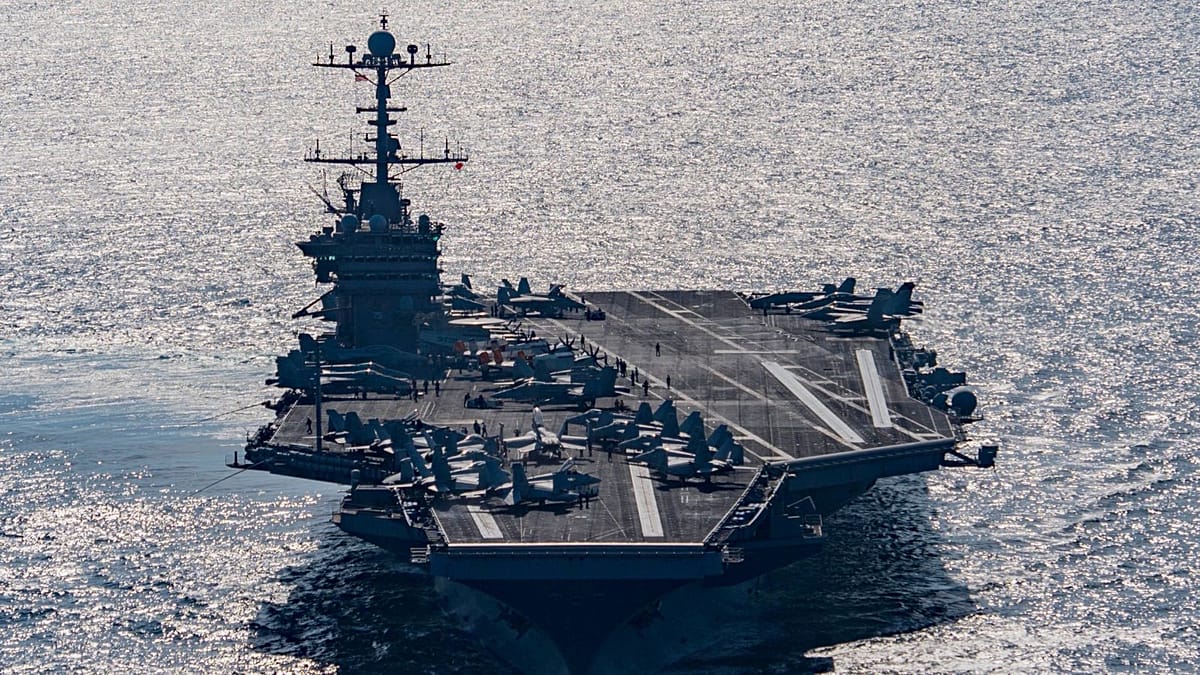
Tehran's forces effectively closed the strait after Israel and the United States attacked Iran on 28 February. The US is currently blockading all Iranian shipping through the waterway.
With negotiations between the two sides stalled, Iran has been holding separate talks with Oman on a plan to manage transiting ships. Tehran said on Monday it was finalising details for a joint statement.
US President Donald Trump reacted angrily, telling Fox News in a telephone interview that the US would bomb "the s*** out of" Oman if it "gets in the way". Trump also provoked a fiery response from Tehran after saying last Friday that he would soon declare the strait "a territory of the United States".
Iran's Deputy Foreign Minister Kazem Gharibabadi responded on X, writing: "The Strait of Hormuz has been Iranian, is Iranian, and will remain Iranian." He added: "This strait will only be closed and opened under Iran's command, and as long as you do not accept the reality of defeat and cease your fanciful delusions, Iran will continue to enforce the blockade."
The Strait of Hormuz is roughly 35 kilometres wide at its narrowest point, meaning both Iran and Oman operate the waterway. The latest attack underscores the fragility of maritime security in a region that is critical to global energy supplies.
For European observers, the closure of Hormuz has direct implications for energy prices and supply chains. The divergence between the IEA and OPEC on 2026 oil demand highlights the uncertainty facing European economies that rely on Gulf crude. Meanwhile, the Iranian insistence on keeping the strait under its control remains a central sticking point in any diplomatic resolution.
The situation also complicates broader geopolitical dynamics, as European nations watch the standoff with concern. The projected loss of the centrist majority in the European Parliament could affect how the EU responds to such crises, with potential shifts in foreign policy priorities.