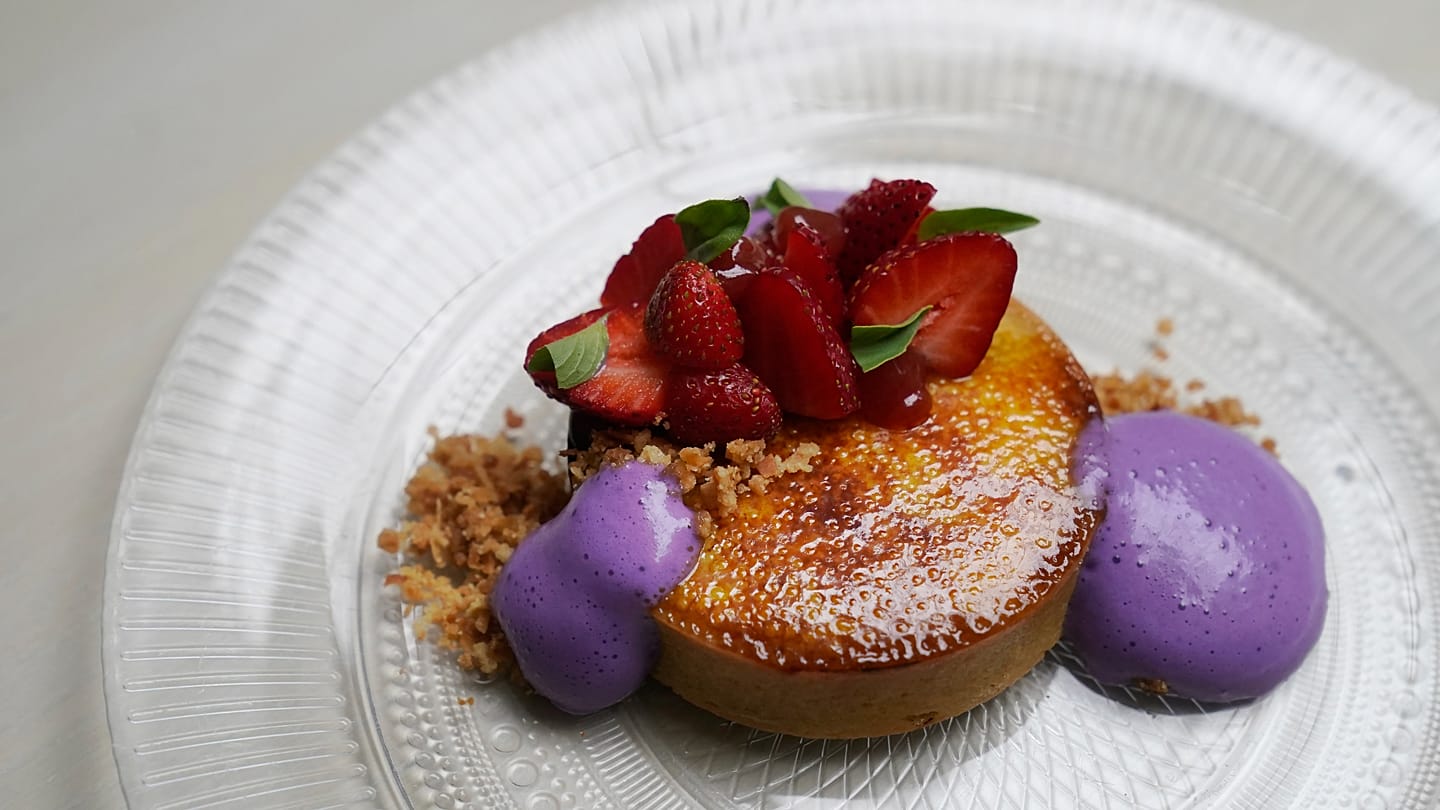
From the cobblestone streets of Paris to the trendy cafés of Berlin, a vivid purple hue is beginning to appear in coffee cups and on dessert plates. Ube, a Filipino purple yam, is being touted as the next big food trend to challenge matcha, the Japanese green tea powder that has dominated café menus for years. But as European consumers embrace this tuber, questions about its sustainability and cultural significance are emerging.
From Manila to Milan: Ube's European Debut
Ube (pronounced OO-beh) has long been a staple in Filipino cuisine, used in desserts like halo-halo and ube halaya. Its natural sweetness and striking colour have caught the attention of European food innovators. In London, artisanal ice cream shops are offering ube-flavoured scoops, while in Amsterdam, baristas are experimenting with ube lattes. The trend mirrors the earlier rise of matcha, which moved from Japanese tea ceremonies to mainstream European coffee chains.
According to market analysts, the global ube market is expected to grow significantly in the coming years, with Europe as a key driver. The tuber's appeal lies in its versatility: it can be boiled, mashed, or powdered, and pairs well with both sweet and savoury dishes. However, unlike matcha, which is now cultivated in parts of Europe, ube is almost exclusively imported from the Philippines, raising concerns about carbon footprint and supply chain reliability.
The Dark Side of the Purple Trend
While ube's rise is celebrated by food enthusiasts, it also has a less savoury side. The sudden demand has led to price spikes in the Philippines, where ube is a dietary staple. Local farmers are struggling to keep up with export orders, and there are fears that the trend could lead to monoculture farming, reducing biodiversity. "We are seeing a repeat of the quinoa boom," says Dr. Elena Rossi, a food sustainability researcher at the University of Bologna. "When a traditional food becomes a global trend, local communities often bear the cost."
Moreover, the trend raises questions about cultural appropriation. Some Filipino chefs in Europe have expressed concern that ube is being marketed without proper acknowledgment of its origins. "It's not just a purple ingredient; it's part of our heritage," says Maria Santos, owner of a Filipino restaurant in Lisbon. "When big companies use it without context, it feels like erasure."
Despite these challenges, the trend shows no signs of slowing. In Copenhagen, a bakery recently launched an ube and cream cheese pastry that sold out within hours. In Rome, a gelateria has introduced an ube flavour, joining a broader shift in European ice cream preferences away from vanilla toward more exotic options.
A European Perspective on Global Tastes
The ube trend is part of a larger movement in European food culture, where consumers are increasingly seeking out unique, Instagram-worthy ingredients. This has parallels with the earlier matcha craze, which saw matcha lattes become a staple in cities like Vienna and Stockholm. However, the European market is also becoming more discerning. "Consumers are starting to ask where their food comes from," notes Lars Müller, a food trend analyst in Zurich. "Ube's success will depend on whether producers can offer it sustainably."
Some European companies are already exploring local alternatives. In the Netherlands, farmers are experimenting with growing purple sweet potatoes, which have a similar colour but different flavour profile. Meanwhile, in Spain, chefs are using purple carrots as a substitute. But purists argue that nothing can replace the authentic taste of ube.
As the trend evolves, it will be interesting to see how European regulators respond. The EU has strict rules on food imports, and any increase in ube shipments could face scrutiny. For now, though, the purple yam is carving out a niche in Europe's diverse culinary landscape, one latte at a time.