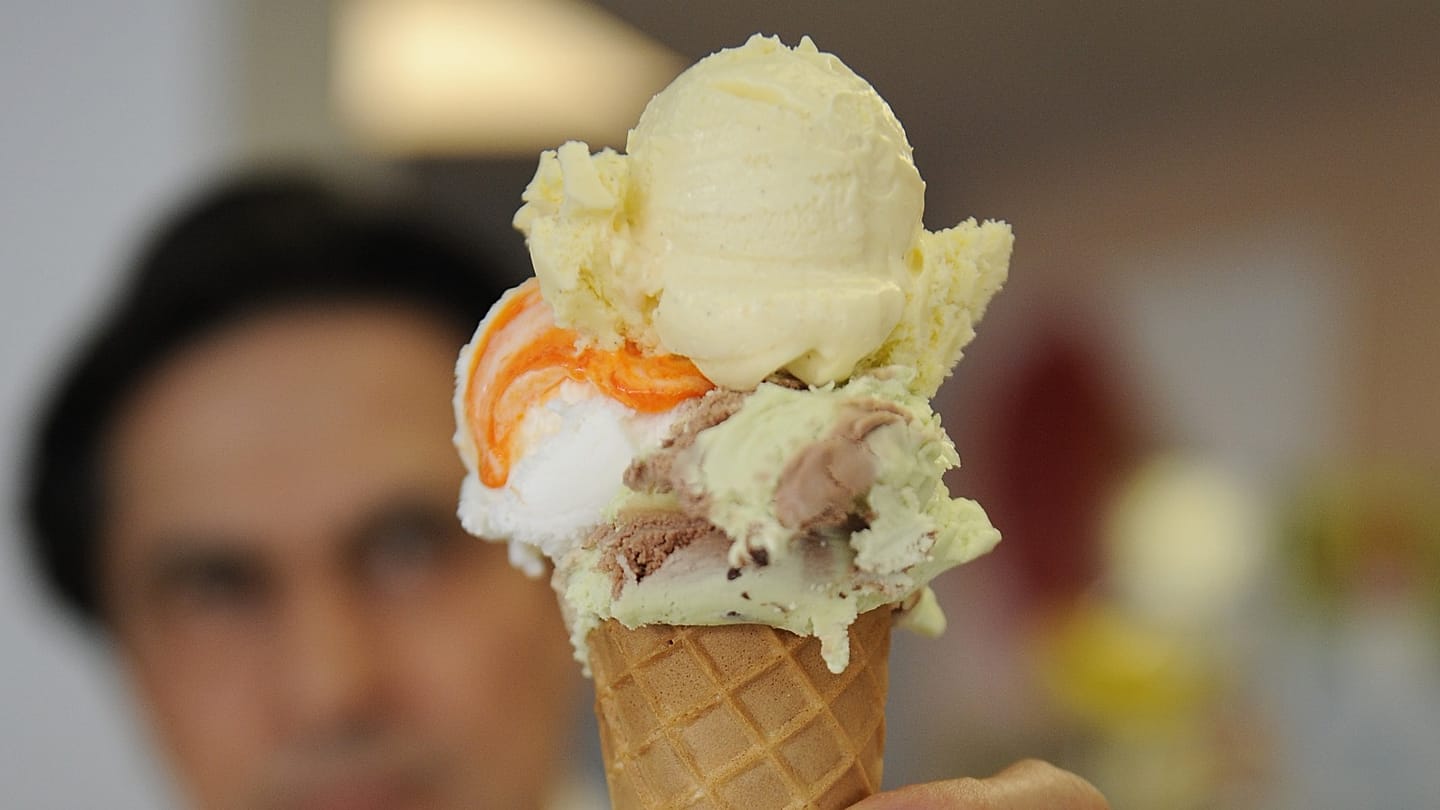
For decades, vanilla reigned supreme as Europe's go-to ice cream flavor, a classic choice from the gelaterias of Rome to the corner shops of Warsaw. But a new analysis of consumer data across the continent reveals a significant shift: chocolate and fruit-based flavors have overtaken vanilla in popularity, reflecting broader changes in taste and the influence of social media trends.
The New Flavor Landscape
According to a comprehensive map compiled from sales data and surveys across EU member states plus the UK, Switzerland, and Norway, chocolate now leads in countries such as Germany, Austria, and the Netherlands. In France, strawberry and raspberry sorbets have surged, while in Spain, lemon and mango are increasingly favored. Italy, the birthplace of gelato, shows a strong preference for hazelnut and pistachio, alongside classic fruit flavors.
“The dominance of vanilla was tied to its versatility and familiarity,” said Dr. Elena Rossi, a food historian at the University of Bologna. “But today’s consumers, especially younger ones, are more adventurous. They want to try new combinations, often inspired by what they see on platforms like TikTok or Instagram.”
This trend is particularly evident in cities like Berlin, where artisanal ice cream shops offer flavors such as lavender-honey or matcha, and in Copenhagen, where the Copenhagen Light Festival has even inspired limited-edition glow-in-the-dark ice cream. In Paris, the Musée d'Orsay recently collaborated with a local gelato maker to create a flavor based on Impressionist paintings, blending art and gastronomy.
Who Eats the Most?
When it comes to consumption, Italy remains the undisputed champion. Italians consume an average of 8.2 kilograms of ice cream per person per year, far ahead of Germany (5.1 kg) and France (4.3 kg). The UK, despite its love for soft serve, lags at 3.1 kg, while Nordic countries like Sweden and Finland hover around 2.5 kg. In the Balkans, Serbia and Croatia show growing appetites, with consumption rising by 15% over the past five years.
“Ice cream is more than a dessert in Italy; it’s a cultural institution,” noted Marco Bianchi, a Milan-based food critic. “The gelato artigianale tradition means we treat it as a daily pleasure, not just a summer treat.” This cultural attachment is reflected in the variety of flavors available, from crema (custard) to zabaione (egg and wine).
Online Trends and New Varieties
The rise of social media has accelerated the adoption of novel flavors. In 2023, a viral TikTok video featuring a “black sesame” gelato from a shop in Lisbon led to a 300% increase in sales of that flavor across Portugal. Similarly, “ube” (purple yam) ice cream, popularized by Filipino communities in Spain, has become a trendy choice in Madrid and Barcelona.
“We’re seeing a democratization of taste,” said Dr. Rossi. “Small producers can now reach a global audience through platforms like Instagram, and consumers are eager to share their discoveries. This has broken the monopoly of traditional flavors.”
However, not all trends are lasting. The “unicorn” ice cream craze of 2018, with its bright colors and glitter, has largely faded, replaced by more sophisticated options like olive oil and sea salt, or even savory combinations such as tomato-basil in southern Italy.
Regional Variations
Europe’s diversity is also reflected in its ice cream preferences. In Switzerland, where chocolate is a national pride, dark chocolate varieties dominate. In Poland, fruit flavors like truskawka (strawberry) and malina (raspberry) are popular, often made from locally sourced berries. In Greece, kaimaki (mastic-flavored ice cream) remains a traditional favorite, while in the UK, mint chocolate chip and cookie dough are top sellers.
The data also shows a clear north-south divide: southern European countries tend to prefer fruit-based and nutty flavors, while northern Europeans lean toward chocolate and vanilla. But this is changing as travel and migration introduce new tastes. In Stockholm, for instance, a gelato shop run by Italian immigrants now offers stracciatella alongside lingonberry sorbet.
Economic and Environmental Factors
The ice cream industry in Europe is worth over €12 billion annually, with artisanal producers accounting for a growing share. However, rising energy costs and dairy prices have pushed up prices, particularly in countries like France and Germany. Some producers are turning to plant-based alternatives, using oat or almond milk, to cater to health-conscious and environmentally aware consumers.
“The future of ice cream in Europe is about sustainability and innovation,” said Bianchi. “We’re seeing more organic ingredients, less sugar, and even carbon-neutral production methods. It’s a reflection of broader societal shifts.”
As Europe’s palate evolves, one thing is clear: the continent’s love for ice cream remains undiminished, even as the flavors change. Whether it’s a classic coppa in Rome or a trendy matcha cone in Berlin, ice cream continues to be a sweet symbol of European culture.