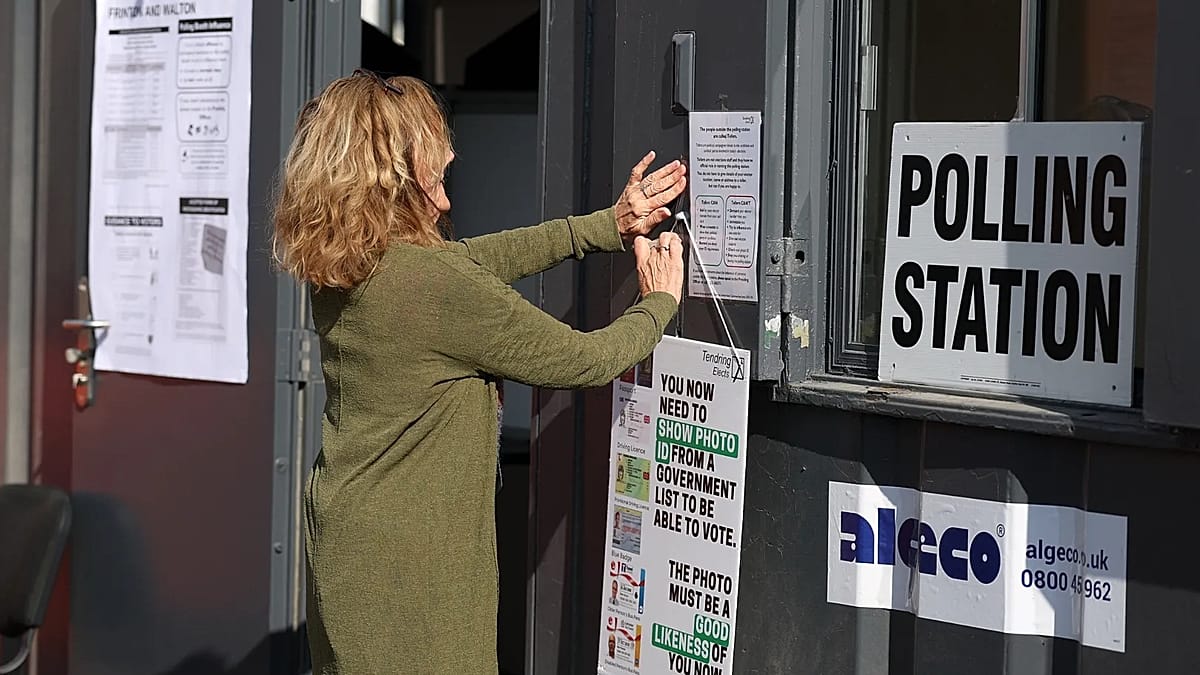
Voters across England, Scotland, and Wales are casting ballots on Thursday in local and regional elections that could reshape the United Kingdom's political landscape. While such votes typically revolve around potholes, rubbish collection, and graffiti, this year's contest has been framed by opponents as a referendum on Prime Minister Keir Starmer's leadership.
Starmer's centre-left Labour Party, which swept to power in July 2024 after fourteen years of Conservative rule, is bracing for significant losses. Around 5,000 council seats and several mayoralties are up for grabs in England, while voters in Scotland and Wales will elect all members of their devolved parliaments. Labour currently defends about 2,500 English council seats, and party insiders fear many could fall.
A Fragmented Electorate
The elections come at a precarious moment for Starmer. His approval ratings have plummeted amid sluggish economic growth, strained public services, and a persistent cost-of-living crisis—challenges compounded by the Iran war, which has disrupted oil shipments through the Strait of Hormuz. A disastrous decision to appoint Peter Mandelson, a figure tainted by his association with convicted sex offender Jeffrey Epstein, as ambassador to the United States further damaged his standing. Starmer survived a parliamentary probe vote over the Mandelson appointment in February, but the episode left deep scars.
Luke Tryl of the polling firm More in Common warned that the results could signal “the total collapse of the traditional two-party system” that has dominated British politics for decades. Labour and the Conservatives are both expected to lose ground, while smaller parties capitalise on voter disillusionment.
The biggest winner is likely to be Reform UK, the hard-right party led by Nigel Farage. Targeting working-class, former Labour strongholds in northern England and outer London with an anti-establishment, anti-immigration message, Reform is poised to gain dozens of council seats. Farage predicted on the eve of the vote that a strong showing would mean Starmer is “gone by the middle of summer.” Reform is also eyeing breakthroughs in Scotland and Wales, though pro-independence parties—the Scottish National Party (SNP) and Plaid Cymru—are expected to retain power in Edinburgh and Cardiff.
The Green Party is also set to make gains, particularly in urban centres and university towns, while the centrist Liberal Democrats may pick up seats from the Conservatives. The opposition Tories, still reeling from their 2024 defeat, are expected to lose further ground.
Starmer’s final pre-election message conspicuously omitted any mention of the Conservatives, framing the choice instead as between “progress and a better future” under Labour and “the anger and division offered up by Reform or empty promises from the Greens.”
Tony Travers, a professor of government at the London School of Economics, described Labour as “fighting on four fronts in England, five in Wales and Scotland.” He noted that Labour could lose seats to Reform in some areas, to the Greens in others, and occasionally to the Liberal Democrats and Conservatives as well.
A decisive defeat could trigger a snap leadership challenge or intensify internal pressure on Starmer to step down. Even if he survives for now, many analysts doubt he will lead Labour into the next general election, which must be held by 2029. The results are expected to be announced over the coming days, with the full picture emerging by the weekend.