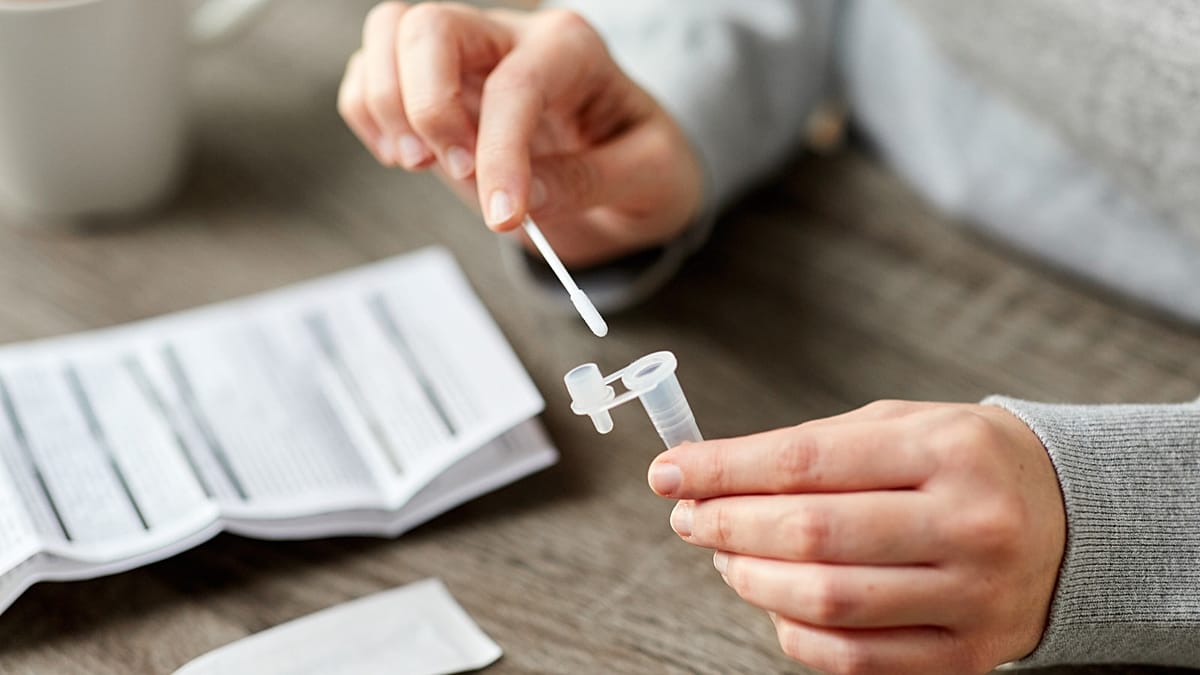
From at-home gut microbiome kits to luxury clinic packages costing thousands of euros, consumer health screening tests have become a booming market across Europe. But a new study from the University of St Andrews in Scotland warns that many of these tests make claims that are not backed by evidence and could do more harm than good.
Published in the journal BMJ Open, the research analyzed 50 health tests advertised online in the UK, including blood panels, genetic screens, liver and lung function tests, cortisol checks, and even pelvic, breast, and testicular exams. Prices ranged from £6.99 (€8.36) for a home kidney test to £14,000 (€16,751) for a comprehensive “platinum assessment” that included imaging and a physical exam. Some clinics sweetened the deal with luxury hotel or spa packages, and a few enlisted celebrities or influencers to promote their offerings.
Dubious promises and missing warnings
The researchers found that 16 tests claimed, without evidence, that they could help people live longer, while 36 promised earlier diagnosis and better health outcomes. Only 15 tests mentioned any potential downsides, such as the risk of false positives or the discomfort of intimate exams.
One retailer went so far as to cite death rates from a particular disease, suggesting that “they could have been detected by one of our … health assessments. Just think of how many could still be here today.”
Among the 50 vendors, 14 offered testicular exams, 13 offered breast exams, and nine offered pelvic exams to people without symptoms. The UK’s National Health Service does not recommend these tests for the general population, and the researchers argue that such screenings can lead to unnecessary anxiety, invasive follow-up procedures, and wasted resources.
“Consumer health tests are easy to access, with few regulatory guardrails, despite their capability of harm,” the authors wrote. They acknowledged that at-home tests could help fill gaps in the medical system, but only if they are evidence-based. Poor-quality screenings, they warned, can result in “false positives (false alarms), false negatives (false reassurance) and loss of personal resources with little or no value gained by individuals.”
The study’s findings resonate beyond the UK. Across the European Union, direct-to-consumer health tests are largely unregulated, and national health systems in countries like France, Germany, and the Netherlands have issued warnings about their reliability. The European Commission has been exploring ways to tighten rules on medical devices and in-vitro diagnostics, but progress has been slow.
In a related development, the UK’s Advertising Standards Authority (ASA) this week upheld a ban on advertisements for an at-home testosterone test from Voy, an online provider of testosterone, menopause, and weight-loss treatments. The ASA ruled that Voy’s ads were “misleading” because they linked common symptoms like fatigue and irritability to low testosterone, encouraging men to buy a test kit. Voy argued that it did not claim low testosterone was the only explanation, but the watchdog disagreed and ordered the company to stop “exaggerating” the connection.
For consumers, the takeaway is clear: before buying a health test online, check whether it is backed by scientific evidence and recommended by a reputable medical body. As the St Andrews researchers put it, “Just because you can test for something doesn’t mean you should.”