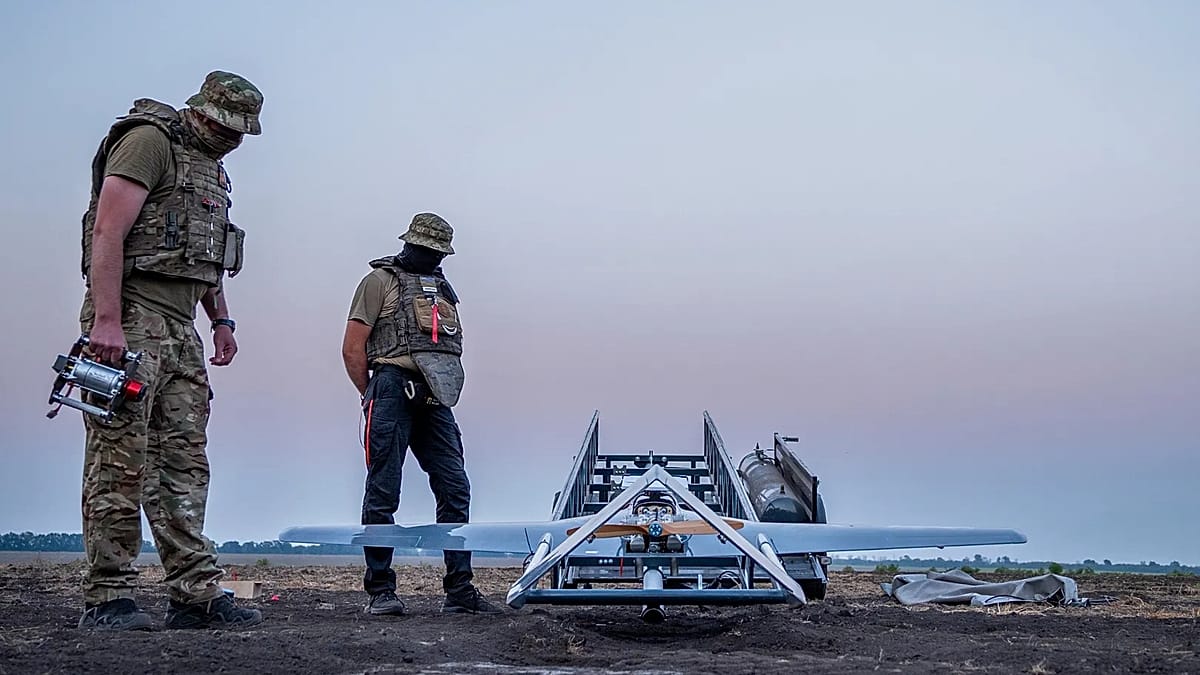
On August 18, 2026, Ukraine held a military parade that broke with tradition, showcasing a range of robotic systems and drones rather than only tanks and artillery. The event, which took place in Kyiv, was designed to demonstrate how the country's armed forces are integrating cutting-edge technology into their operations, a shift that reflects broader trends across European defense.
A new kind of military display
Instead of the usual columns of armored vehicles, spectators saw unmanned ground vehicles, aerial drones, and remote-controlled systems moving through the capital's main avenue. Military officials said the parade was intended to send a clear message: Ukraine is adapting to the realities of 21st-century conflict, where speed, precision, and autonomy often matter more than sheer firepower.
Among the systems on display were reconnaissance drones capable of real-time data transmission, loitering munitions, and robotic platforms designed for logistics and mine clearance. According to the Ukrainian Ministry of Defence, many of these systems have already been tested in combat conditions and are now being produced in larger numbers by domestic manufacturers.
Implications for European security
The parade comes at a time when European nations are reassessing their own military capabilities, particularly in light of the ongoing war in Ukraine. Analysts point out that the conflict has accelerated the adoption of drones and robotics across the continent, with countries like Poland, Germany, and the Baltic states investing heavily in similar technologies.
"What we are seeing in Ukraine is a preview of the future of warfare," said Dr. Elena Fischer, a defense analyst at the Berlin-based Institute for Security Studies. "The ability to deploy unmanned systems that can operate in contested environments is becoming a strategic necessity, not just for Ukraine but for all of Europe."
The parade also highlighted the growing importance of domestic production. Ukrainian companies have developed a range of drones and robotic systems that are now being used by the military, and several have attracted interest from foreign buyers. This has turned Ukraine into a hub for defense innovation, a development that could have long-term economic benefits.
Reactions and next steps
International observers, including representatives from NATO member states, attended the parade. Many expressed admiration for Ukraine's ability to innovate under pressure, but also warned that the proliferation of autonomous weapons raises new ethical and legal questions. "We need to ensure that these technologies are used responsibly and in accordance with international law," said a spokesperson for the European External Action Service.
The Ukrainian government has announced plans to increase funding for research and development in the defense sector, with a focus on artificial intelligence and unmanned systems. Officials also said they would continue to share lessons learned with allied nations, particularly those in Eastern Europe that face similar security challenges.
As Europe watches the evolution of warfare, Ukraine's parade serves as a reminder that the continent's security landscape is changing rapidly. The integration of robots and drones into military operations is no longer a futuristic concept but a present reality, one that will shape defense policies for years to come.
For more on how these developments are affecting the region, see our evening briefing for August 18 and the latest on Ukraine's anti-corruption efforts.