For many Europeans, the nine-to-five is giving way to shift work, gig platforms, and on-call arrangements. But a new study suggests that the unpredictability of working hours may be as damaging to health as the total number of hours worked — and that the effects are strikingly different for men and women.
Published in SSM – Population Health, the research draws on data from more than 61,000 working-age Americans, using linked records from the US Current Population Survey. The findings add a fresh dimension to debates about precarious employment, which have gained urgency across Europe as labour markets flex and digital platforms proliferate.
Volatility, not just volume
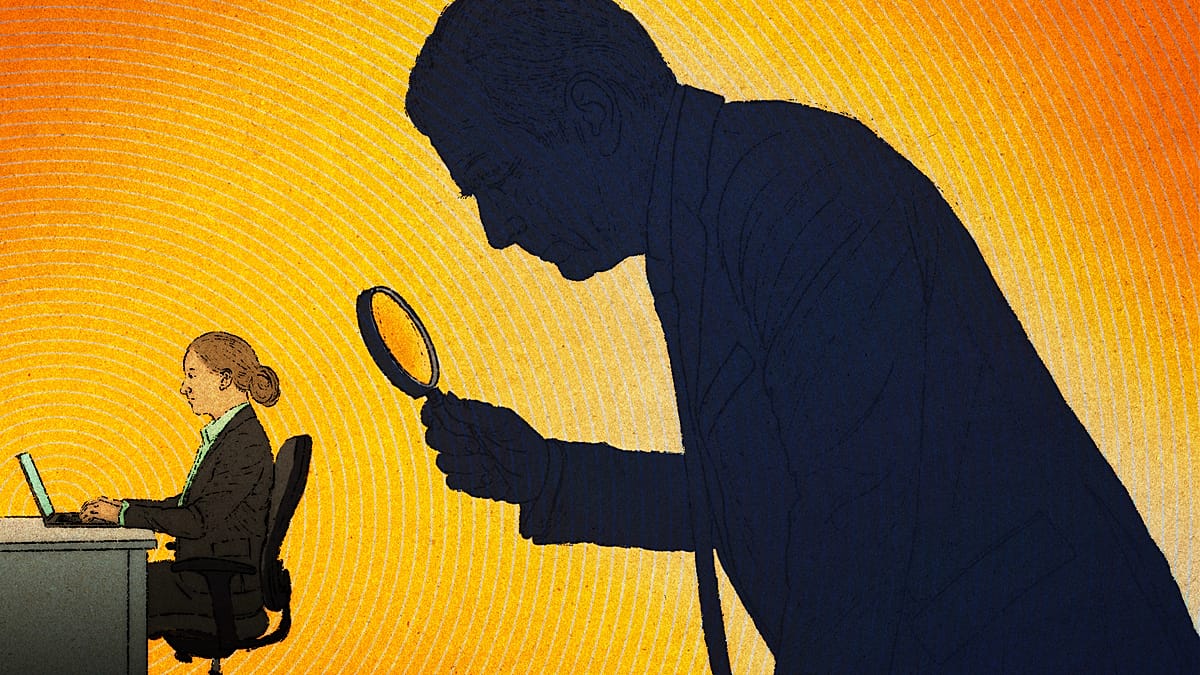
The study distinguishes between workers with stable schedules and those whose hours swing sharply from month to month. One example: an employee who works 20 hours one month, jumps to 60 the next, stays there for a month, then drops back to 20. Such volatility, the authors argue, is a distinct feature of job quality that has been largely overlooked.
“Job quality matters and involves not only pay, benefits or total hours, but also the work schedule stability and resulting health outcomes — an area that has been underexplored in much of the prior research,” said Sinyee Qianyi Lu, the study’s author.
For men who remained employed, high volatility was associated with a predicted probability of health deterioration of 38%, compared with 28% for those on a steady 40-hour week. The probability of stable health fell from about 46% to 38%, while the chance of improved health barely changed.
“It’s quite loud and clear that it’s not about the absolute amount of work hours,” Lu said. “The problem is more with the proportional change — one week up, next week down. Perhaps people can adjust to the total amount of change, but not to the sudden ups and downs. That’s a different story.”
A gendered health divide
For women, the pattern was less direct. Among those who stayed in work, the link between volatile hours and worsening self-rated health was not statistically clear. But when the analysis included women who reduced, suspended, or left work because of health problems, a different picture emerged. The predicted probability of a health-related work limitation rose from about 2.5% to nearly 8% as volatility increased from its lowest to highest levels.
This distinction matters because studies that focus only on the continuously employed can miss those whose health has already deteriorated enough to affect their jobs — a phenomenon known as the “healthy worker survivor effect.” Workers who become too sick to continue may drop out, leaving behind a healthier group and making workplace risks appear smaller than they really are.
“The gender-stratified modeling we created in this study confirms sharp differences in the health pathways for men and women: Volatility in employees’ work hours is reflected in on-the-job health deterioration among men — especially at higher weekly work hours — and in health-related work limitations or withdrawal from active employment by women,” Lu said.
“Instability in work hours is not merely a scheduling inconvenience but a gendered, population-level health risk, and that’s why we should care about it.”
The findings resonate beyond the United States. In Europe, where labour protections vary widely from Germany’s Kurzarbeit to the gig economy in cities like London, Paris, and Warsaw, the study underscores the need for policies that address schedule stability as a public health issue. As remote work reshapes expectations, Europe's top countries for remote workers may need to consider how flexibility can coexist with predictability.
Lu’s work also echoes broader concerns about occupational health. Just as midlife vascular health can shape long-term cognitive outcomes, the cumulative effect of erratic schedules may have lasting consequences for workers’ well-being.
The study’s authors hope their findings will prompt employers and policymakers to treat schedule stability as a core component of job quality — not an afterthought. For the millions of Europeans whose hours fluctuate from week to week, the hidden health cost may be far higher than previously assumed.