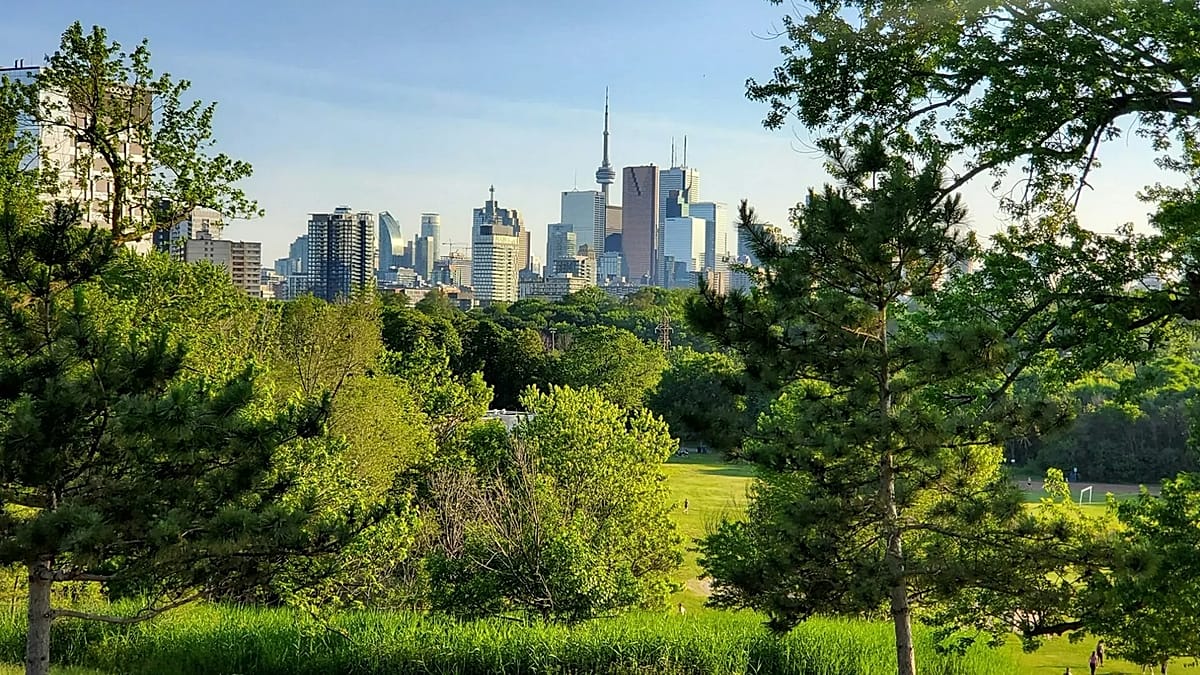
The travel trend known as the 'calmcation' has gained momentum as more Europeans seek holidays centred on rest and recovery rather than packed itineraries. Instead of rushing from landmark to landmark, travellers are prioritising time in nature, disconnecting from screens, and engaging in wellness activities such as yoga, cold-water swimming, and thermal bathing. For those spending summer in a city, the good news is that an urban calmcation is entirely feasible—and often surprisingly accessible.
Green Spaces and Wild Escapes Within City Limits
Connection to nature remains the cornerstone of any calmcation. Green spaces reduce stress, lower blood pressure, and improve mood—benefits that are well documented. Many European cities offer parks that feel genuinely wild. In Edinburgh, a hike up Arthur's Seat provides panoramic views and moments where the urban landscape disappears entirely. Paris has transformed the Petite Ceinture, a former railway line, into a rewilded corridor with natural trails, urban farms, and abundant wildlife, offering a countryside feel just metres from the boulevard périphérique.
London, despite its scale, boasts dozens of parks. Richmond Park spans 2,500 acres, featuring ancient oaks, grasslands, and herds of wild deer. These spaces allow visitors to immerse themselves in nature without leaving the city.
Embracing Slow Living in Urban Settings
A calmcation also means sidestepping crowded shopping streets and tourist hotspots in favour of low-key alternatives. Coffee shops in peaceful locations become sanctuaries for reading, journaling, or listening to music—especially when combined with a deliberate digital detox. Parkside cafés are ideal: Venice's Serra dei Giardini, set inside a 19th-century greenhouse, or Das Café in der Gartenakademie within Berlin's botanical gardens offer tranquil settings.
For groceries or shopping, independent stores in close-knit neighbourhoods provide a more relaxed experience than supermarkets or commercial zones. In Florence, the Oltrarno district across the Arno River is known for its artisan workshops and local markets. Barcelona's Poblenou, a redeveloped waterside area, offers a similar vibe with its mix of boutiques and community spaces.
Urban Wellness: From Thermal Baths to Cold-Water Swimming
The wellness industry has expanded well beyond luxury hotels and spas. Local leisure centres now offer saunas and yoga classes, while many European cities have wellness traditions embedded in their culture. In Milan, the Terme de Montel opened last year inside historic stables, becoming Italy's largest urban thermal water park with ten pools, four saunas, and 10,000 square metres of courtyards and greenery.
Tampere, Finland, is often called the sauna capital of the world, with over fifty public saunas, including smoke and lakeside options. Oslo's harbour-side saunas, such as Sørengas Badstue, have become popular gathering spots. In Istanbul, visitors can experience traditional hammams offering vigorous body scrubs and massages.
Cold-water swimming is another pillar of urban calmcations. London's lidos—Brockwell, Parliament Hill, and Hampstead Heath Swimming Ponds—offer year-round outdoor swimming. In Munich, the Isar River provides a natural plunge, while Zurich's lakeside spots like Seebad Enge are perfect for a refreshing dip.
As the calmcation trend continues to grow, European cities are proving that rest and nature are not exclusive to remote retreats. With a little planning, urban dwellers can find peace, wellness, and a slower pace right on their doorstep.