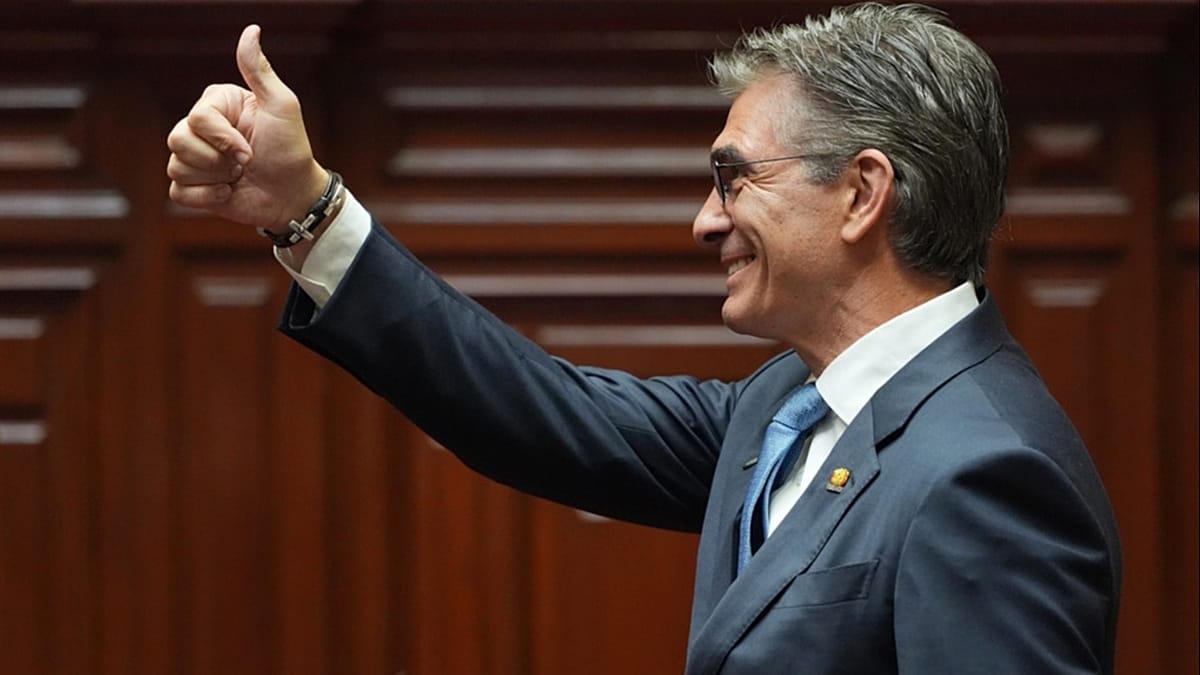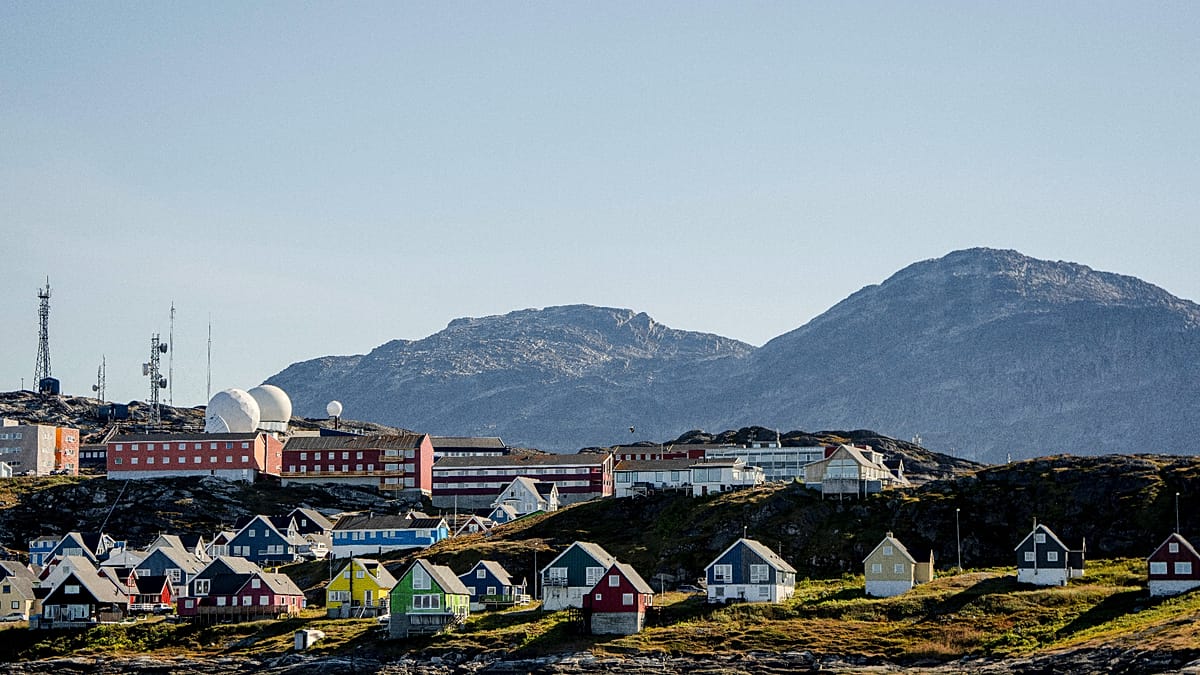
The United States and Denmark have announced a breakthrough agreement on Greenland's security, ending months of tension that had strained transatlantic relations. President Donald Trump declared on Friday that the deal grants Washington "permanent control" over the island's defense, a move that also acknowledges the sovereignty of the Kingdom of Denmark and the rights of Greenland's people.
In a post on his Truth Social platform, Trump wrote: "I am pleased to announce that the United States of America has entered into an Agreement with The Kingdom of Denmark, and Greenland, that gives the United States permanent control over security." He added that no U.S. adversary would be allowed to establish a base, maintain a military presence, or make sensitive investments in Greenland without Washington's express written approval.
The agreement marks a significant shift from Trump's earlier rhetoric, which had included threats to seize the Danish autonomous territory. Since returning to the White House in January 2025, he had repeatedly argued that Greenland was a vital national security interest, warning that if the US did not act, China or Russia would. His aggressive stance sparked widespread criticism across Europe and prompted renewed EU engagement in the Arctic.
Danish Prime Minister Mette Frederiksen hailed the deal as "great for Greenland, the Kingdom of Denmark, and the United States," emphasizing that it respects "the sovereignty and territorial integrity of the Kingdom and the Greenlandic people's right to self-determination." She also noted that the agreement strengthens "our common security in the Arctic and the North Atlantic Area and therefore is great for NATO and Europe as well."
Greenland's Prime Minister Jens-Frederik Nielsen also welcomed the accord, saying it was "to the benefit of us all" and would "ensure and strengthen the security of the island." The deal is expected to be signed at the UN General Assembly in New York next week.
EU steps up Arctic engagement
The agreement comes as the European Union has been intensifying its focus on the Arctic. European Commission President Ursula von der Leyen visited Greenland earlier this month, announcing a €200 million partnership with the territory, to be invested over this year and next. Speaking at the World Economic Forum in Davos, she called for a "massive European investment surge" in Greenland to bolster Arctic security.
The Commission has also proposed allocating €530 million to Greenland under its 2028–2034 budget, reflecting what it described as the island's "growing geostrategic importance in the Arctic." These moves are part of a broader European effort to counterbalance US and Russian influence in the region, as outlined in von der Leyen's security blueprint.
Historically, the US maintained a significant military footprint in Greenland, with 17 facilities and over 10,000 troops at the height of the Cold War. Today, it operates only the Pituffik Space Base, the Department of Defense's northernmost installation. The new agreement is expected to formalize and potentially expand US security arrangements on the island.
Observers note that the deal could have broader implications for NATO's northern flank, especially given recent incidents such as Denmark summoning the Russian ambassador after a warship fired flares at a helicopter. The Arctic is becoming a theater of great-power competition, and this agreement may set a precedent for how European territories balance security needs with sovereignty.
While the deal has been welcomed by leaders in Copenhagen, Nuuk, and Washington, some analysts caution that the details remain unclear, particularly regarding the scope of US "permanent control" and how it will interact with Greenland's self-governance. The signing at the UN General Assembly will be closely watched by European allies and Arctic stakeholders alike.