A routine Danish air patrol over the Baltic Sea turned into a dangerous standoff this week when a Russian warship fired flares at a military helicopter. The Danish armed forces confirmed the incident, which took place in international waters off the southern coast of the island of Falster, near the town of Gedser.
According to a statement from the Danish military, the helicopter—a Fennec from the Royal Danish Air Force—was conducting a photographic reconnaissance of a Russian frigate when the ship launched two flares in its direction. One of the flares passed dangerously close to the aircraft, though no injuries or damage were reported.
Danish leadership responds firmly
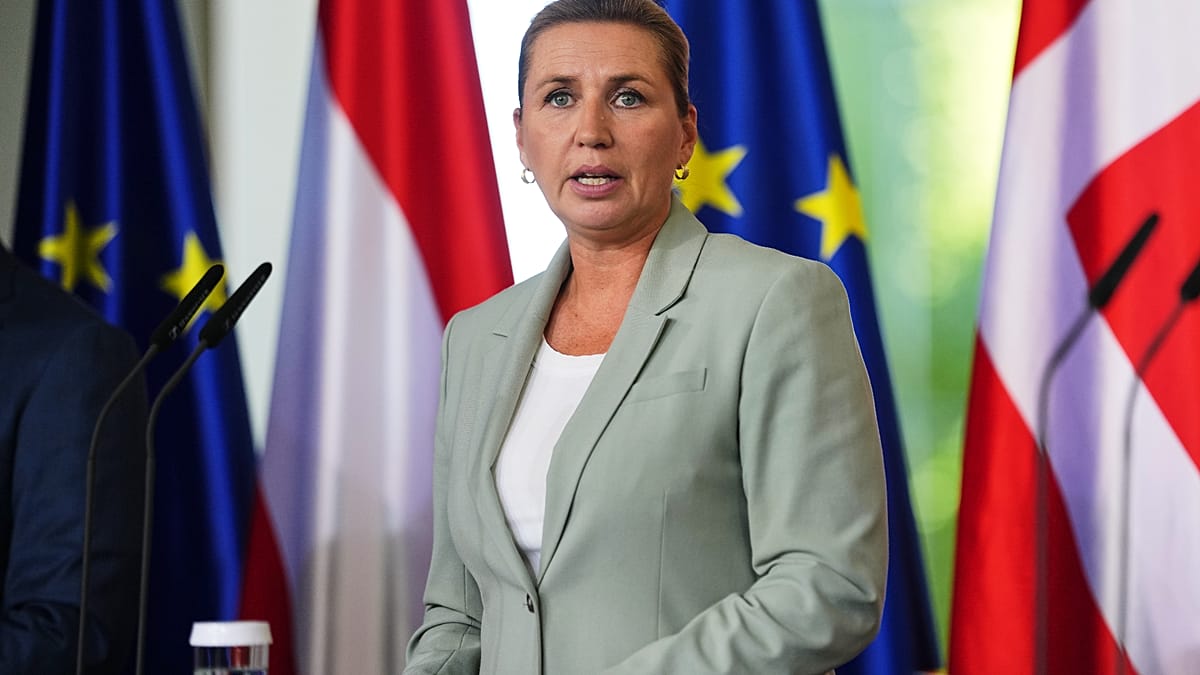
Prime Minister Mette Frederiksen did not mince words in her response. In a post on X, she described the action as "reckless" and accused Moscow of trying to intimidate and divide European nations. "They will not succeed. We will not waver," she wrote, signaling Denmark's resolve in the face of provocations.
Foreign Minister Lars Løkke Rasmussen went further, calling the incident "completely unacceptable." His ministry confirmed that Russia's ambassador to Denmark had been summoned for a formal discussion about the episode—a diplomatic step reserved for serious breaches of international norms.
The Danish government's swift reaction underscores a broader pattern of escalating encounters between Russian forces and NATO members in the Baltic region. This year alone, there have been multiple close calls, including intercepts of military aircraft and naval maneuvers that have raised concerns about miscalculation and unintended escalation.
The incident also comes amid heightened tensions across the wider European theatre. Just a day earlier, Lithuania's foreign minister reported that an allied fighter jet had shot down a drone that crossed into Lithuanian airspace from Belarus. That episode, like the flare incident, highlights the fragile security environment along NATO's eastern flank.
Analysts point out that such provocations are not isolated. They fit a pattern of Russian military activity designed to test NATO's resolve and probe for weaknesses. The Baltic Sea, in particular, has become a flashpoint, with Russian warships and aircraft frequently operating near allied airspace and territorial waters.
For Denmark, the incident is a reminder of its strategic position. As a NATO member and a key player in Baltic security, Copenhagen has been vocal about the need for a robust alliance response. The country has also participated in enhanced forward presence missions and air policing rotations in the region.
The European Union, meanwhile, has been grappling with how to respond to Russian hybrid threats. Recent discussions in Brussels have focused on NATO's eroding deterrence and the need for a more cohesive strategy. The flare incident is likely to reinforce calls for stronger measures, including increased surveillance and more frequent joint patrols.
Some EU member states have also urged the bloc to pay greater attention to the Arctic and Baltic corridors, where Russian activity has intensified. A group of twelve countries recently called for a stronger EU role in the Arctic, citing both Russian and US pressure. The Baltic incident adds urgency to those demands.
While the immediate diplomatic fallout is focused on Denmark, the implications are European-wide. The incident is a stark reminder that the continent's security architecture remains under strain, and that even routine military operations can escalate quickly when Russia is involved.
For now, Denmark has made clear it will not back down. The summoning of the ambassador is a clear signal that such actions will have consequences. Whether Moscow heeds that message remains to be seen, but the episode has already added another layer of tension to an already fraught relationship.