In Doha, US and Iranian negotiators conducted separate meetings on Wednesday with Qatari and Pakistani mediators, achieving what the host nation described as “positive progress” and agreeing to continue their dialogue. Qatar’s Foreign Ministry spokesman Majed al-Ansari confirmed on X that the next session will be scheduled “at the earliest possible time” following the funeral of Iran’s late supreme leader, Ayatollah Ali Khamenei, which begins Saturday in Tehran.
The US delegation included Middle East envoy Steve Witkoff and Jared Kushner, President Donald Trump’s son-in-law, while Iran’s top negotiator Kazem Gharibabadi represented Tehran. The talks aim to secure a permanent end to the war that began on 28 February, when the US and Israel launched military operations against Iran.
Maritime Deal and Strait of Hormuz Disputes
Negotiators are working to finalize an interim maritime agreement that would pave the way for top leaders to seal a comprehensive deal. However, significant differences remain over the status of the Strait of Hormuz and the conflict in Lebanon, casting a shadow over the proceedings. The strait, through which a fifth of global oil and natural gas shipments passed in peacetime, has become a central point of contention.
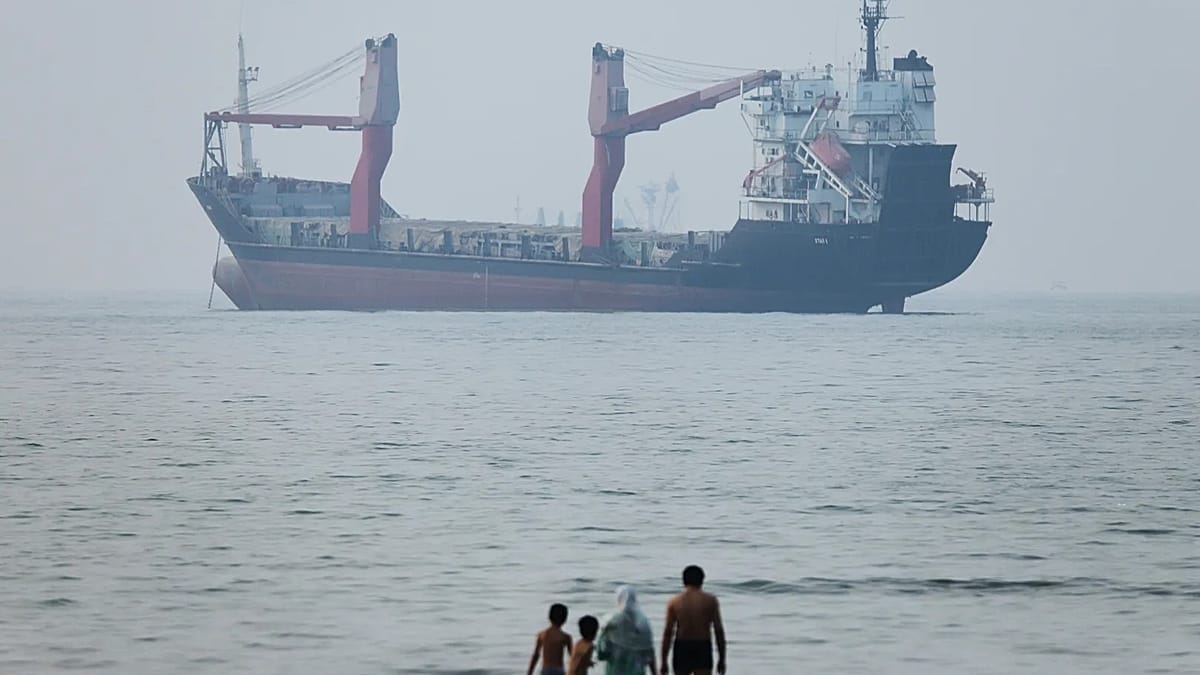
Tehran’s leverage over the waterway was underscored on Wednesday when Iranian state television reported that a foreign container ship ran aground in the strait while using what it called an unapproved route. The broadcast appeared designed to reinforce Iran’s claims to territorial control over the strategic channel, which the international community has long regarded as an international waterway. Since the war began, Iran has consistently used its ability to disrupt shipping through the strait as a key geopolitical tool, severely impacting global markets for energy and other critical goods.
As part of an interim deal, the US and Iran agreed to allow ships to pass without paying charges for 60 days. But Tehran has insisted on controlling vessel routes and later imposing fees for passage, a move that would upend decades of established practice in the waterway. This issue remains a major sticking point, as highlighted in recent reports of Iran warning ships on Hormuz routes amid the Doha talks.
The broader context of these negotiations is intertwined with European interests, as the EU has been closely monitoring the situation. The bloc recently released a €3 billion loan to Ukraine, while US-Iran nuclear talks have faltered, adding another layer of complexity to transatlantic relations. The outcome of the Doha discussions could have significant implications for energy security and geopolitical stability in Europe and beyond.
As the talks proceed, the international community watches closely, aware that the path to a final agreement remains fraught with challenges. The next meeting, scheduled after Khamenei’s funeral, will be a critical test of whether the positive momentum can be sustained.