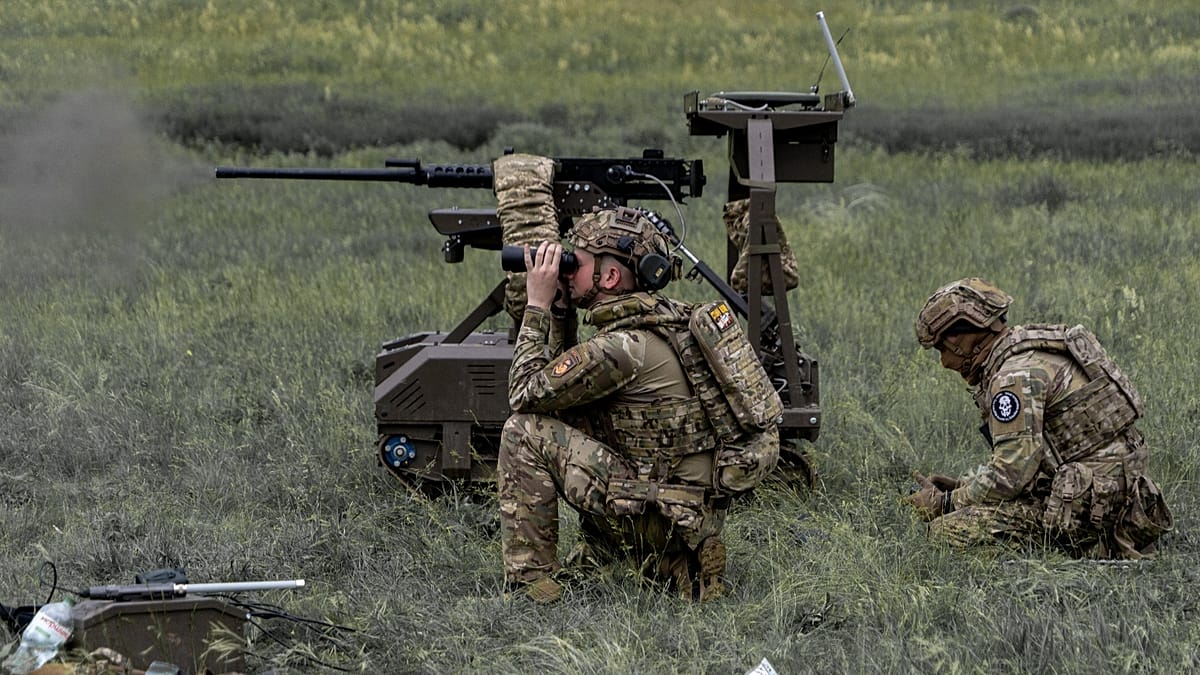
The United States has launched strikes against Iranian targets on Qeshm Island in the Strait of Hormuz, a US official confirmed on Monday. The official, speaking on condition of anonymity, described the operation as defensive, targeting "Iranians using surface-to-air missiles against US asset." Iranian media reported five explosions on the island, which sits near the strategic waterway that carries roughly a fifth of the world's oil.
The strikes come just hours after President Donald Trump suggested that negotiations with Tehran were making headway. In a post on his Truth Social platform, Trump wrote: "Iran wants a settlement, as soon as possible. It could happen!" Vice President JD Vance echoed that sentiment, telling reporters that both he and Trump felt optimistic about "the prospects for potentially coming to a negotiated settlement."
Iranian Foreign Minister Abbas Araghchi confirmed that indirect talks with the United States were ongoing through mediators. "Given the sensitivity and gravity of the current situation, consultations and deliberations are very intensive," Araghchi told state media. He added that Qatar and Pakistan were playing "a very active mediating role in these negotiations."
Timing and political fallout
The military action lands on the eve of the US midterm elections, where the Republican Party is fighting to keep control of Congress. However, the conflict in Iran has become a growing political liability for the administration. Trump's approval ratings have slipped as Americans increasingly oppose the war, particularly over its economic consequences, including disruptions to global oil shipments through the Strait of Hormuz.
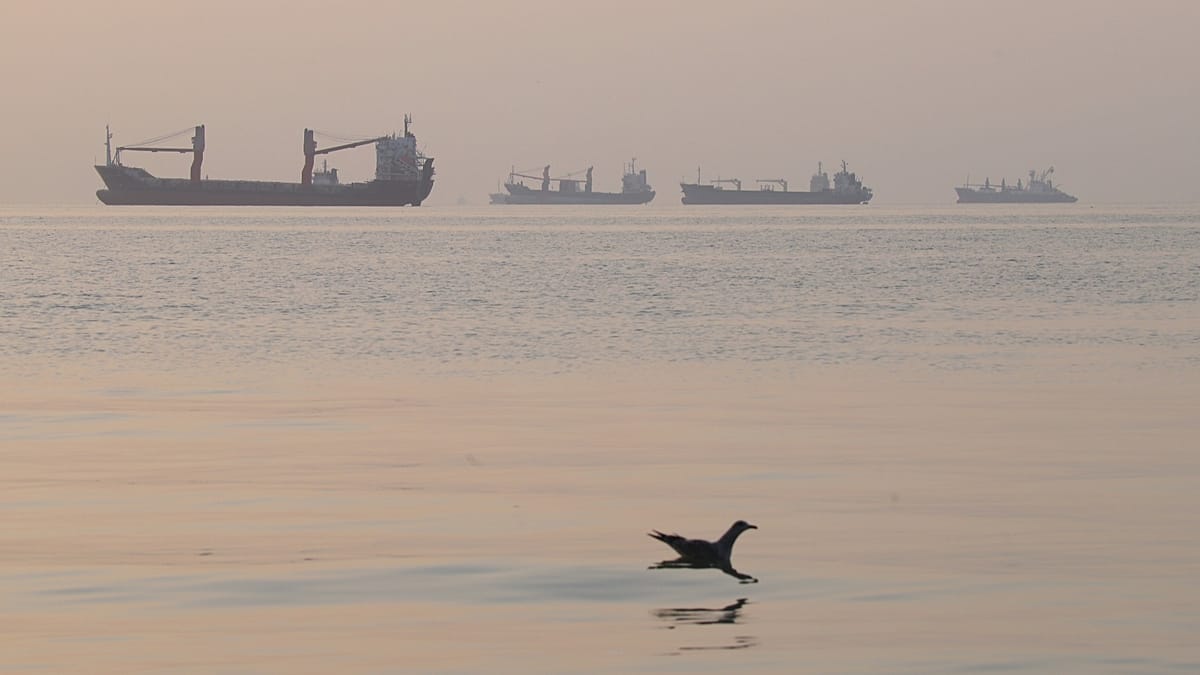
Shipping through the narrow waterway between Iran and Oman has been heavily disrupted since the war began in late February, affecting global energy markets and European economies that rely on Gulf crude. The latest strikes could further unsettle markets, though oil prices dipped earlier on hopes of a deal, even as Trump kept the option of further strikes open.
European observers are watching closely, as the conflict has already strained transatlantic relations. The EU has sought to maintain diplomatic channels with Tehran, while also coordinating with Washington on security in the Gulf. The strikes on Qeshm Island may complicate those efforts, particularly as European leaders push for de-escalation.
In a related development, Iran's Supreme Leader Ayatollah Ali Khamenei has warned of a global response if the US strikes again, raising fears of a wider regional conflict. Meanwhile, the humanitarian situation in the region remains precarious, with aid agencies reporting increased strain on civilian populations.
The timing of the strikes, just hours after Trump's optimistic statement, has raised questions about the coherence of US policy. Some analysts suggest the operation may be aimed at pressuring Tehran in the final stages of negotiations, while others see it as a concession to hardliners within the administration.
For European capitals, the immediate concern is the stability of energy supplies and the risk of further escalation. The EU has repeatedly called for restraint and a return to diplomacy, but the latest events underscore the fragility of the situation. As the midterm elections approach, the Trump administration's calculus may be shaped more by domestic politics than by long-term strategic considerations.
The strikes on Qeshm Island are a stark reminder that the conflict remains volatile, despite diplomatic overtures. Whether the negotiations can survive this latest escalation is uncertain, but the stakes for the region and for global energy security could not be higher.