Washington is preparing to announce significant cuts to the military capabilities it makes available to NATO allies during a crisis or war, according to senior officials. The decision, expected on Friday, is part of the Trump administration's broader pivot away from Europe under its 'America First' doctrine.
The announcement will focus on reducing the US capabilities that NATO can call upon in wartime, rather than immediately altering the current number of American troops stationed on the continent. The US currently maintains around 76,000 troops across NATO territory, the highest level since the Cold War, a figure boosted by Russia's full-scale invasion of Ukraine in February 2022.
Strategic Shift or Managed Transition?
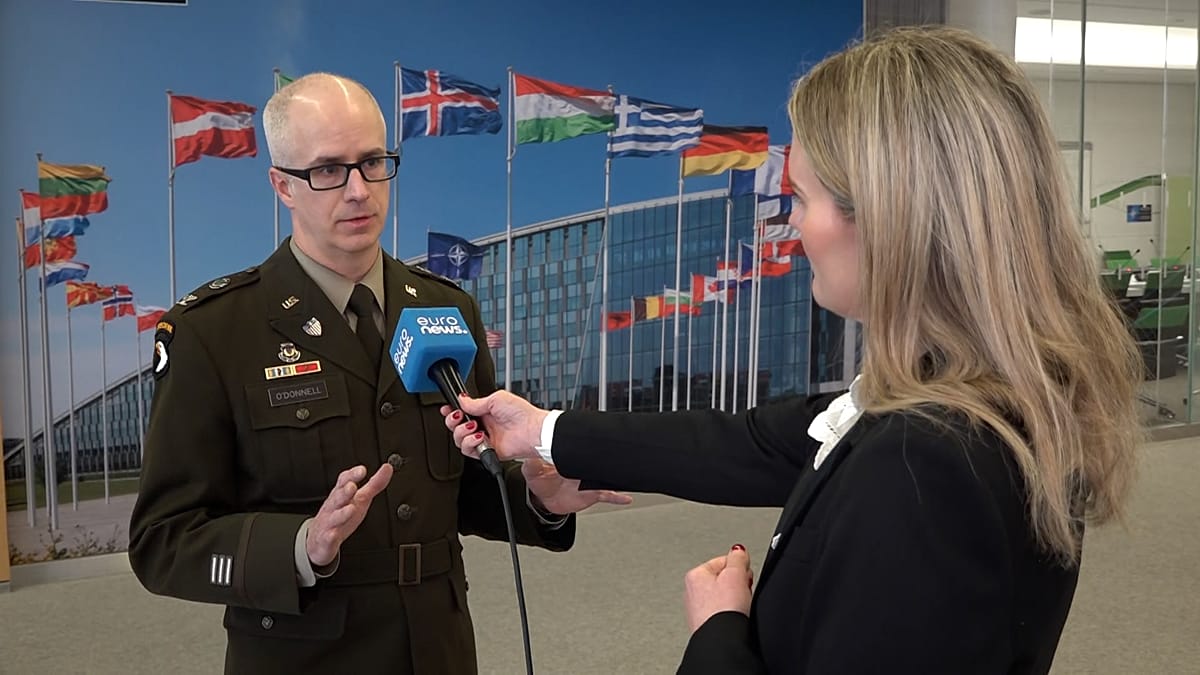
NATO senior military advisor Colonel Martin O'Donnell confirmed the forthcoming plans in an interview with Euronews, describing them as part of an ongoing dialogue between US and NATO military strategists. 'Those adjustments have been discussed with NATO over the course of the last many months,' O'Donnell said. 'There should be no surprises on this, and it will focus on areas where we see Europeans very, very capable of stepping up.'
The areas where the US will draw back its commitments map directly onto those where European countries have increased their defence investment and capabilities. This suggests a deliberate strategy to encourage greater European self-reliance within the alliance.
However, a NATO military source confirmed to Euronews that the announcement does reduce US material support to Europe in the event of crisis or conflict. The chief Pentagon spokesman, Sean Parnell, posted a statement on Tuesday stating that the US is cutting the number of troops available to NATO as part of a 'comprehensive, multi-layered process' focused on US posture in Europe.
The news comes weeks after the Pentagon abruptly cancelled the deployment of a 4,000-strong force from the US Army's 2nd Armoured Brigade Combat Team to Poland. That decision was linked to a public feud between President Trump and German Chancellor Friedrich Merz, after Trump took offence to Merz's remarks about US negotiators being 'humiliated' by Tehran. The withdrawal of 5,000 soldiers from Germany was part of that earlier decision, which lacked strategic planning, according to sources.
NATO allies have been bracing for changes to the US force posture as Washington signals a pivot to other theatres, including the Western Hemisphere. Despite the reductions, O'Donnell insisted the US remains committed to NATO and maintains a strong presence on the continent. The move also comes amid broader geopolitical shifts, including US efforts to secure Italian support on Iran and trade, and ongoing tensions in the Middle East.
European capitals are now assessing how to fill the gaps left by the US drawdown. While some allies have increased defence spending, the question remains whether Europe can sustain the necessary capabilities without American backing. The announcement is expected to accelerate discussions within the EU and NATO about a more autonomous European defence posture.