The official death toll from the devastating twin earthquakes that struck Venezuela on 24 June has risen to 4,490, according to the government's latest update on Sunday. The figure, posted on the official Telegram account, marks an increase of approximately 150 from the previous day. The government also reported 16,740 injured but has not given any estimate for the number of people still unaccounted for.
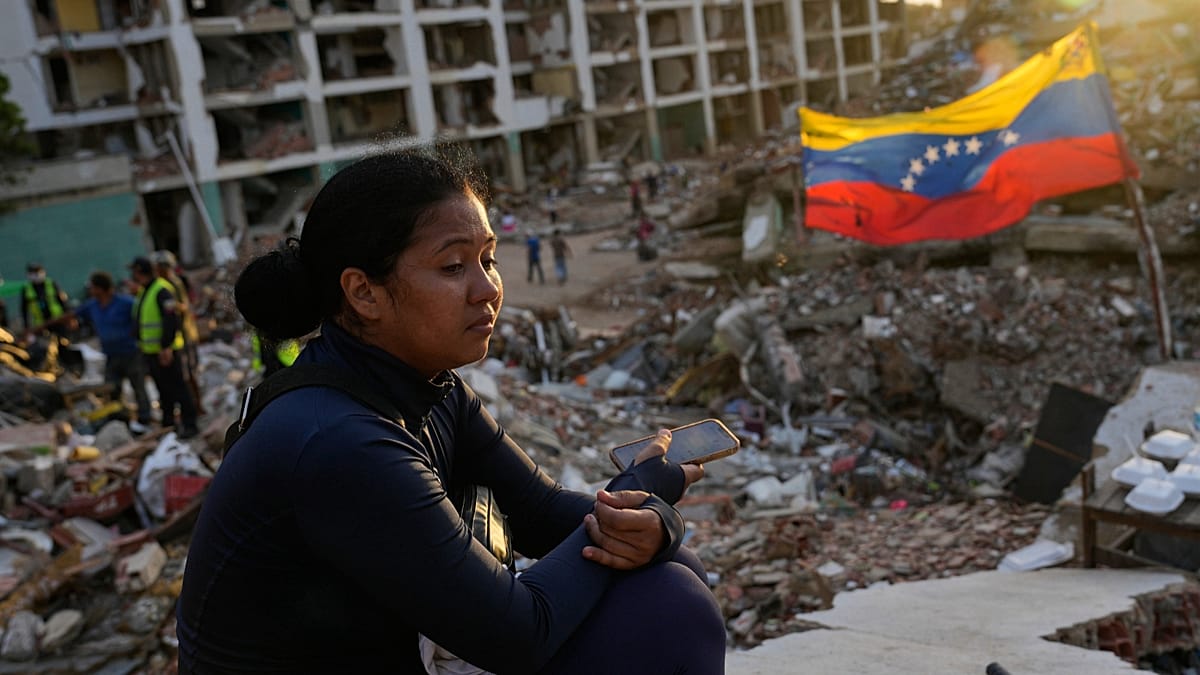
The magnitude 7.2 and 7.5 earthquakes flattened entire high-rise apartment blocks in Caracas and the coastal state of La Guaira, leaving a trail of destruction. In the aftermath, makeshift camps for displaced families have sprung up in stadiums, plazas, and along sidewalks in La Guaira and nearby Caracas. The government update on Sunday stated that 19,583 people are currently living in these camps.
Government Response and Housing Plans
On Saturday, National Assembly President Jorge Rodríguez, brother of interim leader Delcy Rodríguez, announced that the government would begin providing some apartments to families in the coming days. These units were under construction before the quake. However, Rodríguez acknowledged that significant resources will be needed to build more housing, provide rental assistance, and offer loans for property purchases.
The government has allocated more than 40 plots of land in La Guaira, totalling about 584,000 square meters, for the construction of new homes, Rodríguez said. Foreign Minister Yvan Gil also reported on his Telegram account on Sunday that an aid shipment from Russia had arrived.
The disaster has drawn international attention, with some European countries expressing solidarity. Portugal, for instance, has reported 96 deaths among its nationals, including 17 children, highlighting the human cost for European diaspora communities. The European Union has yet to announce a coordinated aid package, but individual member states are monitoring the situation closely.
The earthquakes have also revived conspiracy theories, including claims about HAARP technology being used to trigger the quakes, though there is no evidence to support such assertions. Meanwhile, Venezuela continues to urge the release of frozen assets to fund relief efforts, a plea that resonates in European capitals where sanctions remain a contentious issue.
As the death toll climbs and the number of displaced grows, the international community faces pressure to respond. For Europe, the crisis underscores the vulnerability of infrastructure in the region and the need for robust disaster preparedness, even as geopolitical tensions complicate aid delivery.