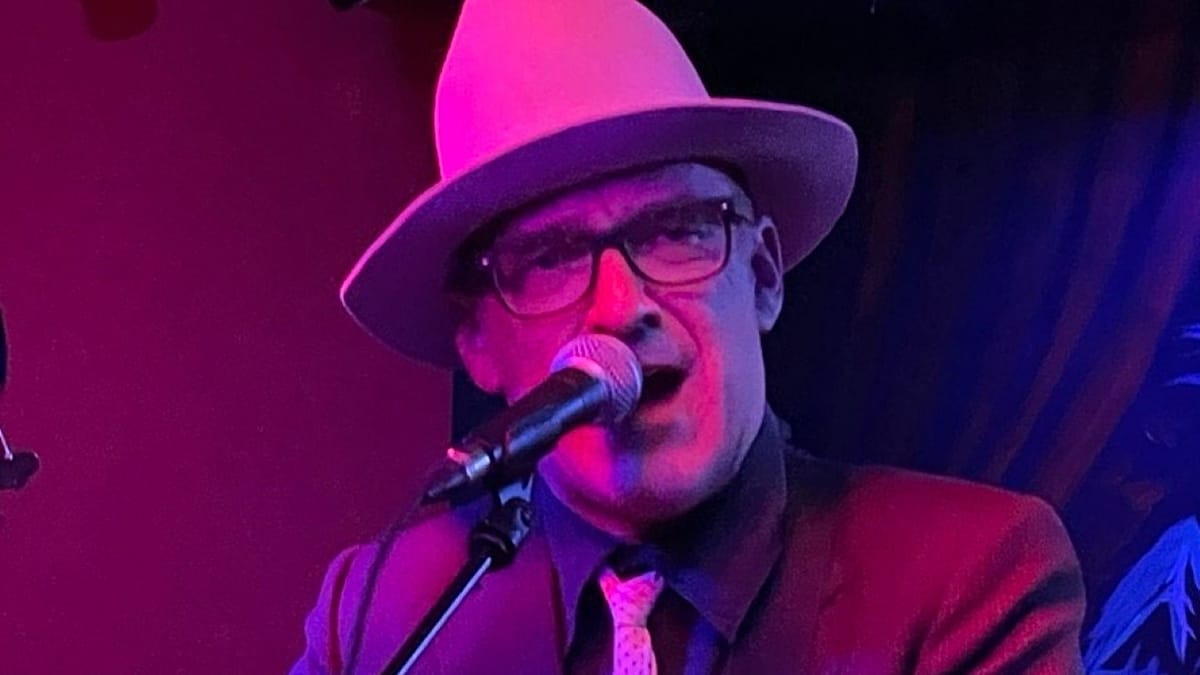
Víctor Coyote, the Spanish artist whose restless creativity defied any single label, died on Thursday in a cycling accident in Galicia. He was 67. Born Víctor María Aparicio Abundancia in Tui in 1958, he leaves behind a body of work that stretched from late-1970s punk to comics, music videos, and a solo music career that continued until his final years.
From psychobilly to Latin crossover
Coyote’s musical journey began in 1979 when he co-founded Los Coyotes with Fernando Gilabert. The band started in psychobilly but quickly absorbed Latin rhythms, becoming pioneers of a fusion that would later become mainstream in Spain. Their debut album, Mujer y sentimiento (1985), placed them firmly within the movida scene that thrived between Vigo and Madrid, where Coyote stood out as one of its most inventive figures.
In 1988, the band renamed itself Los Coyotes de Víctor Abundancia and released one of its most enduring tracks, Esta noche me voy a bailar, before disbanding in 1992. But the end of the band was not a pause—it was a shift in medium.
Comics, videos, and a Galician anthem
Even while making music, Coyote had been drawing. He contributed to the Madrid-based comics magazine Madriz between 1984 and 1987. After the band split, he devoted himself to directing music videos and producing graphic work. He directed the video for Los Rodríguez’s Milonga and for Carmiña Vacaloura, a song that became part of the soundtrack of Xabarín Club, a Galician-language children’s programme that left an indelible mark on a generation. His comic monographs, including Come yuca (1998), and his contributions to collective publications cemented his reputation in Spain’s graphic arts scene.
A solo career that refused to be pigeonholed
In 1995, Coyote returned to the studio as a solo artist with Lo bueno, dentro, disco, which included Jaguarundi, the theme for that year’s Vuelta a España. From then on, he continued to release music, draw, and make films, never confining himself to one discipline.
In a recent interview, he described his work as that of someone with “more eye than ear.” In 2024, while presenting his comic Si te falta calle, he explained that humour was an inevitable ingredient in his work, though never the only one: to reflect life, he said, always requires a bit of it.
Coyote remained active and visible in his final years. Last May, he gave an interview that traced his own trajectory, and he was a prominent figure at the Festival de Cans, where he revisited eight of his most memorable works. His sudden death brings an abrupt end to a career that, right up to the end, refused to stay still.
His ability to move between music, comics, and film made him a unique voice in Spanish culture, and his influence will be felt for years to come.