Volkswagen's management convenes on Thursday for a pivotal supervisory board meeting, as the German automotive giant pushes forward with plans that could eliminate 100,000 jobs and shutter multiple factories across Germany. The proposals, which unions have pledged to fight with full force, represent the most ambitious restructuring in the company's history and a bellwether for Europe's industrial competitiveness.
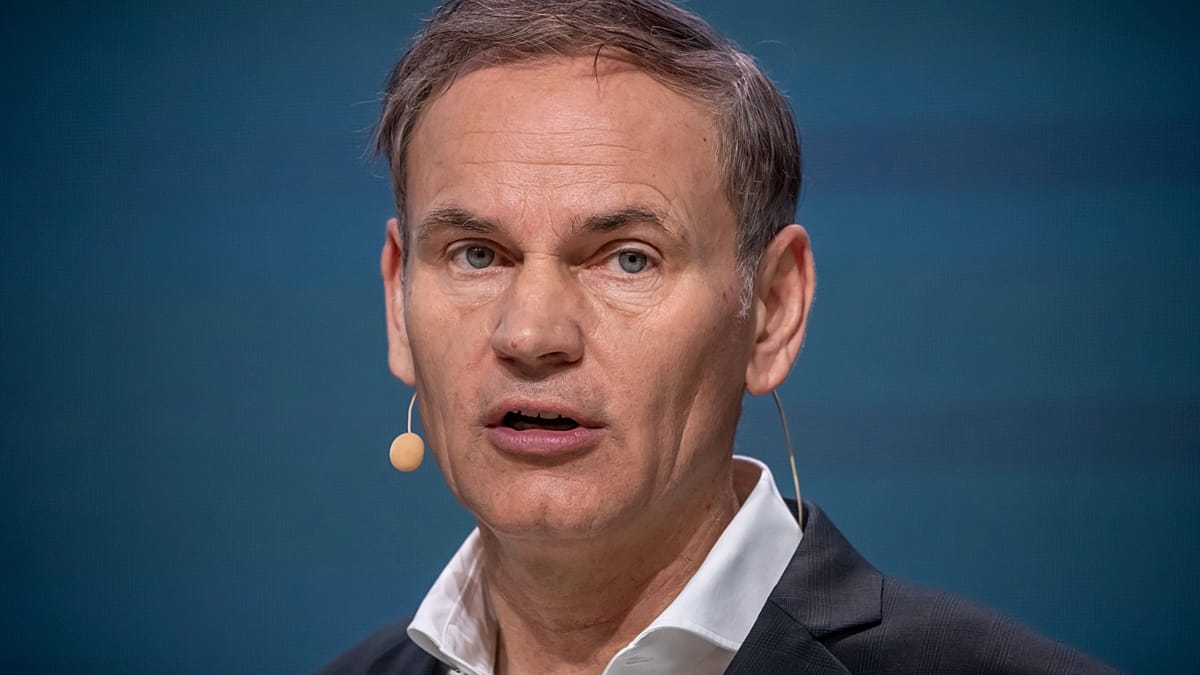
The meeting comes amid mounting pressure from US tariffs, shrinking margins on electric vehicles, and intensifying competition from Chinese manufacturers. Volkswagen's CEO Oliver Blume has warned that the company's traditional business model is no longer viable, telling shareholders earlier this year that the group must change or face decline.
What the Restructuring Entails
According to reports from Manager Magazin, the board will consider closing three Volkswagen plants in Germany—Hanover, Emden, and Zwickau—alongside Audi's factory in Neckarsulm. The cuts would reduce Volkswagen's global workforce of approximately 630,000 by roughly 15 percent, surpassing even General Motors' 50,000 job reductions during its 2009 bankruptcy.
Management is also reviewing the corporate structure, potentially spinning off the core Volkswagen brand and components business to simplify operations. Alternative proposals include shifting production of China-focused models to underused German sites, gradually phasing out production at certain plants, or repurposing factories for defence manufacturers seeking to expand capacity.
The company has already agreed with unions to cut 50,000 jobs in Germany by 2030, including 35,000 at the Volkswagen brand, and committed to avoiding plant closures until the end of the decade. The new proposals would break that pledge.
Union Resistance and Political Hurdles
Christiane Benner, head of the powerful IG Metall union, and Daniela Cavallo, chair of Volkswagen's works council, issued a joint statement vowing to stop the plans with all available means. IG Metall is organising protests at Volkswagen plants across Germany on Thursday, as workers demonstrate against the proposed cuts.
The supervisory board's composition complicates approval. Normally split evenly between shareholder and employee representatives, labour representatives currently hold a majority following the resignation of Susanne Wiegand, former head of defence company Renk. Additionally, the state of Lower Saxony, home to Volkswagen's Wolfsburg headquarters and six factories, holds a blocking minority stake, giving it significant influence over any restructuring.
The negotiations are expected to stretch over months, involving management, unions, and politicians. Thursday's meeting is unlikely to produce a final decision but will set the stage for what promises to be a contentious process.
Broader Industry Context
Volkswagen's struggles reflect wider challenges facing Germany's automotive sector. BMW, Mercedes-Benz, and their suppliers have also been cutting jobs and restructuring in response to weaker demand and rising competition. The IMF recently trimmed growth forecasts for Germany, highlighting the country's economic headwinds.
Higher US tariffs on cars and parts, introduced last year, are expected to cost Volkswagen €5 billion annually. Audi and Porsche are particularly exposed because neither operates factories in the United States. Meanwhile, Volkswagen has lost ground in China, where domestic manufacturers have pushed its vehicle deliveries to their lowest level since 2011.
"The cars being sold in China, some of them are the world's best," said Tu Le, founder of Sino Auto Insights. "The fall for the German automakers has been really abrupt."
Blume has argued that Volkswagen must improve the efficiency of its European factories, warning that Chinese manufacturers are building highly efficient plants on the continent. "The Chinese are coming to Europe, also building factories which are highly efficient," he said in April.
As Europe's largest carmaker navigates this critical juncture, the outcome will have implications not only for Volkswagen's 630,000 employees but for the broader European industrial landscape. The company's ability to adapt to shifting global dynamics will be closely watched by policymakers and competitors alike.