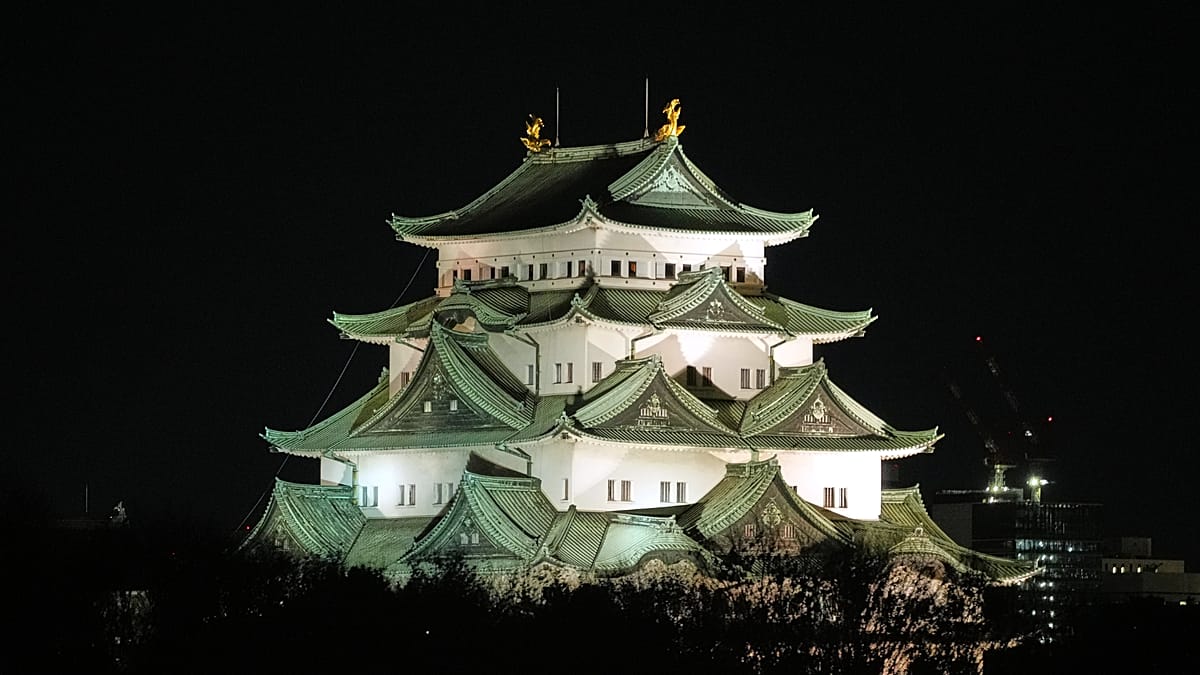
In a remarkable display of community spirit, more than 1,000 volunteers gathered in northern Japan to help move the historic Hirosaki Castle back to its original site. The 400-year-old keep, located in Aomori Prefecture, had been temporarily relocated a decade ago to undergo extensive restoration work. On a crisp weekend morning, teams of residents, students, and history enthusiasts pulled on ropes to guide the massive wooden structure along rails back to its foundations.
A decade of careful restoration
The castle's keep, a designated Important Cultural Property, was dismantled in 2014 to address structural issues and replace aging materials. The renovation aimed to preserve the building's original character while ensuring its stability for future generations. Over the years, craftsmen used traditional techniques and locally sourced timber to restore the structure, a process that required patience and precision.
The move itself was a logistical feat. The keep, weighing several hundred tonnes, was placed on a temporary platform and slowly winched along a purpose-built track. Volunteers, many wearing matching headbands, pulled on long ropes in unison, guided by coordinators with whistles and hand signals. The operation took several hours, with the structure inching forward at a pace of a few metres per minute.
Community pride and cultural preservation
For many participants, the event was more than a logistical exercise. It was a chance to connect with their region's heritage. "This castle is part of our identity," said one volunteer, a local shopkeeper who had brought her children to help. "Seeing it move back home gives us a sense of pride and continuity."
The castle, originally built in 1611, has survived fires, wars, and earthquakes. Its iconic white walls and elegant rooflines are a symbol of Hirosaki, a city known for its cherry blossoms and historic streets. The restoration project has been closely watched by heritage experts across Japan and beyond, as it demonstrates how traditional building methods can be preserved and applied in modern conservation.
The successful relocation is a testament to the dedication of the local community and the craftsmen who spent years on the restoration. It also underscores a broader trend in Japan of involving citizens in cultural preservation, a model that resonates with similar efforts in Europe, where historic buildings often rely on public support and volunteer labour.
As the castle settles back onto its original stone base, the city of Hirosaki is preparing to welcome visitors who will once again admire its beauty. The keep is expected to reopen to the public later this year, after final touches are completed. For now, the volunteers who pulled it home can take satisfaction in having played a part in a historic moment that will be remembered for generations.
This event echoes the spirit of heritage conservation seen across Europe, where interactive maps of castles highlight the continent's own rich architectural legacy. While the methods may differ, the goal is the same: to keep history alive for future generations.
For those inspired by such community-driven projects, the story of Hirosaki Castle serves as a reminder that preserving the past often requires collective effort. As one observer noted, "It's not just about moving a building; it's about moving people's hearts."