For travellers who prefer turrets to towers of glass, a new online tool offers a comprehensive guide to the world's fortified heritage. Castlemap, a free interactive atlas, plots more than 7,700 castles, fortresses, palaces, and ruins across 141 countries, drawing on open-source data from Wikidata to provide coordinates, photographs, and concise histories for each site.
The platform's founder, known on X as @Flightmussy, describes the collection as curated rather than exhaustive. Every entry must meet three criteria: a photograph, precise coordinates, and a Wikipedia article. The result is a multilingual mosaic, with sources in at least 25 languages, encompassing German Burgen, French châteaux, and Italian castelli.
Europe's castle country
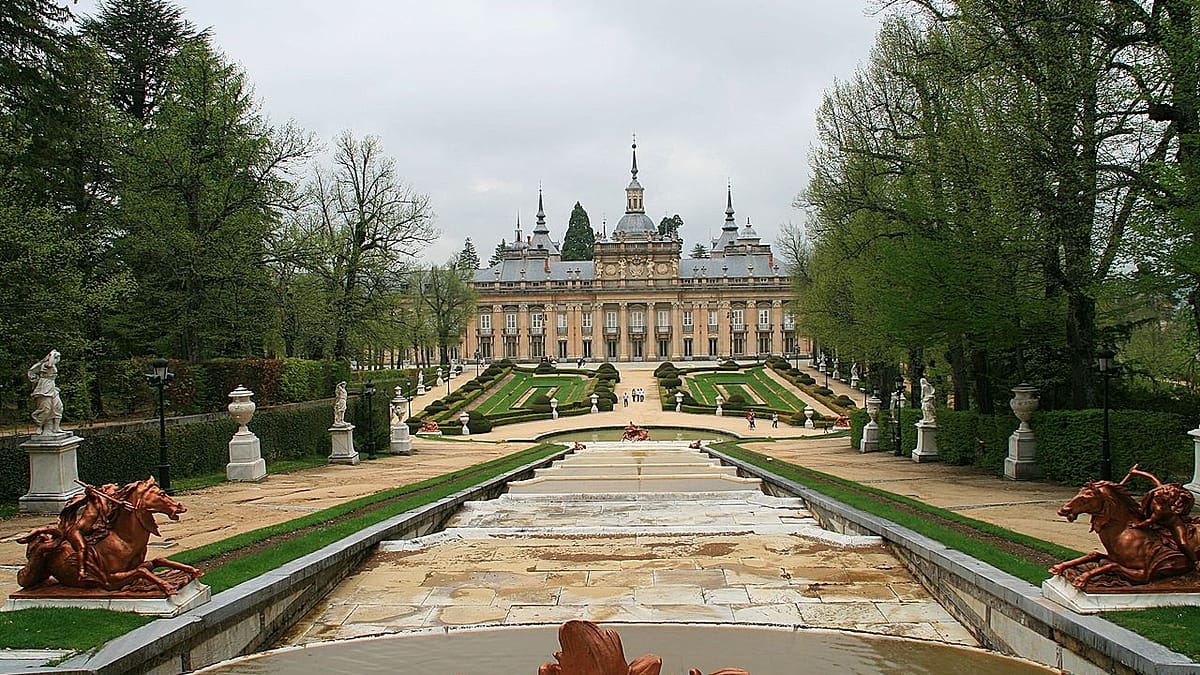
Unsurprisingly, Europe dominates the map. Nine of the ten countries with the most listed landmarks are on the continent, with Japan the sole exception in seventh place. While the UK, France, and Germany often spring to mind as castle heartlands, it is Spain that wears the crown. With 600 entries, Spain leads by a wide margin, including 383 castles, 77 fortresses, 65 palaces, and 75 ruins spanning over 37 centuries.
Within Spain, the region of Valencia boasts the densest cluster—73 landmarks within a 100-kilometre radius—followed by Madrid (59) and Alicante (57). For those planning a castle-hopping itinerary, the map's filtering tools make it easy to pinpoint concentrations of historic sites.
Beyond the map: CastleGuessr
Castlemap also offers a playful way to test your knowledge. The CastleGuessr feature presents a random photograph of a castle and challenges you to place it on the map. Scores are awarded based on distance, with a perfect guess earning 5,000 points. Each entry includes details on the century of construction, heritage status, and nearby castles, turning the game into a learning experience.
For those inspired to explore in person, the map can serve as a starting point for a European road trip. Consider pairing a visit to Spain's Hungarian countryside castles with a stop at the Gormaz fortress in Soria, which recently drew thousands to a solar eclipse. Or, if you're drawn to the Adriatic, note that Croatia's coast—though currently battling wildfires—is dotted with medieval fortifications.
The most famous castles
While Spain leads in quantity, the title of most famous castle goes to France. Castlemap's ranking, based on Wikipedia editions, sister projects, and pageview data, places the Palace of Versailles at the top, followed by the Acropolis of Athens and China's Forbidden City. Spain's Alhambra takes fourth, with Germany's Neuschwanstein Castle in fifth. The UK claims four spots in the top ten, including Buckingham Palace, the Tower of London, Windsor Castle, and Hadrian's Wall, while the Bastille rounds out the list.
Whether you're a history buff or a casual traveller, Castlemap offers a rich, interactive way to explore Europe's architectural legacy. With a few clicks, you can trace the continent's defensive and royal past, from the Loire Valley's Renaissance châteaux to the Baltic's brick Gothic fortresses.